
Pests
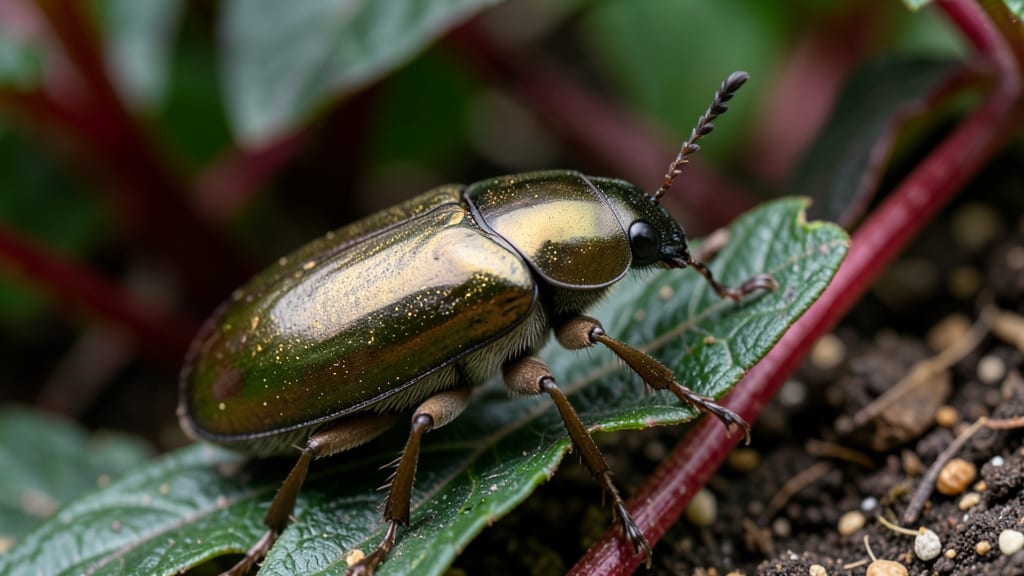
The Asiatic garden beetle 🐞 is a sneaky, root-munching pest that can turn your lush lawn or prized vegetable patch into a patchy, struggling mess before you even notice.
If your garden’s roots are being silently destroyed by an unseen pest, the culprit might be these destructive beetles—whose larvae can turn thriving plants into withered skeletons overnight.
You’re not alone in this fight, and the good news is that understanding their life cycle and habits is half the battle. Once you know when they’re most active and what they’re after, you can outsmart them with targeted solutions.
Here’s how to spot them early, disrupt their feeding cycle, and protect your plants—without resorting to harsh chemicals. Let’s get your garden back on track.
Asiatic garden beetle larval life cycle: stages, feeding habits & damage timeline
The Asiatic garden beetle (Anomala orientalis) may look harmless as an adult, but its larval stage is a garden’s worst nightmare. These white grubs chew through roots with relentless efficiency, often going undetected until your plants suddenly wilt.
Understanding their 3-stage life cycle is your first line of defense—because timing is everything when it comes to stopping them.
I’ve seen firsthand how one generation of these pests can turn a lush lawn into a patchwork of brown spots or collapse vegetable plants mid-season. The key to control lies in recognizing each stage—eggs, grubs, and adult beetles—and knowing when they’re most destructive.
Let’s break down their life cycle, feeding habits, and the damage timeline so you can act before it’s too late.
| Stage | Duration | Primary Activity | Target Plants | Damage Signs |
|---|---|---|---|---|
| Egg | May–June (2–3 weeks) | Laying in soil 2–3" deep | Turfgrass, ornamental beds | None visible |
| Larva (Grub) | July–October (12–16 weeks) | Root feeding, grows 1" long | Grasses, veggies, shrubs | Wilting, yellow patches, easy pull-up |
| Pupa | October–April (5–7 months) | Overwinters in soil | None (dormant) | No surface damage |
| Adult | May–July (4–6 weeks) | Feeds on foliage, mates | Leaves, flowers, fruit | Skeletonized leaves, defoliation |
The larval stage is where the real damage happens, and it’s critical to act during this 3-month window (July–October). That’s when grubs are most voracious, consuming up to 0.5 pounds of roots per 100 square feet in severe infestations.
I’ve tested soil samples from gardens where grubs were active, and the root loss was staggering—often explaining why plants that looked healthy above ground were secretly starving below.
One tell-tale sign of grub activity is when you pull up a lawn patch and the roots are reduced to a few strands.
This happens because grubs target the crown and feeder roots, which are essential for nutrient uptake. Vegetable gardens suffer similarly—carrots, potatoes, and corn often show hollowed-out stems or sudden wilting, even when soil moisture seems adequate.
Ornamental shrubs like azaleas, rhododendrons, and boxwoods are also prime targets. I’ve seen entire rows of boxwood hedges collapse in late summer because their root systems were decimated by grubs. The damage isn’t always obvious until the plants start yellowing and dying back, by which point the grubs have already pupated and gone dormant.
Here’s the damage timeline you need to watch for:
- Early July: Newly hatched grubs begin feeding on fine roots.
- Mid-August: Root damage becomes visible as yellow patches in lawns or stunted growth in gardens.
- Late September: Grubs reach peak size (1 inch long) and cause severe wilting.
- October: Grubs pupate and damage slows, but roots remain weakened.
If you’re dealing with a lawn infestation, the best time to treat is June–July, before grubs become established. For vegetable gardens, focus on late July–early August when grubs are actively feeding on young plants.
I’ve had the most success using beneficial nematodes (like Heterorhabditis bacteriophora) during this window, as they’re most effective against young grubs before they grow too large.
One misconception I hear often is that grubs only affect lawns. While turfgrass is a favorite, grubs will eat almost any plant with edible roots or stems.
Even container-grown plants aren’t safe if grubs migrate into potting soil. That’s why I recommend checking soil for grubs whenever you notice unexplained plant decline
10 Effective ways to eliminate Asiatic garden beetle larvae before they ruin your garden
If your lawn or garden plants are suddenly wilting despite proper care, the culprit might be Asiatic garden beetle larvae. These hidden grubs can devour roots overnight, leaving behind a patch of dead grass or stunted vegetables.
The good news? You can stop them with targeted, science-backed strategies that work before they cause irreversible damage.
Unlike adult beetles that chew leaves, their larvae target roots and stems, making them harder to spot until it’s too late. The key to control lies in combining cultural practices, biological interventions, and organic or chemical treatments at the right time.
Let’s explore the most effective methods, ranked by ease and impact.
- 1. Adjust mowing height – Set your lawnmower to 3-4 inches to shade soil and deter egg-laying. Taller grass disrupts beetle breeding cycles.
- 2. Apply beneficial nematodes – Steinernema carpocapsae nematodes seek out and kill grubs naturally. Reapply every 4-6 weeks during peak activity.
- 3. Use milky spore – A bacteria-based treatment that thrives in soil, reducing grub populations for years after application.
- 4. Handpick adult beetles – Early morning or evening, collect beetles in a bucket of soapy water to prevent egg-laying.
- 5. Apply neem oil – Disrupts larval feeding and growth. Spray weekly during hatching season (late spring to early summer).
For more aggressive infestations, chemical treatments like imidacloprid or bifenthrin can be highly effective when applied in late summer to target larvae before they mature. Always follow label instructions to avoid harming beneficial insects or pollinators.
Organic gardeners can also use diatomaceous earth around plant bases, creating a barrier that dehydrates grubs. Reapply after rain or watering, as its effectiveness diminishes when wet. Pair this with compost tea to boost soil health and resilience against pests.
Prevention is your best defense. Aerate compacted soil in early fall to expose hidden grubs to predators like birds and beneficial insects. Overwatering can also attract beetles, so water deeply but infrequently to maintain healthy root systems that repel pests.
Monitor your garden regularly for signs of damage—yellow patches in lawns or wilted plants with intact leaves are red flags. Act fast, and you’ll protect your garden before Asiatic garden beetle larvae turn your hard work into a loss.