Planting
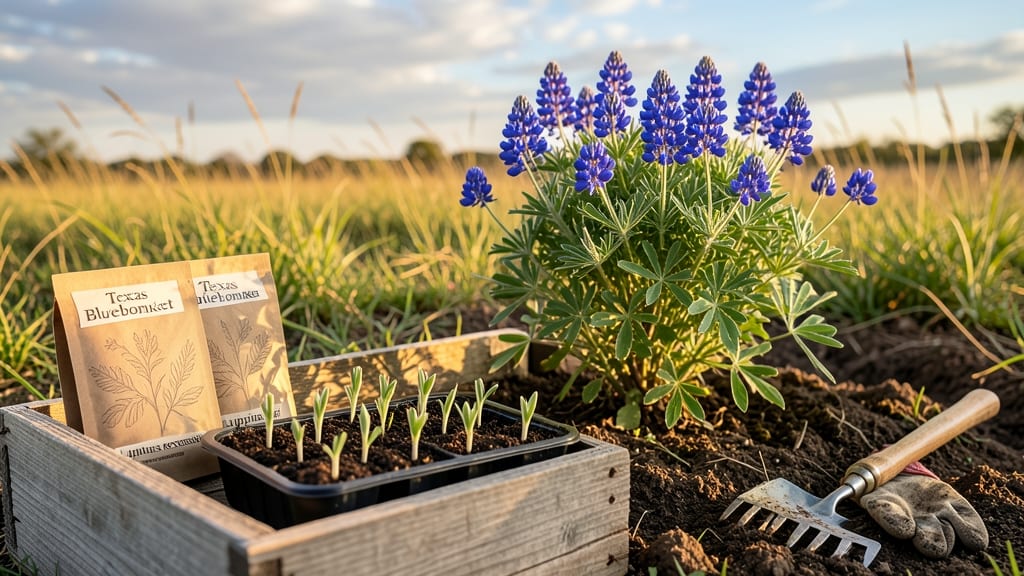
Plant your Texas spring garden after the last frost date—late February to April in North Texas, or as early as January in South Texas—to guarantee thriving veggies and flowers instead of frost-killed dreams.
Timing your Texas spring garden correctly means the difference between lush harvests and frost-killed seedlings—so knowing your region’s last frost date is non-negotiable.
North Texas gardeners wait until mid-March in Zone 8a, while South Texas growers can start as early as January in Zone 10a.
The key is matching your plants to these windows: cool-season crops like lettuce and peas need those early starts, while tomatoes and peppers can wait until the soil warms.
Below, I break down the exact frost dates by region, the best crops for each zone, and how to stretch your planting season with simple tricks—so you avoid the heartbreak of a wasted season.
Texas last frost dates by region: exact planting windows for spring vegetables
Timing your Texas spring garden correctly means the difference between lush harvests and frost-killed seedlings. The last frost date varies dramatically across Texas—from February 15 in North Texas to as early as January 1 in South Texas.
These dates mark the safe window to plant cool-season vegetables like lettuce and peas without risking damage. Missing this window can mean stunted growth or total crop failure, so let’s break down your exact planting timeline by region.
Texas spans USDA hardiness zones 8a through 10a, creating microclimates with wildly different frost risks. North Texas (Zones 8a-8b) faces later frosts, while South Texas (Zones 9a-10a) often enjoys frost-free winters. Even a 24-hour freeze can devastate tender seedlings, so knowing your local last frost date is critical.
Below, I’ve mapped out the exact windows for each region, plus how to adjust for late frosts or early heatwaves.
Pro Tip: Always check the National Weather Service’s local frost forecasts 1-2 weeks before planting—unpredictable weather can shift dates by 2 weeks or more. For example, a late freeze in March 2021 wiped out gardens across Central Texas, proving that even experienced gardeners need backup plans.
| Region | USDA Zone | Avg. Last Frost Date | Safe Planting Window | Key Crops to Start |
|---|---|---|---|---|
| North Texas | 8a-8b | Feb 15–March 1 | March 1–April 15 | Lettuce, Spinach, Peas, Broccoli, Cabbage |
| Central Texas | 8b-9a | Feb 1–March 15 | Feb 15–April 1 | Kale, Radishes, Carrots, Onions, Swiss Chard |
| South Texas | 9a-10a | Jan 15–Feb 15 | Jan 30–March 30 | Green Beans, Collards, Turnips, Lettuce, Herbs |
| East Texas | 8a-8b | Feb 20–March 10 | March 10–April 10 | Peas, Spinach, Broccoli, Brussels Sprouts |
| West Texas | 8a-8b | Feb 28–March 15 | March 20–April 30 | Radishes, Lettuce, Arugula, Mustard Greens |
*Dates are averages—always confirm with local weather reports before planting!
If you’re in North Texas (Zones 8a-8b), wait until March 1 to plant frost-sensitive crops like lettuce or spinach. The risk of late frosts lingers until mid-March, so I recommend starting seeds indoors in February for a head start.
For Central Texas (Zones 8b-9a), you can push planting to February 15, but keep row covers handy for unexpected cold snaps—2023’s late-March freeze caught many gardeners off guard.
Gardeners in South Texas (Zones 9a-10a) have the luxury of planting as early as January 30, but watch for early heatwaves. Tomatoes and peppers thrive in this region, but they need consistent warmth—so avoid planting them before March 1, even if the frost risk is low.
I’ve seen tomato seedlings bolt (flower prematurely) when planted too
Best spring vegetables to plant in Texas and their ideal planting times
Texas gardeners know timing is everything—plant too early, and a late frost will wipe out your seedlings. Too late, and your warm-season crops struggle in the heat. The key is balancing cold-hardy and warm-season starters with your region’s last frost dates.
For North Texas (Zones 8a-8b), aim for late February to early April, while Central/South Texas (Zones 9a-10a) can start as early as January.
Start with cool-season crops like kale, peas, and spinach—they thrive in 50–65°F soil and can handle light frosts. These are your spring garden anchors, giving you early harvests before summer heat sets in.
Meanwhile, warm-season crops like tomatoes, peppers, and okra need 60–85°F soil and wait until after your last frost to avoid bolting or poor germination.
| Vegetable | Type | Planting Time (North TX) | Planting Time (Central/South TX) | Sun Needs | Days to Harvest |
|---|---|---|---|---|---|
| Kale | Cool-season | Feb 15–March 15 | Jan 1–Feb 15 | Full sun to partial shade | 30–60 days |
| Peas | Cool-season | Feb 20–March 30 | Jan 15–Feb 28 | Partial shade | 50–70 days |
| Tomatoes | Warm-season | March 15–April 15 | Feb 15–March 30 | Full sun | 60–85 days |
| Peppers | Warm-season | March 20–April 30 | Feb 20–March 15 | Full sun | 70–90 days |
| Okra | Warm-season | April 1–May 1 | March 1–April 15 | Full sun | 50–60 days |
| Green Beans | Warm-season | March 15–April 15 | Feb 15–March 30 | Full sun | 50–60 days |
For cool-season crops, I recommend starting seeds indoors 4–6 weeks before your last frost date. This gives them a head start and reduces transplant shock. Peas and spinach can even handle light frosts down to 20°F, making them ideal for early spring.
Meanwhile, warm-season crops like tomatoes and peppers benefit from a 2–3 week head start indoors before transplanting after the last frost.
Don’t forget succession planting! For bush beans or lettuce, sow seeds every 2–3 weeks to ensure a continuous harvest. This works especially well in South Texas (Zones 9a-10a), where you can extend planting into early April without fear of frost.
Just monitor your local weather forecasts—a late cold snap can still sneak in, even in warmer zones.
Pro tip: Use row covers or cold frames to protect tender seedlings if temperatures dip unexpectedly. This buys you 2–4 extra weeks of planting flexibility. Pair this with mulching to retain soil moisture, and your spring garden will thrive even as Texas heat ramps up.
Timing your spring garden in Texas isn’t just about dates—it’s about reading your microclimate. Watch for local frost warnings, adjust for elevations (higher areas frost earlier), and don’t hesitate to start small with a few test plants.
With the right schedule, you’ll enjoy homegrown harvests from March through summer! 🌱