Planting
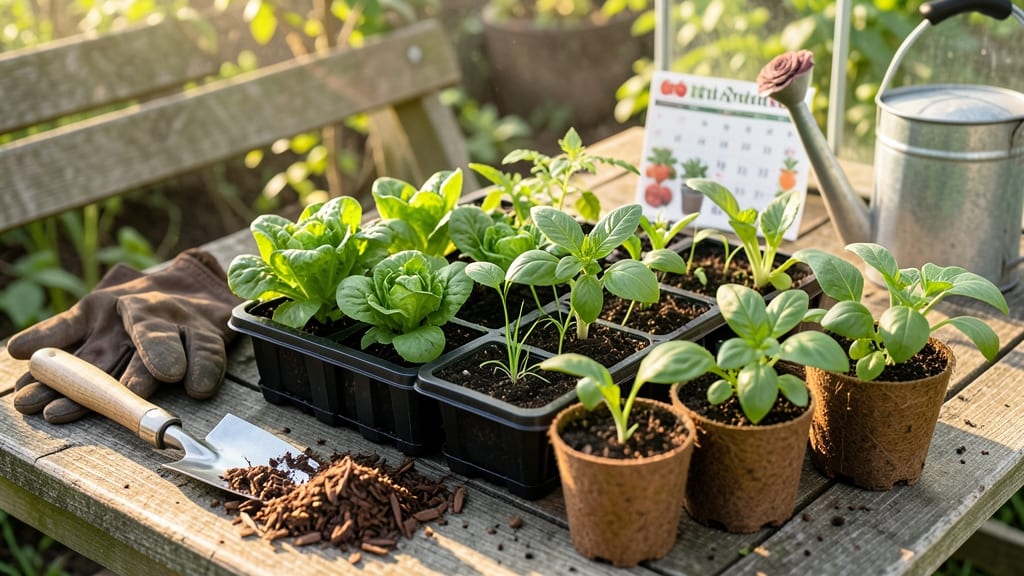
Planting a garden at the best time can turn a handful of seeds into a bountiful harvest—or leave you pulling weeds instead.
Timing your garden planting perfectly can mean the difference between a thriving harvest and wasted seeds—yet most gardeners overlook how climate zones dictate the exact best months to start planting.
Whether you're in a chilly Zone 6a or a balmy tropical region, getting the timing right is the key to avoiding bolted lettuce or stunted tomatoes.
Cool-season crops like peas and spinach thrive when planted 4-6 weeks before your last frost, while warm-season favorites like peppers and eggplants need soil that’s at least 60°F before they’ll even think about sprouting. Miss these windows, and you’re basically asking for disappointment.
Below, I’ll break down the ideal planting calendar by climate zone, share actionable tips for adjusting your schedule based on your region, and help you avoid the most common mistakes that turn hopeful gardeners into frustrated plant killers.


Climate Zone planting calendar: when to start seeds indoors vs outdoors
Getting your garden timing right means the difference between a bountiful harvest and wasted seeds. Your USDA hardiness zone determines when to start seeds indoors and when to plant outdoors.
For example, Zone 3 gardeners have a shorter window than Zone 10 growers, where frost is rare. Let’s break down the exact months for cool-season and warm-season crops by zone.
Cool-season crops like lettuce, spinach, and peas thrive in cooler temperatures, while warm-season crops like tomatoes, peppers, and cucumbers need warmth. Starting seeds indoors too early can lead to leggy seedlings, while planting outdoors too late risks frost damage.
Use this guide to align your planting schedule with your local climate.
Indoor seed-starting typically begins 6-8 weeks before the last frost date, while direct outdoor planting happens after the frost-free window opens. For instance, in Zone 5, you might start tomatoes indoors in March and transplant them outside in May. In Zone 9, you could plant warm-season crops outdoors as early as February.
Here’s a quick reference for your zone—adjust based on your local frost dates, which can vary by 1-2 weeks even within the same zone.
| Zone | Last Frost Date | Indoor Start (Cool-Season) | Outdoor Plant (Cool-Season) | Indoor Start (Warm-Season) | Outdoor Plant (Warm-Season) |
|---|---|---|---|---|---|
| 3-4 | May 15 | March 1 | April 15 | April 1 | June 1 |
| 5-6 | April 15 | February 15 | March 15 | March 1 | May 1 |
| 7-8 | March 15 | January 15 | February 15 | February 1 | April 1 |
| 9-10 | January 1 (rare) | October 1 (fall crops) | September 15 | January 1 | February 1 |
| 11 | None | Year-round | Year-round | Year-round | Year-round |
*Adjust dates based on your local frost data—check Almanac’s Frost Calculator.
How to adjust planting times for early/summer harvests by region
Getting your planting schedule right means the difference between a bountiful summer harvest and bolting seedlings. In cold climates, like Zone 3-5, early spring planting requires protective measures, while hot zones (Zone 8-11) demand shade and succession planting to avoid heat stress.
Let’s break down region-specific strategies to maximize your growing season.
For gardeners in northern states like Minnesota or Maine, extending the season starts with cold frames or row covers. These tools can push your spinach or kale harvest by 3-4 weeks by trapping heat.
In contrast, southern gardeners in Texas or Florida face the opposite challenge—bolting lettuce or heat-sensitive basil—so shade cloth and staggered plantings become essential.
- Use cold frames in Zone 4-6 to start cool-season crops like peas 4-6 weeks before last frost.
- Deploy row covers over broccoli or cabbage in Zone 3 to protect from late frosts and extend harvests.
- In Zone 7-10, install shade cloth (30-50%) over leafy greens to prevent bolting during summer heat.
- Practice succession planting every 2-3 weeks in Zone 8-11 for bush beans or zucchini to ensure continuous harvests.
- For Zone 5-6, plant warm-season crops like tomatoes in biodegradable pots to transplant after soil warms to 60°F.
In Pacific Northwest states like Washington or Oregon, where cool summers prevail, focus on early maturing varieties and intercropping. Pair radishes (30-day harvest) with slow-growing carrots to optimize space.
Meanwhile, Midwest gardeners in Illinois or Ohio should prioritize hardy crops like kale or Swiss chard, which tolerate light frosts and thrive in 50-60°F soil.
For southern gardeners, the key is heat tolerance. Choose Okra or sweet potatoes, which thrive in 90°F+ temperatures, and plant them in July-August for fall harvests.
In Zone 10-11, like California’s Central Valley, you can grow year-round with minimal adjustments—just ensure consistent watering during dry spells.
Don’t forget soil temperature—it’s just as critical as air temperature. Use a soil thermometer to confirm 50°F for peas or 70°F for cucumbers before planting. In Zone 4, wait until May 15 for warm-season crops, while Zone 9 gardeners can plant tomatoes in March.
By tailoring your approach to your local climate and using these region-specific tricks, you’ll avoid common pitfalls like bolting greens or frost-damaged seedlings. Start small, experiment with one technique, and watch your harvests thrive all season long! 🌱