Blooming
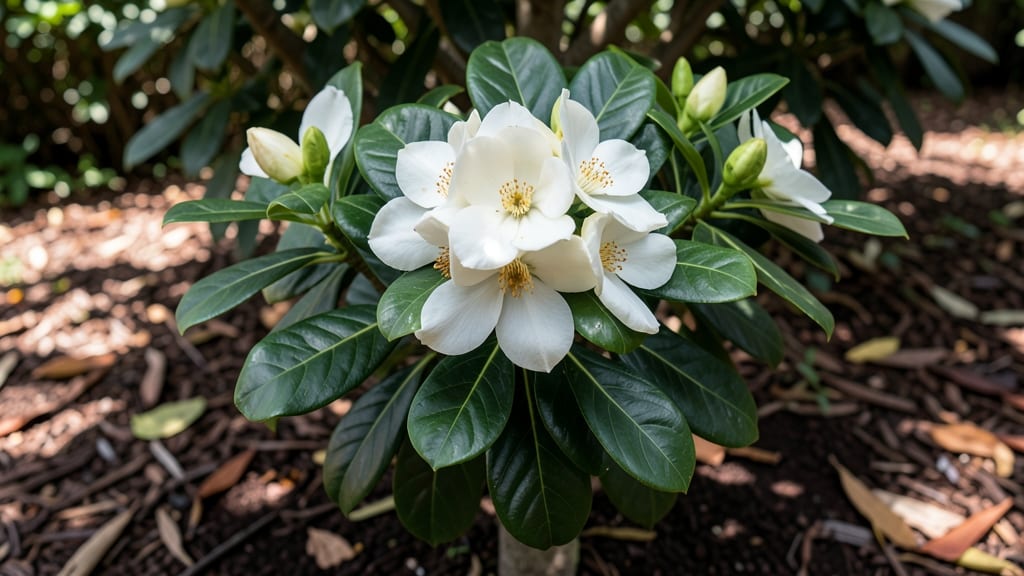
Gardenia flowers bloom in late spring through summer 🌸, with timing that shifts depending on your climate and the variety you’ve chosen.
If you’ve ever dreamed of filling your garden with intoxicating fragrance, timing is everything—and gardenias deliver their most stunning blooms at the perfect moment. But when exactly should you expect those creamy-white, jasmine-like flowers to burst open?
In USDA Zone 6 and cooler regions, gardenias typically flower between June and August, while warmer zones like Florida or California may see blooms as early as April or stretch into fall. The key lies in their love for warmth and consistent care.
Below, I’ll break down the month-by-month schedule, regional variations, and the simple care tricks to coax your gardenias into their longest, most fragrant bloom season yet.
Gardenia flowering seasons: month-by-month blooming schedule
Gardenias are famous for their creamy-white, intensely fragrant blooms that turn any garden into a scented sanctuary. But the timing of their flowers depends heavily on your climate zone and whether you live in a temperate or tropical region.
In USDA Zones 6-9, gardenias typically bloom from late spring to early fall, while tropical regions like Florida or Hawaii may enjoy blooms year-round.
Understanding your gardenia’s blooming schedule helps you anticipate fragrance-filled seasons and adjust care routines. For example, pruning in late fall encourages stronger spring blooms, while consistent moisture prevents bud drop during summer heatwaves. Let’s break down the month-by-month schedule for temperate and tropical climates so you can plan accordingly.
🌸 Key Insight: Gardenias are light-sensitive bloomers, meaning they respond to daylight length. In northern climates, blooms peak in summer, while southern regions may see year-round or staggered flowering.
| Month | Temperate Climates (US/UK) | Tropical Climates (Florida/Australia) | Care Tip |
|---|---|---|---|
| January | Dormant (US); Light blooms (UK) | Blooms possible (Hawaii) | Reduce watering; prune dead branches |
| February | Bud formation begins | Peak blooms (Florida) | Fertilize lightly with acidic mix |
| March | First blooms appear (USDA 7+) | Continuous blooms | Increase watering; monitor for pests |
| April | Full bloom (US); Late blooms (UK) | Heavy fragrance (Australia) | Deadhead spent flowers for more blooms |
| May | Peak blooming season | Staggered blooms | Apply slow-release fertilizer |
| June | Blooms taper off (US); Early blooms (UK) | Year-round blooms continue | Prune lightly to shape plant |
| July | Minimal blooms (heat stress) | Heavy blooms (Australia) | Provide afternoon shade in extreme heat |
| August | Late-season blooms (USDA 9) | Peak fragrance (Florida) | Mulch to retain moisture |
| September | Final blooms before dormancy | Blooms slow in cooler months | Reduce watering; prepare for winter |
| October-December | Dormant (US); Light blooms (UK) | Minimal blooms (tropical) | Prune and protect from frost |
In temperate climates, gardenias typically bloom from late spring to early fall, with the heaviest fragrance in May and June. However, UK gardeners may see a second, smaller bloom in late summer due to milder temperatures.
For example, in London (Zone 8)**, gardenias often bloom from June to September
How to extend gardenia blooming seasons with simple care tips
Gardenias naturally bloom in late spring to summer, but with the right care, you can coax them into producing year-round fragrance. The secret lies in mimicking their tropical origins—consistent moisture, balanced nutrients, and smart pruning.
Let’s break down the simple yet powerful techniques to keep your gardenias flowering like clockwork.
First, understand that gardenias are light-sensitive and water-dependent. They thrive in partial shade (morning sun, afternoon shade) and demand consistent moisture without soggy roots. By tweaking these factors, you can extend their blooming window by 3-6 months—even in cooler climates. Let’s dive into the actionable steps that work.
- Prune after flowering: Trim spent blooms and leggy stems to encourage new growth. Use clean, sharp shears and cut at a 45-degree angle just above a leaf node.
- Feed with acidic fertilizer: Gardenias love pH 5.0-6.0 soil. Use a 10-10-10 balanced fertilizer every 4-6 weeks during growing season (spring to summer).
- Water deeply in the morning: Aim for 1-2 cups per plant (250-500ml) to keep roots moist but avoid waterlogging. Morning watering reduces fungal risks.
- Provide partial shade: Protect from harsh afternoon sun, which can scorch leaves. A sheer curtain or east-facing window works well for potted plants.
- Mulch to retain moisture: Apply 2-3 inches of organic mulch (like pine bark) around the base to keep roots cool and hydrated.
- Deadhead regularly: Remove faded blooms to redirect energy to new flower production. This simple step can double your blooming season!
- Adjust care for seasons: In winter, reduce watering and fertilizing. In summer heat, increase watering frequency to daily.
One of the biggest mistakes gardeners make is over-pruning or using the wrong fertilizer.
Gardenias are sensitive to alkaline soil, so if your blooms fade early, test your soil’s pH. A cheap soil test kit from your garden center will reveal if you need to add sulfur or peat moss to lower pH. I’ve seen gardenias in Zone 7 gardens bloom from May to October just by adjusting these factors.
For potted gardenias, container size matters. Roots need room to spread, so upgrade to a 15-20 gallon pot if your plant is mature. Drainage holes are a must—gardenias hate soggy roots.
I repot mine every 2-3 years with fresh acidic potting mix, and it’s made a world of difference in bloom quantity.
Don’t forget the power of evening fragrance! Gardenias release their sweetest scent at dusk. To maximize this, place them near patio seating or walkways where you’ll enjoy the aroma.
A little strategic planting can turn your garden into a natural perfume factory—just follow these tips, and you’ll be rewarded with continuous blooms all season long.
With these simple yet effective care tips, your gardenias will thank you with longer, more abundant blooming seasons. Start with one technique this week—maybe pruning or adjusting your watering schedule—and watch the difference in just a few months. Happy gardening! 🌸