Vegetables
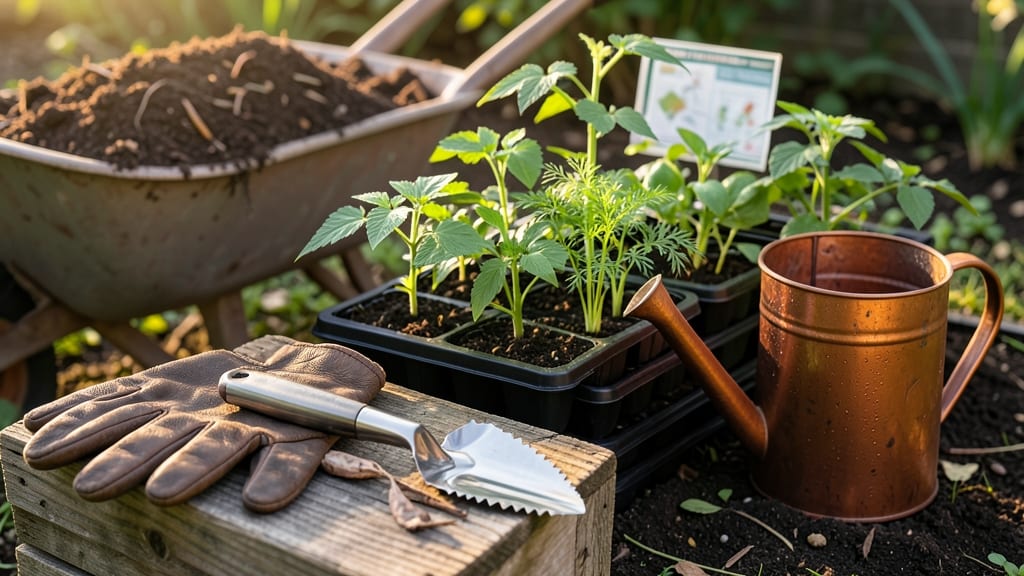
Planting a vegetable garden at the best time ensures your 🌱 seedlings thrive and your harvests arrive on schedule—but getting the timing wrong can mean wasted effort and stunted growth.
I’ve seen firsthand how a two-week shift in planting can turn a lush tomato harvest into a sad, underperforming vine. The right schedule depends on your USDA zone, frost dates, and whether you’re starting seeds indoors or sowing directly into the soil.
In this guide, I’ll break down the exact planting windows for your climate zone, from cool-season crops like spinach to heat-loving peppers, plus how to adjust for your local microclimate—whether you’re in a city heat pocket or a frost-prone valley.
You’ll walk away with a clear schedule, common mistakes to avoid, and the confidence to time your garden for peak productivity year after year.


Climate-Zone planting calendar: when to start seeds indoors vs. direct sowing outdoors
Getting your vegetable garden's timing right depends on your USDA hardiness zone and whether you're growing warm-season crops like tomatoes or cool-season crops like spinach. The key is knowing your last frost date and soil temperatures—because planting too early can shock seedlings, while waiting too long cuts harvests short.
For example, in Zone 5, your last frost typically falls around May 15, while in Zone 10, you might have no frost at all.
This means cool-season crops like lettuce can go in the ground as early as March in Zone 10 but need to wait until April in Zone 5 to avoid frost damage.
Indoor seed starting gives you a head start, especially for warm-season crops that need 60-90 days to mature. In Zone 6, I start tomatoes indoors 6-8 weeks before last frost (around March 15) to transplant them outdoors by May 1.
But in Zone 9, I might start them as late as February because the growing season is longer.
Here’s a quick reference for your zone—bookmark this for your next planting season!
For cool-season crops, I often direct sow outdoors as soon as the soil is workable—even if there’s still a chance of light frost. Spinach and peas, for instance, can handle 20-25°F temperatures, so I plant them in Zone 5 as early as March 15 under row covers if needed.
Warm-season crops like tomatoes and peppers are trickier because they won’t tolerate frost at all. That’s why I rely on indoor seed starting to give them a jumpstart.
In Zone 7, I start peppers indoors around February 15 so they’re ready to transplant by April 15, just as the soil warms to 60°F
How to adjust planting times for your local microclimate and crop type
Your local microclimate can shift planting times by 2-4 weeks compared to official climate zone averages. Urban areas often experience urban heat islands that delay frost, while high-altitude gardens may need earlier starts. Understanding these variations helps you maximize harvests and avoid common mistakes like bolting lettuce from heat stress.
For example, a frost-prone valley might need cold-hardy varieties planted 3 weeks earlier than nearby hills. Meanwhile, city gardens with concrete heat absorption can safely plant warm-season crops like tomatoes 10 days later than rural areas. Adjusting for these factors ensures your vegetable garden thrives year-round.
- Urban Heat Islands: Plant heat-tolerant varieties (e.g., Okra, Swiss Chard) 10-14 days later than zone averages. Use shade cloth for delicate greens.
- High-Altitude Gardens: Start cool-season crops (e.g., Peas, Spinach) 3-4 weeks earlier. Soil warms slower at elevations above 5,000 feet.
- Frost-Prone Valleys: Opt for fast-maturing varieties (e.g., Bush Beans, Radishes) and plant 2-3 weeks ahead of zone guidelines.
- Succession Planting: For continuous harvests, sow leafy greens every 2-3 weeks and beans every 3-4 weeks from spring to fall.
- Soil Temperature Checks: Use a soil thermometer—most warm-season crops need 60°F+ soil, while cool-season crops thrive at 40-50°F.
Succession planting is my secret weapon for extending harvests. For instance, I plant bush beans every 2 weeks from May through July, ensuring a steady supply of fresh pods. Similarly, lettuce and spinach thrive when sown every 3-4 weeks—this method keeps my garden productive even as seasons shift.
Don’t overlook local weather patterns. If your area experiences unpredictable frost, opt for transplanting seedlings instead of direct sowing. For example, I’ve had success with tomato seedlings planted in late May after verifying soil temperatures exceed 65°F for 7+ days.
For high-altitude gardens, prioritize early-maturing varieties like ‘Early Girl’ tomatoes or ‘Cherry Belle’ radishes. These crops handle cooler soils better and still deliver reliable harvests in shorter growing seasons. Pair them with row covers to extend the season by 2-3 weeks.
Finally, track your local frost dates for 3 years to refine your schedule. I keep a gardening journal noting when last frost occurs and adjust my planting calendar accordingly. This data-driven approach has helped me double my harvests by aligning with my microclimate’s quirks.