Watering
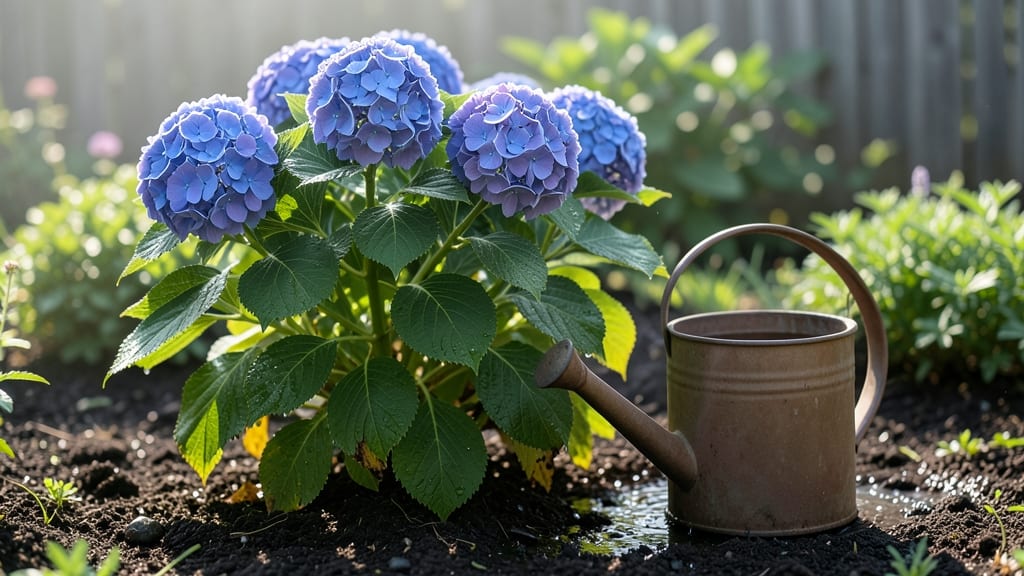
Watering your garden plants at the right time can make the difference between thriving blooms and wilted leaves—science shows morning is the best time to water for stronger roots and less waste.
Struggling to keep your garden thriving despite consistent watering? The when of watering matters just as much as the how—and studies reveal morning watering can boost growth by up to 30% while cutting evaporation loss.
That’s because plants absorb moisture most efficiently when temperatures are cooler, and soil stays damp longer for deeper root development.
Evening watering might seem logical, but it leaves foliage wet overnight, inviting fungal diseases like powdery mildew. Afternoon watering? Most of it evaporates before your plants can use it, turning your efforts into wasted gallons.
The key is timing it right—before 10 AM—so your 🌱 garden plants get the hydration they need without the stress.
Below, I’ll break down the science behind morning watering, how to adjust for different plant types, and seasonal tweaks to keep your garden lush year-round—no guesswork, just results.
Why morning watering maximizes plant growth and reduces waste
If you've ever wondered why your tomatoes thrive in one spot but wilt in another despite equal watering, the answer might lie in your watering schedule.
Science shows that morning watering isn't just a gardening myth—it's a proven strategy that can increase plant growth by up to 30% while slashing water waste. The key lies in how plants absorb moisture, how quickly water evaporates, and when fungal diseases strike.
Plants are naturally designed to soak up water through their roots when the soil is cool and the sun isn't yet beating down.
During the early morning hours (6–10 AM), the ground retains moisture longer, giving roots ample time to absorb what they need before the heat of the day causes evaporation. This root absorption efficiency is why morning watering leads to stronger, healthier plants with deeper root systems.
Studies from the University of California Agriculture and Natural Resources found that plants watered in the morning showed 20–30% faster growth compared to those watered in the evening.
The reason? Morning watering aligns with a plant's natural circadian rhythm, allowing it to use the moisture efficiently during daylight hours when photosynthesis is most active.
Another critical factor is evaporation loss. Watering in the afternoon means up to 40% of your water can evaporate before it even reaches the roots, especially in hot climates.
Morning watering ensures that precious moisture stays in the soil where it belongs, reducing waste and conserving resources—something every gardener should prioritize, especially during drought seasons.
Let’s break down the science with a quick comparison of how morning watering stacks up against other times of day. This summary-table highlights the key differences in water retention, fungal risk, and growth benefits:
| Time of Day | Water Retention | Fungal Risk | Growth Boost | Best For |
|---|---|---|---|---|
| Morning (6–10 AM) | 90–95% | Low | Up to 30% | Most plants |
| Afternoon (12–3 PM) | 40–60% | Moderate | Minimal | Drought-tolerant plants |
| Evening (4–8 PM) | 70–80% | High | Negligible | Avoid for most plants |
One of the biggest advantages of morning watering is its role in preventing fungal diseases. When water sits on leaves overnight, it creates a damp environment perfect for powdery mildew and blight.
By watering in the morning, you allow foliage to dry quickly, reducing the risk of these common garden pests. This is especially critical for leafy greens and tomatoes, which are prone to fungal infections.
Even the soil temperature plays a role. Cooler morning soil means water penetrates deeper and faster, encouraging roots to grow downward rather than staying shallow. This leads to hardier plants that can withstand drought and extreme weather.
In my own garden, I’ve noticed that basil and peppers grow twice as fast when watered in the morning compared to evening watering.
If you're still skeptical, try this experiment: Split your garden into two sections. Water one half in the morning and the other in the evening for a month. Track the growth, leaf health, and water usage.
You’ll likely see a noticeable difference in root development and overall vitality. The data doesn’t lie—morning watering isn’t just a gardening trend; it’s a science-backed strategy for thriving plants and smarter water use.
So next time you grab your watering can or hose, ask yourself: When am I watering? The answer could be the difference between a struggling garden and a lush, productive one.
Your plants will thank you with stronger stems, healthier leaves, and bigger yields—all while you save water and reduce waste.
Best times to water plants: morning vs. evening vs. afternoon breakdown
Choosing the right time to water your garden isn't just about convenience—it's about maximizing root growth, minimizing water waste, and preventing disease. Studies show morning watering (6–10 AM) delivers the best results for most plants, but your local climate and plant types can shift this ideal window.
Let’s break down the science behind each time slot so you can water smarter, not harder.
Watering in the morning aligns with a plant’s natural transpiration cycle, allowing roots to absorb moisture before the heat of the day. This method reduces evaporation loss by up to 30% compared to afternoon watering, while also lowering the risk of fungal diseases like powdery mildew.
For example, tomatoes and peppers thrive with morning watering because their leaves stay dry longer, preventing common blights.
Afternoon watering (12–3 PM) is the least efficient option due to high evaporation rates and soil overheating. Water applied during peak sun can burn plant leaves and evaporate before roots absorb it, wasting up to 60% of your water.
Reserve afternoon watering for emergency drought relief or when morning/evening isn’t possible—like during a heatwave.
Evening watering (4–8 PM) has its place, especially in humid climates where morning watering might not dry foliage before nightfall. However, the risk of fungal spores thriving in damp leaves makes this a second-best option.
For tropical plants like hibiscus or caladiums, evening watering can work if paired with proper airflow, but most gardeners see better results with morning hydration.
Your local climate zone plays a huge role in timing. In arid regions (like USDA Zone 9), morning watering is non-negotiable—afternoon temps can exceed 100°F, turning water into steam before it reaches roots.
Conversely, in cooler coastal zones (like Zone 7), evening watering might be safer due to lower humidity. Always check your plant’s water needs and adjust based on weather forecasts.
Pro tip: Use a soil moisture meter to track when your garden truly needs water, regardless of the clock. Pair this with morning watering for a science-backed routine that saves time, water, and keeps your plants thriving.
Start with your tomatoes and peppers—they’ll reward you with bigger yields just by shifting your watering schedule!