
Fertilization
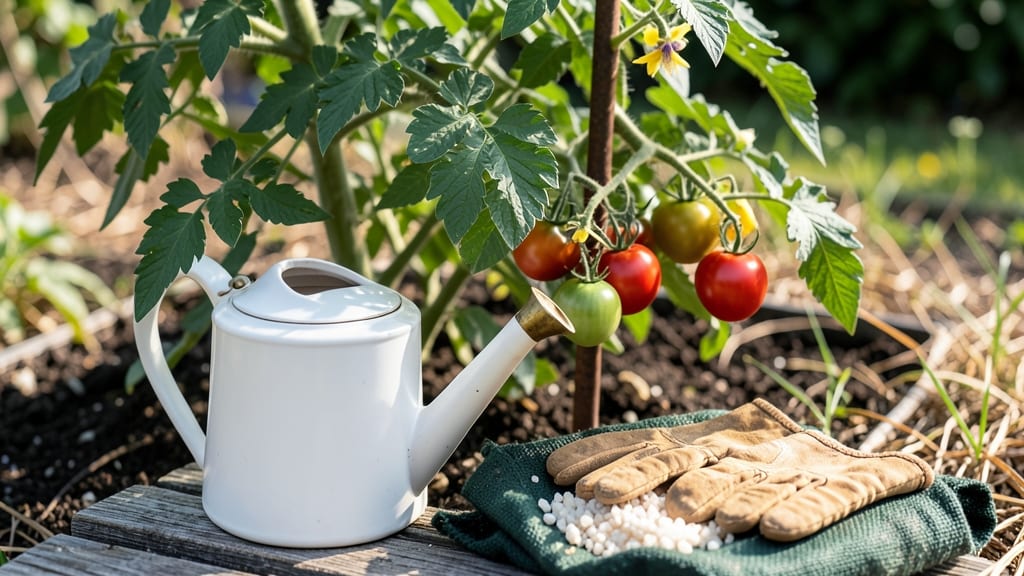
Garden tomatoes need calcium to grow strong and produce fruit without the dreaded blossom end rot.
If you’ve ever watched your 🍅 plants develop dark, sunken spots on the bottom of tomatoes—or seen weak stems that snap under the weight of fruit—you’re likely dealing with a calcium deficiency. This isn’t just an aesthetic issue; it directly impacts yield and quality, turning potential harvests into disappointment.
Calcium isn’t just about fixing problems after they appear. It’s the foundation for cell wall strength, root development, and even disease resistance in your tomato plants. Without enough of it, your hard work in planting and nurturing can go to waste.
In this guide, I’ll walk you through the 3 key signs of calcium deficiency, the best ways to boost calcium levels in your soil, and how to prevent future issues—so you can enjoy a bountiful, healthy harvest from July through September.
3 Clear signs your garden tomatoes need more calcium
If your tomato plants look healthy but produce blossom end rot or weak stems, calcium deficiency might be the culprit. This essential mineral isn’t just about strong cell walls—it’s critical for fruit development and plant structure.
Without enough calcium, your tomatoes won’t just struggle to grow; they’ll develop visible symptoms that scream for attention.
I’ve seen gardeners blame underwatering or pests for these issues, only to discover calcium was the real problem. The good news? Recognizing these signs early can save your harvest.
Let’s break down the three most obvious clues your tomatoes are begging for more calcium, so you can act fast before your yield suffers.
- 🍅 Blossom End Rot: Dark, sunken spots on fruit bottoms. Starts small but spreads quickly.
- 🌱 Weak, Brittle Stems: Stems snap easily or show cracking near joints.
- 🍃 Leaf Discoloration: Yellowing between veins (interveinal chlorosis) on new leaves.
Let’s start with the most heartbreaking symptom: blossom end rot. This is the classic calcium deficiency sign, where the bottom of your tomatoes turns brown and mushy.
It’s not a fungus or disease—it’s a nutritional failure. The plant can’t deliver calcium to developing fruit fast enough, especially during rapid growth phases like flowering and fruiting.
What makes this tricky? Blossom end rot often appears when conditions are perfect for growth—warm weather, plenty of water, and lush foliage. But if your soil lacks calcium, those tomatoes won’t get the building blocks they need.
I’ve had gardeners double their watering in panic, only to see the problem worsen. Watering actually dilutes calcium availability in the soil, making the issue worse.
Next, check your tomato stems. Healthy stems should be firm and flexible, but calcium-deficient plants develop weak, brittle stems that snap under their own weight. You might notice cracking near leaf nodes or stems that bend unnaturally.
This isn’t just a cosmetic issue—it means your plant can’t support its own fruit load, leading to broken branches and lost tomatoes.
Pay close attention to new growth on your tomato plants. Calcium deficiency often shows up as yellowing between leaf veins, while the veins themselves stay green. This interveinal chlorosis is a red flag because it indicates the plant can’t transport calcium to its youngest leaves.
Unlike nutrient deficiencies like nitrogen (which causes overall yellowing), calcium issues target specific areas first.
Here’s how to differentiate calcium deficiency from other problems. For example, blossom end rot can mimic fungal infections, but fungal spots are usually raised and fuzzy, while calcium-related rot is sunken and leathery.
Similarly, weak stems might look like aphid damage, but aphids leave sticky residue and distorted growth, not just brittleness.
If you spot these signs, don’t wait to act. Calcium moves slowly in plants, so symptoms often appear after the damage is already done. The good news? Fixing calcium deficiency is easier than you think.
Whether you use organic amendments like crushed eggshells or targeted calcium supplements, addressing the issue now can save your harvest and prevent future problems.
Remember, calcium isn’t just about fixing problems—it’s about preventing them. Healthy soil with balanced nutrients means your tomatoes will grow strong from the start. Next, we’ll cover the best calcium sources and how to apply them for maximum impact. Trust me, your future tomato harvests will thank you!
Best calcium sources and application methods for tomato plants
Tomatoes need calcium to develop strong cell walls and prevent common issues like blossom end rot. The good news? You can boost calcium levels using both organic and inorganic sources.
Organic options like crushed eggshells or lime are great for long-term soil health, while inorganic solutions like calcium nitrate provide quick results. Let’s explore the best methods and when to apply them for maximum effectiveness.
For soil applications, organic sources like eggshells or gypsum work slowly but improve soil structure over time. Inorganic options like calcium chloride or calcium nitrate dissolve quickly, making them ideal for immediate fixes.
Foliar sprays with calcium solutions are also effective, especially during flowering and fruiting stages when plants need extra support.
| Source | Type | Application Method | Best Time to Use |
|---|---|---|---|
| Crushed Eggshells | Organic | Soil amendment | Planting or early season |
| Gypsum | Inorganic | Soil application | Spring or early summer |
| Calcium Nitrate | Inorganic | Foliar spray or soil | Flowering/fruiting stage |
| Lime (Calcium Carbonate) | Organic | Soil amendment | Fall or early spring |
| Epsom Salt (Magnesium Sulfate) | Inorganic | Foliar spray or soil | Early season growth |
When applying calcium, timing is everything. For soil amendments, work them into the top 6 inches of soil before planting or during the early growing season.
If you notice blossom end rot developing, switch to foliar sprays with calcium chloride or calcium nitrate mixed at 1-2 tablespoons per gallon of water. Apply sprays in the morning to avoid fungal issues and ensure the leaves stay dry.
For organic gardeners, crushed eggshells are a fantastic DIY option. Simply bake and grind them into a fine powder, then sprinkle around your tomato plants. Mix them into the soil or use them as a mulch.
This method takes longer to release calcium but improves soil health over time. If you’re dealing with an urgent deficiency, combine organic and inorganic methods for faster results.
Remember, calcium absorption depends on proper soil pH (aim for 6.0–6.8) and consistent moisture levels. Overwatering or dry soil can lock out calcium, even if it’s present. Monitor your plants closely and adjust your approach based on their response.
With the right calcium sources and application methods, your tomatoes will grow stronger and produce healthier fruit all season long.
Don’t let calcium deficiency ruin your harvest—start boosting your soil today! 🌱