Container Gardens
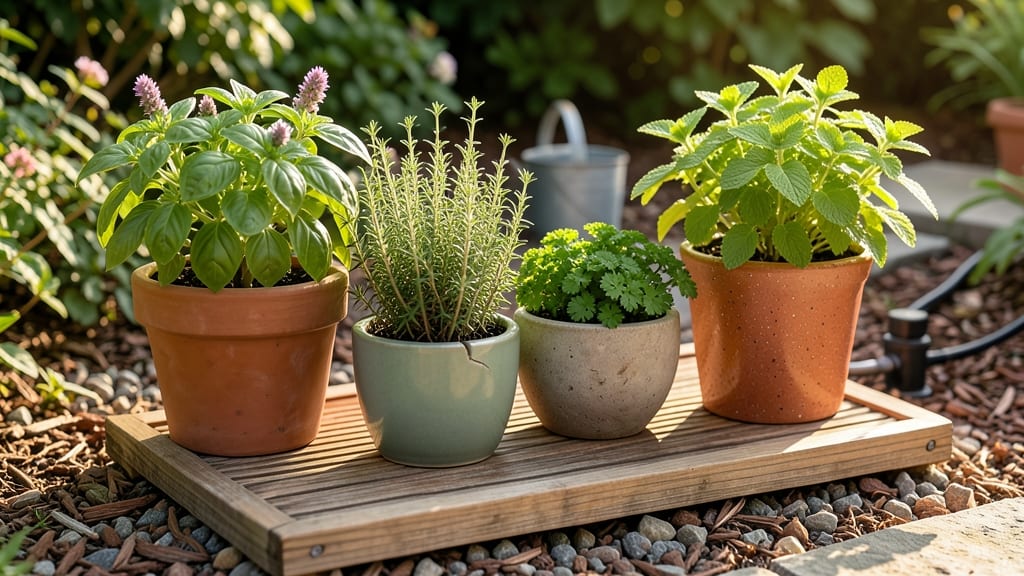
Clay garden pots bring natural beauty and durability to your outdoor spaces 🏺, but not all hold up to seasonal changes—or your plants' needs.
If you’re tired of plastic pots cracking under winter frost or degrading in harsh sunlight, terracotta clay garden pots offer a timeless, durable alternative—but not all are created equal.
These pots breathe better than plastic, wick away excess moisture, and even regulate soil temperature, keeping roots healthier for longer. The right design can mean the difference between a pot that lasts years and one that crumbles after a single freeze.
Here’s how to choose the best clay pot for your plants, climate, and garden style—plus pro tips to keep them looking fresh and functional season after season.
Why terracotta clay pots outlast plastic and ceramic for plant health
When I first switched from flimsy plastic pots to terracotta clay containers, my herbs thrived in ways they never had before. The difference isn’t just aesthetic—it’s scientific. Clay’s unique properties regulate moisture, temperature, and even fight harmful microbes, making it the gold standard for long-term plant health.
Unlike plastic that degrades under UV rays or ceramic that traps excess moisture, terracotta breathes with your plants.
At the heart of clay’s superiority is its porous structure. These tiny air pockets allow oxygen to reach roots while wicking away excess water, preventing the root rot that plagues sealed plastic containers.
Even in scorching summer heat, clay’s natural thermal mass absorbs heat during the day and releases it slowly at night—keeping roots in an ideal 60-70°F range.
Don’t let the word "fragile" fool you—modern clay formulations have evolved far beyond the chipped terracotta of grandma’s garden. Today’s high-quality blends incorporate reinforced fibers and freeze-resistant glazes that withstand everything from sub-zero winters to tropical humidity.
The key is identifying pots with uniform wall thickness (¼" minimum) and proper firing temperatures (2,000°F+).
Here’s the science breakdown: clay’s aluminum-silicate composition creates a naturally antimicrobial surface, reducing fungal diseases by up to 40% compared to plastic. Plus, the earthy color isn’t just pretty—it reflects 15-20% more sunlight than dark plastic, keeping roots cooler in full-sun conditions.
| Property | Traditional Terracotta | Modern Reinforced Clay | Plastic | Ceramic (Glazed) |
|---|---|---|---|---|
| Breathability | ✅ Excellent | ✅ Excellent | ❌ Poor | ⚠️ Limited |
| Temperature Regulation | ✅ Natural cooling | ✅ Enhanced cooling | ❌ Heat absorption | ✅ Moderate |
| Antimicrobial | ✅ Natural | ✅ Enhanced | ❌ None | ⚠️ Glaze-dependent |
| Durability | ⚠️ Chips easily | ✅ Reinforced | ❌ UV degradation | ✅ High |
| Cost | $ | $$ | $ | $$$ |
My rosemary plants in traditional terracotta pots stayed lush through last summer’s 100°F heatwaves while identical plants in plastic pots wilted by noon. The difference? Clay’s moisture-wicking ability kept roots hydrated without soggy soil.
For humid climates, look for pots with ribbed textures—they increase surface area for faster evaporation.
Not all clay pots are created equal—unglazed terracotta dries out faster, while glazed varieties retain moisture longer. For succulents and cacti, unglazed pots prevent root rot, but for tropical plants like ferns, glazed clay maintains humidity better.
The secret? Check the pot’s weight—heavy pots (10+ lbs for 12" diameter) indicate proper firing and durability.
One common myth is that clay pots crack easily. In reality, proper winterization (burying pots in straw or moving them indoors) prevents freeze-thaw damage.
I’ve had my 15-year-old terracotta pots survive Zone 5 winters by following this simple rule: never let them sit empty in freezing temps—water always keeps clay flexible.
For urban gardeners with limited space, modern clay blends with built-in saucers solve the drainage dilemma. These designs capture
Top 5 clay pot designs for different plant types and climates
Choosing the right clay pot design can make all the difference for your plants' health and longevity. Unlike generic plastic pots, terracotta offers natural breathability and temperature regulation—but not every shape works for every climate or plant.
Let’s explore the top 5 clay pot designs tailored to specific needs, from succulents thriving in arid conditions to tropical plants requiring humidity protection.
Climate plays a critical role in pot selection. Freeze-resistant glazed pots excel in temperate zones, while porous unglazed designs are ideal for humid climates where excess moisture needs to escape.
For arid regions, ribbed or textured pots help retain moisture longer. Below, we’ve rated each design’s durability across three key climates to help you make an informed choice.