
Companion Plants
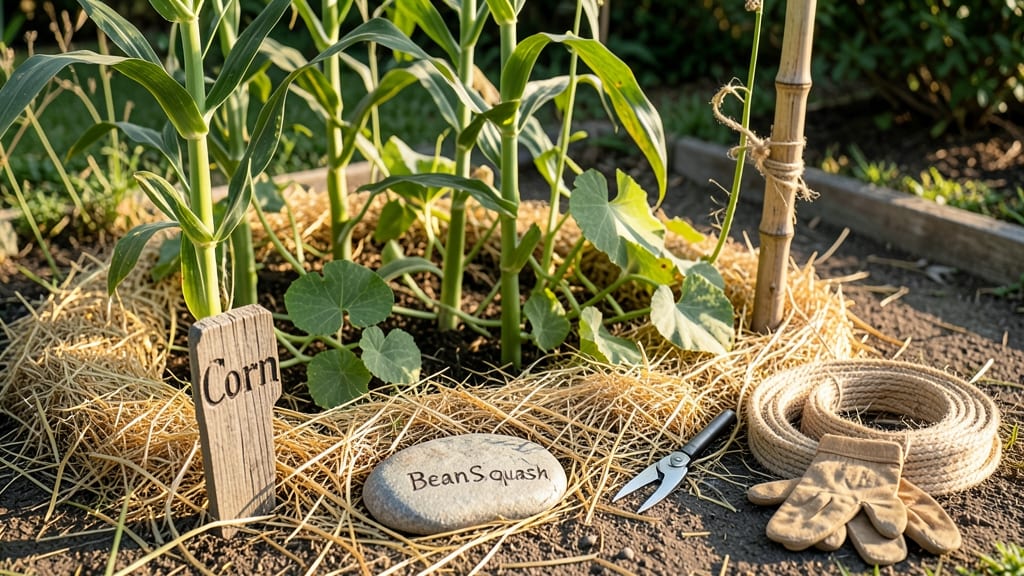
A companion garden layout transforms your plot into a self-regulating ecosystem where plants support each other instead of competing.
Struggling with pests, poor yields, or wasted space in your garden? Companion planting isn’t just an old gardener’s trick—it’s a science-backed strategy to create thriving, self-sustaining beds that repel insects, boost growth, and maximize every square foot.
Imagine tomatoes thriving next to basil, marigolds crowding out nematodes, or herbs that improve the flavor of nearby veggies. This isn’t just theory; it’s a practical way to design beds that work harder for you with less effort.
In this guide, you’ll learn the key principles of pairing plants, how to map your garden for optimal sunlight and spacing, and avoid common mistakes that sabotage even the best intentions.
Science-backed companion planting combinations for pest control and growth
Companion planting transforms your garden into a self-regulating ecosystem where plants work together to repel pests and enhance growth. The secret lies in their chemical interactions—some plants release scents that mask crops from pests, while others attract beneficial insects or improve soil health.
For example, basil emits compounds that deter mosquitoes and thrips while boosting tomato flavor when planted nearby.
Marigolds are the superheroes of companion planting—their strong scent confuses pests like aphids and nematodes, and their bright blooms attract pollinators. Pair them with cucumbers, squash, or potatoes for a triple threat against garden pests.
The key is understanding root chemistry: some plants release allelopathic compounds that suppress weeds or harmful microbes.
Here’s how to leverage these pairings for a pest-free, high-yield garden:
| Plant Pairing | Pest Control Benefit | Growth Enhancement | Spacing (inches) |
|---|---|---|---|
| Tomatoes + Basil | Repels mosquitoes, thrips, and whiteflies | Enhances tomato flavor and yield | 12-18" |
| Carrots + Onions/Leeks | Deters carrot flies and aphids | Improves carrot growth and sweetness | 6-8" |
| Marigolds + Almost Everything | Confuses nematodes and repels aphids | Attracts pollinators and beneficial insects | 12-18" |
| Cucumbers + Nasturtiums | Traps aphids and cucumber beetles | Reduces powdery mildew risk | 10-12" |
| Corn + Beans + Squash | Beans fix nitrogen for corn; squash shades soil | Triple yield boost through mutual support | 12" apart (all three) |
The three sisters method—corn, beans, and squash—is a Native American tradition with science behind it. Corn provides structural support for beans to climb, while beans fix nitrogen in the soil, enriching the corn’s growth.
Squash sprawls beneath, suppressing weeds and retaining moisture. This closed-loop system reduces the need for synthetic fertilizers.
For herb gardens, pair rosemary and thyme with roses or fruit trees—their pine-scented oils deter pests like aphids and spider mites. Dill and fennel attract ladybugs and parasitic wasps, which prey on garden pests.
Even garlic and chives planted near allium-loving pests (like carrot flies) create a natural repellent barrier.
Root chemistry plays a critical role in these pairings. For instance, comfrey releases potassium-rich compounds that improve soil fertility, while chamomile secretes coumarin, a natural fungicide. These soil-enhancing plants should be placed at the edges of beds to maximize their benefits for neighboring crops.
When designing your companion garden layout, group plants by sunlight needs and water requirements first. For example, basil and lettuce thrive in partial shade, while tomatoes and peppers demand full sun.
Use tall plants (like sunflowers or corn) as living trellises for vining crops, saving space and improving airflow.
Avoid planting competing species together—like beans and onions (both in the Allium family) or tomatoes and potatoes (both Solanaceae, prone to the same diseases). Instead, use diverse families to break pest cycles and optimize space.
For instance, Brassicas (kale, cabbage) pair well with carrots and onions because they attract different pests.
To maximize pest control, interplant fragrant herbs like mint, lavender, or sage throughout your garden. Their aromatic oils create a natural confusion scent that masks the smell of vulnerable crops. Even petunias and marigolds planted between rows act as trap crops, luring pests away from your main harvest
Step-by-step guide to designing your own companion garden layout
A companion garden layout starts with a clear plan—one that balances sunlight needs, water requirements, and plant growth habits. Whether you have a 4x4-foot raised bed or a sprawling backyard, the key is grouping plants that support each other while avoiding competition.
I’ll walk you through my proven method, including how to map your beds and access free templates tailored to common garden sizes.
Before sketching, observe your garden’s sunlight patterns for at least a week. Note which areas get full sun (6+ hours), partial shade (3-6 hours)deep shade (<3 hours). This ensures you place sun-loving tomatoes near the south side of your bed and shade-tolerant lettuce under taller plants like corn.
My go-to rule: Tall plants (e.g., sunflowers, trellised cucumbers) go on the north side to avoid shading shorter companions.
Step-by-Step Companion Garden Layout
- 1 Sketch Your Garden Bed: Draw your space to scale (use graph paper or a free tool like Garden Planner). Mark north/south orientations and sunlight zones. For example, a 4x8-foot bed can fit 16 plants in a 2x2 grid if spaced 2 feet apart.
- 2 Group by Sunlight Needs: Cluster full-sun plants (tomatoes, peppers) together and partial-shade plants (spinach, kale) near the bed’s edges. Use marigolds as border plants—they deter pests and thrive in both sun and partial shade.
- 3 Plan Water Zones: Group plants with similar water needs. For instance, basil and lettuce (high moisture) should sit near a drip irrigation line, while rosemary and thyme (drought-tolerant) can go in a separate corner. Add mulch to retain moisture and reduce weeds.
- 4 Layer by Height: Place tall plants (e.g., sunflowers, pole beans) on the north side of your bed. Add medium-height plants (bush beans, zucchini) in the middle, and low-growing plants (strawberries, radishes) on the south or east side to catch sunlight.
- 5 Add Pest-Repelling Plants: Slip marigolds, nasturtiums, or basil between rows. These act as natural pest barriers while attracting beneficial insects like ladybugs and hoverflies. For example, plant basil near tomatoes to deter whiteflies and improve flavor.
- 6 Download Free Templates: Use my customizable templates for common sizes (4x4, 4x8, 8x8 feet). Each includes pre-planned companion pairings and spacing guides. Download them here and adjust based on your climate zone.
Pro tip: Use color-coding in your sketch to differentiate plant families. For example, red for Solanaceae (tomatoes, peppers), green for Brassicas (kale, broccoli), and blue for herbs. This visual cue helps you spot incompatible pairings (like planting onions near beans, which can stunt growth) before you dig.
Once your layout is mapped, test soil pH and amend with compost if needed. My favorite trick: Add a 1-inch layer of worm castings to the top of your bed before planting.
This boosts soil fertility and encourages beneficial microbial activity, which is half the battle in companion gardening. Start small—even a 1x1-foot square with tomatoes, basil, and marigolds will show you the magic of strategic planting.
Remember, the best companion garden layouts evolve over time. Keep a garden journal to track which pairings thrive (or fail) in your space. Next season, refine your design based on what you’ve learned. With a little planning, your garden will become a self-sustaining ecosystem that yields more