Tools
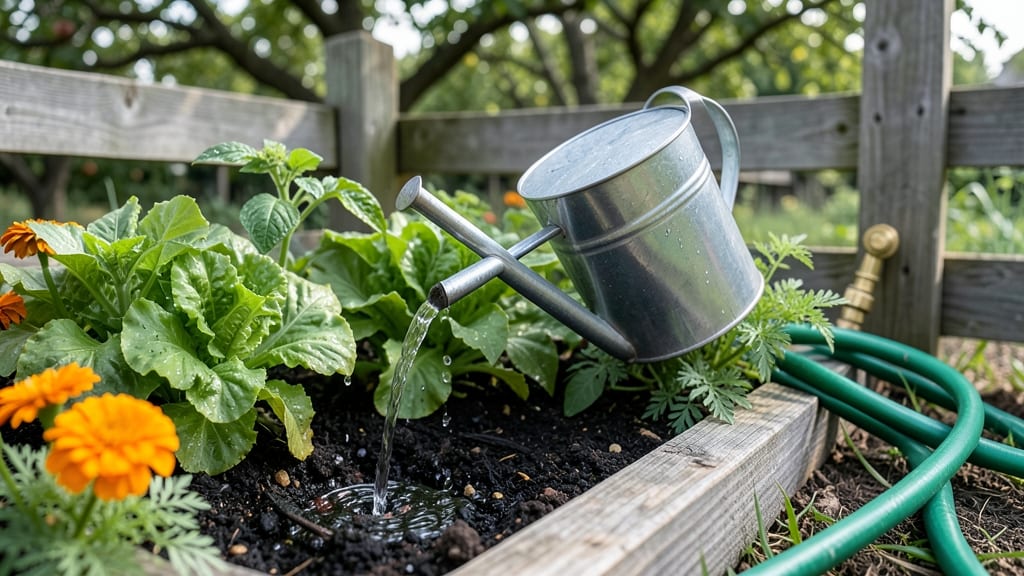
Watering your garden bed properly is the difference between lush growth and wasted effort — too little and plants struggle, too much and roots suffocate.
You’ve probably guessed that timing and amount matter, but the real trick lies in reading your soil and adjusting for heat, wind, and plant type. Drought-resistant varieties like lavender or rosemary, for example, hate soggy feet, while leafy greens need consistent moisture.
This guide breaks down how often to water based on your USDA Zone 6 climate, which tools work best for deep hydration, and how to spot when you’re over- or under-doing it. No more guessing — just science-backed precision.
From drip irrigation setups to the morning-only rule that saves water, you’ll learn the exact schedule that keeps your garden bed thriving with minimal waste.
How to create a drought-resistant watering schedule for garden beds
Creating a drought-resistant watering schedule starts with understanding your garden bed’s unique needs. Every plant and soil type has different moisture requirements, so a one-size-fits-all approach won’t work. For example, succulents and lavender thrive on infrequent deep watering, while tomatoes and peppers need consistent moisture.
The key is balancing water efficiency with plant health—especially in hot, dry climates where water waste is costly.
Before setting up your schedule, assess three critical factors: your soil type, the plant species in your bed, and your local microclimate. Sandy soil drains quickly and needs frequent watering, while clay holds moisture longer.
Plants like rosemary and yucca are drought-tolerant, while hostas and ferns require consistent dampness. Windy or sunny spots dry out faster than shaded areas. By accounting for these variables, you’ll avoid overwatering or underwatering—both of which stress plants.
Now, let’s break down the process into clear, actionable steps. This step-by-step guide will help you calculate the perfect watering frequency for your garden bed, ensuring your plants stay healthy without wasting water.
Step-by-Step Watering Schedule Setup
-
1
Test Your Soil’s Moisture Level
Use a soil moisture meter or the finger test: Stick your finger 2 inches into the soil. If it feels dry, it’s time to water. Sandy soil may need daily checks, while clay soil can go 3-4 days between waterings.
-
2
Group Plants by Water Needs
Categorize your plants into low-water, medium-water, and high-water groups. For example, place agave and sedum together in a dry bed and lettuce and basil in a separate, more frequently watered area.
-
3
Calculate Watering Depth
Water deeply to encourage deep root growth. Aim for 1-1.5 inches of water per session for most plants. Use a rain gauge or tuna can to measure. Shallow watering leads to weak roots and drought stress.
-
4
Adjust for Microclimate Factors
Factor in sun exposure, wind speed, and humidity. A south-facing bed may need watering 2 hours earlier than a north-facing one. Windy areas lose moisture faster, so increase frequency by 20-30%.
-
5
Set a Watering Timeline
Create a seasonal schedule. In summer, water every 2-3 days in clay soil or daily in sand. In winter, reduce to every 10-14 days. Always water in the early morning to minimize evaporation and fungal risks.
-
6
Monitor and Adjust Weekly
Check for signs of overwatering (yellow leaves, mold) or underwatering (wilting, crispy edges). Adjust your schedule based on rainfall and plant responses. A simple journal with dates and moisture notes keeps you on track.
For example, my rosemary and thyme bed in full sun gets watered every 4-5 days in summer, while my shaded hosta bed stays moist with weekly watering. Mulching with wood chips reduces evaporation by 30%, cutting my water use significantly.
Start with these steps, and soon you’ll have a customized, drought-smart schedule that keeps your garden thriving.
Don’t forget to account for new plantings, which need more frequent watering until established. Young roots are delicate and require consistent moisture to spread. Once your plants are mature, you can gradually reduce frequency based on their drought tolerance.
For instance, lavender can go 10 days without water once established, while basil needs almost daily attention.
Seasonal adjustments are crucial. In spring and fall, when temperatures moderate, reduce watering by 30-50% compared to summer. Use a weather-based irrigation controller if you’re tech-savvy—these devices adjust watering automatically based on local forecasts.
Even a simple rain gauge helps track natural precipitation, so you don’t overwater during rainy spells.
Finally, consider drip irrigation systems or soaker hoses for precision. These deliver water directly to the roots, reducing waste from evaporation and runoff. Pair them with mulch (like straw or bark) to lock in moisture. With these tools and your tailored schedule, your garden bed will stay lush, even during
Best watering techniques for maximizing efficiency in garden beds
Choosing the right watering method can transform your garden bed from a thirsty mess into a thriving ecosystem. Deep watering encourages roots to grow downward, while frequent shallow watering creates weak, surface-level roots.
My drip irrigation systems save 30% more water than sprinklers by delivering moisture directly to the soil. Let’s compare the best techniques to fit your garden’s needs.
The key to efficiency lies in minimizing evaporation and reducing runoff. Mulching with wood chips or straw locks in moisture, while watering in the early morning prevents evening evaporation. Even clay soil benefits from these methods—just adjust watering frequency to avoid waterlogging.
Here’s how different watering techniques stack up for your garden bed:
| Technique | Water Depth | Evaporation Loss | Root Growth | Best For |
|---|---|---|---|---|
| Deep Watering | 6+ inches | Low (soil stays moist) | Deep, strong roots | Drought-resistant plants, clay soil |
| Frequent Shallow | 1-2 inches | High (surface dries fast) | Weak, surface roots | Seedlings, sandy soil |
| Drip Irrigation | Customizable | Very low (direct to roots) | Deep, targeted growth | Vegetables, flowers, large beds |
| Sprinklers | Surface-level | High (wind/evaporation) | Shallow roots | Lawns, small gardens |
Mulching is your secret weapon against water waste. A 3-inch layer of organic mulch (like shredded leaves or straw) can reduce evaporation by up to 50%. Pair this with drip irrigation for the ultimate efficiency combo—my tomatoes and peppers thrive with this setup during summer heat.
Timing matters just as much as technique. Watering between 6 AM and 10 AM ensures moisture reaches roots before the sun peaks. Avoid evening watering—it invites fungal diseases like powdery mildew.
For container gardens, check soil moisture daily with your finger; if the top inch is dry, it’s time to water.
Don’t overlook soil type when planning. Sandy soil drains fast, so water more frequently but shallowly. Clay soil holds moisture longer, so deep watering every 5-7 days works best. Test your soil’s drainage by digging a hole—if water pools after 6 hours, you’re overwatering.
Pro tip: Use a rain gauge to track natural rainfall. If you get 1 inch of rain, skip watering for 3-5 days depending on your plants. My herb garden stays lush with this simple adjustment during spring showers.