
Tools
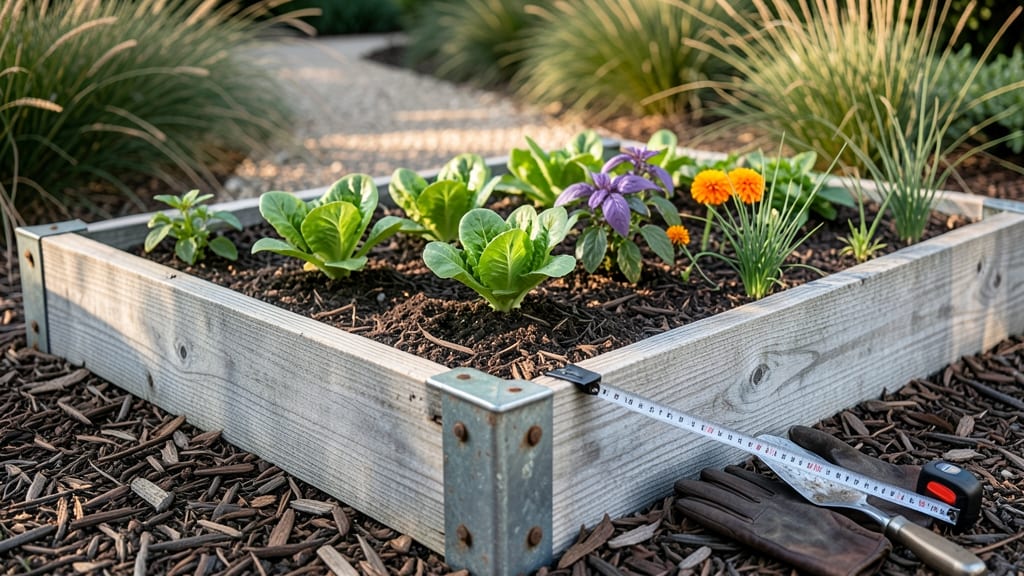
Designing a garden bed with the right width makes all the difference between a thriving plot and one that’s hard to reach and overcrowded.
If you’ve ever stretched awkwardly across a narrow bed to pull weeds or struggled to harvest produce from the back row, you know how frustrating poor planning can be. The 4-foot rule isn’t just a guideline—it’s a game-changer for accessibility, airflow, and even plant health.
Whether you’re working with raised beds, in-ground plots, or urban containers, getting the width right means less strain on your back and more room for your plants to grow.
In this guide, I’ll break down why 4 feet is the sweet spot, how to adjust for different garden styles, and common mistakes to avoid.
By the end, you’ll have an easy-to-follow plan for designing beds that work as hard as you do—saving time, reducing effort, and maximizing your harvest.
Why the 4-Foot garden bed width works for plant spacing and accessibility
The 4-foot garden bed width isn’t arbitrary—it’s a practical and ergonomic standard designed to balance plant health with easy maintenance. Whether you're growing tomatoes, herbs, or flowers, this width ensures you can reach every corner without stepping on the soil, which compacts it and harms roots.
The rule also maximizes sunlight exposure and airflow, reducing disease risk while making weeding and harvesting effortless.
From a botanical perspective, the 4-foot width aligns with the average human arm’s reach—about 2.5 to 3 feet from the body. This means you can comfortably tend to both sides of the bed from a central path without overreaching.
For soil health, narrower beds warm up faster in spring and stay drier, which is ideal for root crops like carrots or leafy greens like lettuce. Wider beds risk uneven moisture and shading in the center.
| Factor | 4-Foot Bed Advantage | Impact on Plants |
|---|---|---|
| Reachability | Fits within arm’s reach from path | Reduces soil compaction from stepping |
| Sunlight Exposure | Even distribution to all plants | Prevents center shading in leafy greens |
| Airflow | Reduces humidity buildup | Lowers risk of fungal diseases like powdery mildew |
| Weed Control | Easier to spot and remove weeds | Competes less with desired plants for nutrients |
| Soil Health | Warms up faster in spring | Supports root crops like carrots and radishes |
One of the biggest maintenance benefits of a 4-foot bed is reduced time spent weeding. With a clear path on both sides, you can quickly spot and pull weeds before they compete with your plants for water and nutrients.
This width also makes it easier to rotate crops annually, as you can access every corner without disturbing the soil structure. For raised beds, the 4-foot rule ensures even moisture distribution, which is critical for delicate herbs like basil or fruiting plants like peppers.
For accessibility, the 4-foot width is a game-changer. It accommodates wheelchair users, kids, or anyone with limited mobility, allowing them to tend to the garden without strain. You can also pair it with a 2-foot path for easy navigation, creating a functional and inclusive garden layout.
This design is especially useful in urban gardens or small yards where space is limited but productivity must remain high.
If you’re growing tall plants like corn or sunflowers, the 4-foot width still works—just place them at the back of the bed to avoid shading shorter varieties. For sprawling plants like zucchini or cucumbers, use trellises to keep them contained within the bed’s boundaries.
This approach maximizes vertical space while keeping the bed’s width manageable for maintenance.
Another often-overlooked advantage is how the 4-foot width optimizes mulching. A narrower bed allows mulch to be spread evenly, retaining moisture and suppressing weeds without smothering your plants. Organic mulches like straw or wood chips break down more uniformly, enriching the soil over time.
This is particularly beneficial for long-season crops like tomatoes or peppers, which need consistent moisture throughout their growing period.
For beginner gardeners, the 4-foot bed simplifies plant spacing decisions. You can follow general guidelines—like placing carrots 2 inches apart and onions 4 inches apart—without worrying about overcrowding.
The width also makes it easier to monitor plant health, as you can quickly spot signs of pests, disease, or nutrient deficiencies from all angles. This proactive approach saves time and effort in the long run.
In perennial gardens, the 4-foot width ensures that established plants like asparagus or rhubarb have enough space to spread without becoming overcrowded. It also makes seasonal pruning and fertilizer application more efficient, as you can reach every part of the plant without disturbing the surrounding soil.
For annuals, this width allows for successional planting, where you can stagger crops like lettuce or radishes for continuous harvests.
Ultimately, the 4-foot garden bed width is about balancing productivity with ease. It reduces the physical strain of gardening, minimizes maintenance time, and creates an environment where plants thrive. Whether you’re designing a vegetable patch, a flower border
How to adjust garden bed width for different plant types and garden styles
Not all plants thrive in the same space, and your garden layout should match their needs. While the 4-foot rule works for most vegetables and herbs, larger plants like fruit trees or shrubs need wider beds to accommodate their mature size.
Meanwhile, delicate flowers or microgreens may do better in narrower strips. Let’s explore how to adjust your bed width for different plant types and garden styles.
Your garden’s accessibility also plays a role. A 3-foot wide bed might be ideal for wheelchair users, while a 6-foot bed could work for in-ground planting with wider paths.
Urban gardeners often opt for narrow, deep beds to maximize space efficiency. The key is balancing plant health, maintenance ease, and your garden’s practicality.
-
1Herbs and leafy greens: 12–24 inches wide beds for easy harvesting and full sun exposure. Perfect for small spaces or container gardening.
-
2Vegetables (tomatoes, peppers): 3–4 feet for optimal reach and airflow. Use the 4-foot rule for minimal maintenance.
-
3Shrubs and perennials: 4–6 feet to accommodate root spread. Space beds 3 feet apart for easy pruning.
-
4Fruit trees: 8–10 feet in diameter for mature trees. Use a circular or semi-circular bed design.
-
5 Accessibility needs: 3 feet or less for wheelchair-friendly paths. Add 2-foot-wide paths between beds.6Urban gardening: 12–18 inches deep beds with 2-foot widths to fit between structures or fences.
For raised beds, stick to 3–4 feet wide to avoid stepping on soil, which compacts it. If you’re planting in-ground, wider beds (up to 6 feet) work if you’re okay with wider paths.
Just ensure you can reach the center without trampling plants. Mulch helps retain moisture and reduce weeds in wider beds.
In urban gardens or small yards, narrow beds (12–18 inches) with vertical growing space save room. Use trellises for vining plants like cucumbers or beans to maximize vertical space.
This approach also makes weeding and watering easier. For wheelchair accessibility, keep beds 3 feet wide or narrower and ensure smooth, even paths.
Experiment with temporary borders or string lines to test bed widths before committing to permanent installations. Adjust based on your plants’ growth habits and your comfort level. A well-planned layout reduces maintenance time and keeps your garden thriving year after year.