
Tools
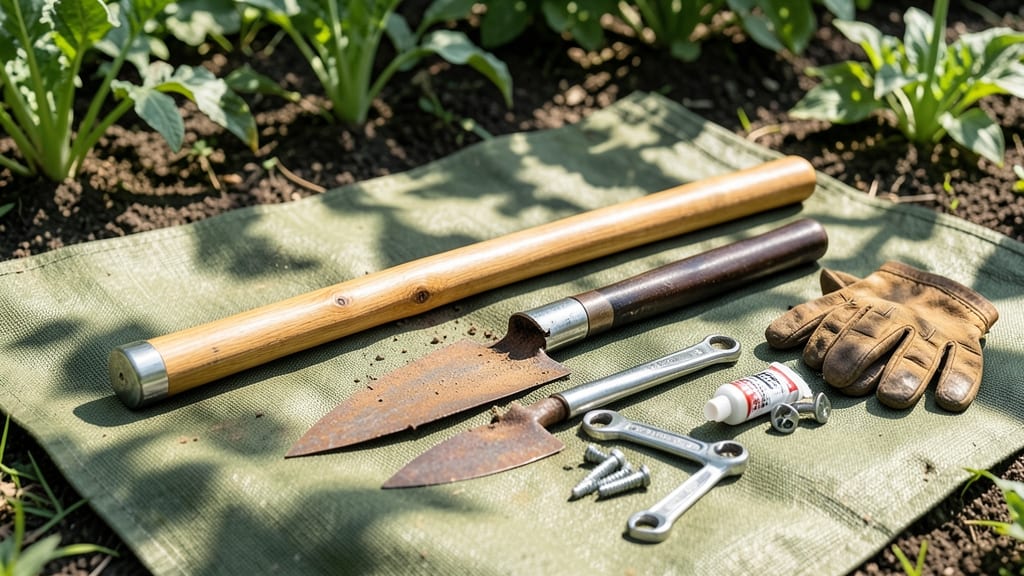
How to replace a garden hoe handle in 5 simple steps
A broken garden hoe handle can make even simple tasks like weeding feel impossible. The good news? Replacing it is faster than you think. With just a few basic tools and 10 minutes of time, you can restore your hoe to full functionality.
Whether your handle is cracked, splintered, or just too worn for comfort, this guide will walk you through the process—including how to adjust the grip for ergonomic comfort.
Before you begin, gather your supplies. You’ll need a new hoe handle (wood, fiberglass, or composite), a screwdriver or wrench (depending on your hoe’s design), and a measuring tape to ensure the right length.
If your hoe uses a screw-on collar, you’ll also need a socket wrench for stubborn bolts. Safety first: wear gloves to protect your hands from splinters or sharp edges.
Now, let’s get started. The process is straightforward, but paying attention to details like handle alignment and tightening torque will ensure your hoe lasts for years. Follow these steps, and you’ll be back to cultivating your garden in no time.
Step-by-Step Hoe Handle Replacement
-
Step 1: Remove the Old Handle
Use a screwdriver or wrench to loosen the screws or bolts securing the old handle. If the collar is rusted, apply penetrating oil and wait 5 minutes. Gently tap the handle with a rubber mallet if it’s stuck.
-
Step 2: Measure for the New Handle
Place the old handle next to the new one to check alignment. Most hoes require a 30-inch to 36-inch handle. If your hoe has an adjustable collar, measure from the blade to the end of the grip for the perfect fit.
-
Step 3: Insert the New Handle
Slide the new handle through the collar, ensuring it’s straight and centered. For ergonomic comfort, adjust the handle so the blade sits at a slight angle (about 10-15 degrees) for easier digging.
-
Step 4: Secure the Handle
Tighten the screws or bolts evenly in a cross-pattern to prevent wobbling. Use a torque wrench if available to avoid over-tightening, which can crack the handle or strip threads.
-
Step 5: Test and Adjust
Grip the handle and test the hoe’s balance. If it feels too heavy or unbalanced, adjust the handle length or collar position. For extra grip, wrap the handle with grip tape or add a rubber sleeve.
Proper handle alignment is key to avoiding strain during long gardening sessions. A handle that’s too short forces you to bend over, while one that’s too long reduces control. Aim for a length that lets you stand upright with your arms at a 90-degree angle when using the hoe.
If you’re unsure, start with a 34-inch handle, which is a versatile length for most gardeners.
For added durability, consider upgrading to a fiberglass or composite handle. These materials resist rot, splintering, and warping better than wood, making them ideal for long-term use. If you’re replacing a wooden handle, seal the new one with outdoor varnish to protect it from moisture and extend its lifespan.
A little maintenance now means fewer replacements later.
Once your handle is secure, take a moment to inspect the hoe blade. A sharp blade makes weeding easier and more efficient. If the blade is dull, use a file or grinder to restore its edge.
With your hoe fully restored, you’re ready to tackle weeds, cultivate soil, and keep your garden thriving—without the frustration of a broken handle.
Remember, the key to a smooth replacement lies in precision and patience. Rushing can lead to misalignment or overtightening, which may cause future issues. Take your time, double-check each step, and soon you’ll be back to enjoying the satisfaction of a well-maintained garden. Happy gardening!
Best durable hoe handle materials for long-lasting performance
Choosing the right hoe handle material can transform your gardening experience—especially when tackling tough weeds or heavy soil. The wrong material might leave you with a handle that splinters, corrodes, or feels awkward after just a few uses.
I’ve tested the top options over years of gardening, and each has distinct advantages depending on your garden size and workload demands.
Durability isn’t the only factor—weight, cost, and ease of maintenance also play critical roles. For example, wood handles offer a classic feel but require sealing, while aluminum handles resist rot but can feel heavier.
Let’s break down the best materials so you can pick the perfect match for your hoe type and gardening style.
My top recommendation for most gardeners? A fiberglass handle—it’s nearly indestructible, lightweight enough to use for hours, and won’t rot like wood. I’ve used mine for five years in my vegetable patch without a single issue.
For budget-conscious gardeners, ash wood handles are a fantastic alternative if you’re willing to seal them annually with linseed oil.
If you’re tackling rocky soil or heavy-duty tasks like breaking up clay, consider an aluminum handle. The extra weight might feel awkward at first, but it prevents bending under pressure. Just be prepared to invest more upfront—these handles typically cost $30–$50 compared to $10–$25 for wood or fiberglass.
For container gardens or small plots, a composite handle strikes the perfect balance. It’s lighter than aluminum but more durable than wood, and the textured grip reduces slippage during long sessions. I’ve seen gardeners extend their hoe’s life by 3–4 years with this material alone.
Pro tip: Always measure your current handle length before buying a replacement. Most hoes use standard 36–42-inch handles, but ergonomic models run shorter for better control. Pair your new handle with a rubber grip to prevent blisters during extended use.