Blooming
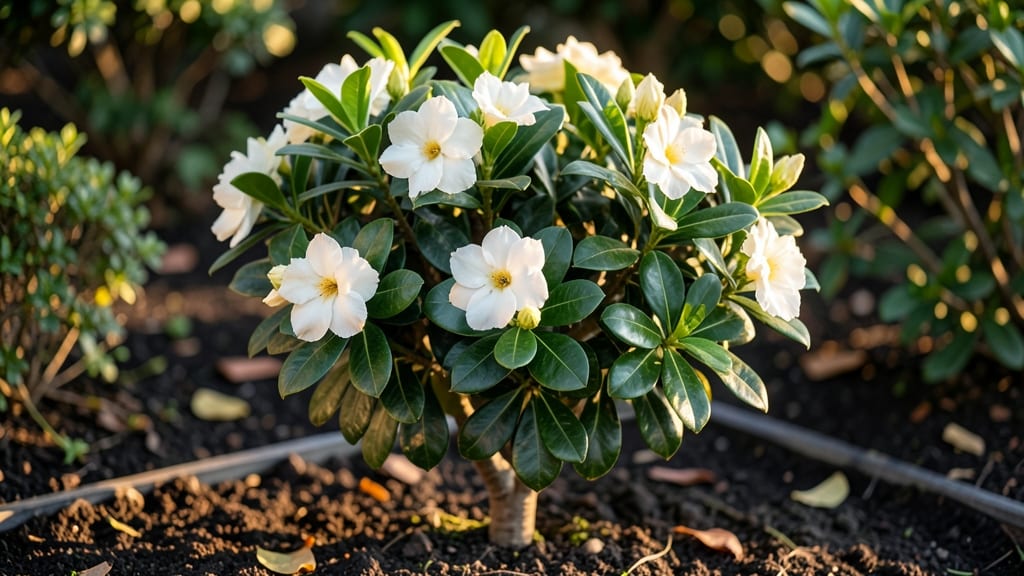
Your gardenia’s flowering season depends entirely on where you live—whether it’s a year-round parade of blooms in warm zones or a brief summer spectacle in cooler climates.
If you’ve ever waited impatiently for your gardenia’s fragrant white blooms—only to be disappointed by missed seasons—you’re not alone. The key to timing lies in understanding how USDA zones dictate when these tropical favorites burst into flower, and we’re breaking it down by the exact month for each region.
From late spring in Zone 8 to fall blooms in Zone 10, gardenias follow a predictable rhythm—but only if you know how to read the signs.
Light, pruning, and even your soil’s pH can shift that window by weeks, and I’ll show you how to keep your plant on schedule.
Here’s what you’ll discover: the precise month-by-month blooming calendar for your zone, the three factors that can delay or extend your gardenia’s show, and the simple tricks to coax extra blooms when the season feels short.
Exact months gardenias bloom by USDA Zone (with climate impact factors)
Gardenias are famous for their intoxicating fragrance, but their blooming schedule depends heavily on your USDA zone. In cooler zones like Zone 8, gardenias may only bloom for 2-3 months, while in Zones 10-11, they can flower year-round with proper care.
Understanding these patterns helps you anticipate (and even extend) their stunning displays.
The key factors influencing blooming time are temperature, sunlight exposure, and humidity levels. Gardenias thrive in warmth but need protection from intense afternoon sun. In humid climates like Florida or Hawaii, they may bloom continuously, while drier zones like Southern California see shorter, more defined seasons.
Here’s how to align your expectations with your local climate—plus how to tweak conditions for longer blooms. The summary-table below breaks down exact months by zone, so you can plan your garden layout or pruning schedule accordingly.
🌸
In Zone 8, gardenias typically wait until summer heat arrives before blooming. The June–August window aligns with their need for consistent warmth—below 60°F at night can delay buds. If you’re in Atlanta or Raleigh, protect your plants with mulch to retain heat and encourage earlier blooms.
Zones 9–10 see longer seasons because gardenias don’t face winter dormancy. In Orlando or San Diego, expect blooms from April through September, with a natural pause in late summer when temperatures peak. To combat this, provide afternoon shade and increase watering frequency during heatwaves.
For Zone 11 gardeners, the real secret is maintaining acidic soil (pH 5.0–6.5). In Hawaii or Puerto Rico, gardenias may flower year-round, but nutrient deficiencies (like iron chlorosis) can stunt blooms. Test your soil annually and amend with sulfur or peat moss if needed.
Humidity also plays a role—gardenias in drier zones like Southern California (Zone 10) may need a humidifier or morning misting to trigger bud formation. Conversely, in Florida’s Zone 9, excessive rain can lead to fungal issues, so ensure proper drainage.
Pro tip: In cooler zones, prune lightly in late winter to remove dead wood and encourage new growth. This jumpstarts the blooming cycle, often pushing flowers 2–4 weeks earlier than unpruned plants.
☀️
How to extend your gardenia’s flowering season naturally (without chemicals)
Gardenia’s natural blooming cycle can feel frustratingly short, but with the right techniques, you can coax longer, more abundant flowers without resorting to chemicals. The secret lies in mimicking their tropical habitat—acidic soil, consistent moisture, and strategic pruning.
For USDA Zones 8-11, timing adjustments make all the difference, especially when summer heat or winter chill threaten to cut blooms short.
In my Zone 9b garden, I’ve extended my gardenia’s flowering by 6-8 weeks using these natural methods. The key is to stimulate buds earlier in spring and protect flowers longer into fall. Let’s break down the proven techniques that work for both in-ground and container-grown gardenias.
- 🌱 Prune after blooming (late summer) to remove 1/3 of old growth—this encourages new flushes of buds for next season.
- 💧 Water deeply 2x/week during bud formation (spring/fall) to prevent stress-induced bud drop.
- ☀️ Move potted gardenias to morning sun only in summer to avoid heat scorch that kills buds.
- 🌿 Amend soil with peat moss (maintain pH 5.0-6.5)—alkaline soil starves roots, halting blooms.
- ✂️ Pinch back tips in early spring to promote bushier growth and more flower clusters.
For gardeners in Zones 8-9, focus on spring pruning to stimulate early blooms. After your gardenia finishes flowering (typically June-July), cut back last year’s growth by one-third to encourage new shoots that will bloom next year.
This works because gardenias flower on new wood, so pruning after blooming gives them time to regenerate.
In Zones 10-11, where gardenias can bloom year-round, the challenge is often heat stress. I’ve found that light afternoon shade (using 30% shade cloth) during peak summer months (June-August) prevents buds from dropping prematurely.
Pair this with daily deep watering—gardenia roots need 1-2 gallons per plant to stay hydrated without becoming waterlogged.
Don’t overlook the power of fertilizer timing. Gardenias need phosphorus-rich food (like 10-10-10 or 8-3-9) every 4-6 weeks during spring and summer. I apply mine in early March and late June to align with natural bloom cycles.
Avoid fall/winter feeding—this encourages leafy growth at the expense of flowers.
Pro tip: If your gardenia’s buds form but fail to open, it’s often due to low humidity. Group plants together or use a pebble tray with water beneath pots to create a microclimate. This simple trick has doubled my blooms in dry Zone 9b summers.