
Container Gardens
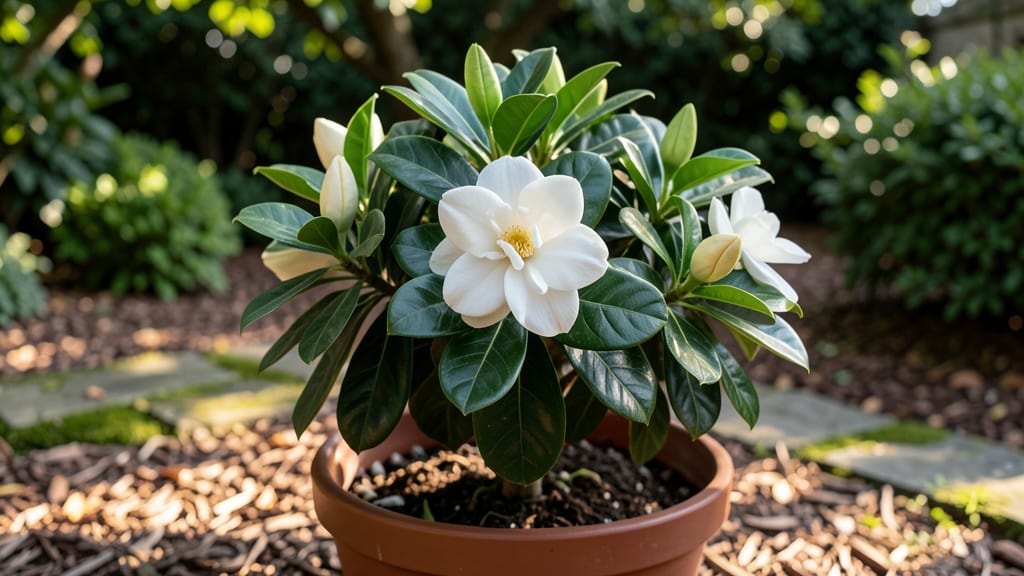
Growing gardenias thrives best in USDA zones 8 through 11, where warm winters and high humidity keep these fragrant shrubs 🌸 happy and blooming.
If you’ve ever dreamed of filling your garden with the intoxicating fragrance of gardenias, understanding their growing zones could be the key to success—or failure. These tropical beauties demand specific conditions, and getting their light and temperature needs right determines whether you’ll enjoy blooms or struggle with wilting leaves.
Outside those zones, gardenias can still flourish with the right adjustments—like container growing for cooler climates or creating microclimates with shade and mulch. The secret lies in mimicking their natural tropical environment, whether you’re in Zone 7 or beyond.
Here’s how to match your location to their needs, from sunlight balance to winter protection, so you can enjoy those signature white blooms year after year.
USDA growing zones for gardenias: where to plant for maximum blooms
Gardenia plants are tropical divas that demand warmth and humidity to reward you with their signature intoxicating blooms. While they’re native to USDA zones 8–11, their exact needs vary by microclimate. In ideal conditions—think zone 9b and aboveleaf drop or bloom failure.
If you’re in zones 8–9a, gardenias can thrive outdoors with winter protection, while zones 10–11 offer perfect frost-free conditions. The key is balancing heat tolerance, humidity levels, and soil acidity.
Let’s break down where to plant for those dreamy, fragrant blooms—and how to push the limits in marginal zones.
Zones 10–11 are gardenia paradise, where they grow year-round with minimal care. Here, the focus shifts to soil acidity and pruning for shape. In zone 10, expect 300+ frost-free days, while zone 11 offers even warmer, more humid conditions—perfect for large shrubs like Gardenia jasminoides. The trade-off? Higher humidity can encourage fungal diseases if airflow is poor.
In zones 9a–9b, gardenias still thrive outdoors but need winter protection if temperatures dip below 20°F. Use mulch or burlap wraps to insulate roots. These zones are ideal for dwarf varieties like Radicans, which stay compact (3–4 ft tall) and bloom prolifically.
Microclimates near south-facing walls or greenhouses can extend their growing season even further.
For gardeners in zones 8a–8b, outdoor planting is riskier but doable with container growing or microclimate spots. Choose heat-tolerant varieties like Gardenia augusta and move pots indoors or under porches when nights drop below 40°F.
A greenhouse or sunroom can also work, but ensure humidity levels stay above 50% to prevent leaf drop.
If you’re in zones 7 or below, container growing is your best bet. Use large pots (15+ gallons) with well-draining soil and move them indoors during winter. Grow lights can supplement 4–6 hours of filtered light daily.
Even here, you can enjoy blooms—just expect smaller plants and seasonal limitations. Overwintering indoors requires consistent humidity (try a pebble tray under the pot).
No matter your zone, soil pH is non-negotiable. Gardenias demand acidic soil (5.0–6.5). Test your soil and amend with peat moss or sulfur if needed. In zones 8–9, mulching with pine needles helps maintain acidity naturally.
Fertilize with acid-loving plant food (like 8-3-9 NPK) in spring and fall to encourage blooms.
Extending the growing season in marginal zones often comes down to heat management. In zone 8, use shade cloth during summer to protect leaves from scorching. In zone 7, black plastic mulch can warm soil in spring.
For container gardeners, self-watering pots prevent drought stress, while automatic misting systems boost humidity. Even a simple windbreak can improve air circulation and reduce stress.
Remember, gardenias reward patience. In optimal zones (10–11), they’ll bloom year-round with minimal effort. In cooler zones, focus on microclimates, container flexibility, and seasonal adjustments. With the right approach, you can enjoy their heavenly fragrance no matter where you live.
Start by choosing the right zone for your garden—and soon, you’ll be the envy of the neighborhood with your fragrant garden oasis.
Light requirements for gardenias: sun vs. shade balance for fragrant success
Gardenias crave bright, indirect light to produce their signature fragrant blooms, but direct afternoon sun can scorch their delicate leaves. In USDA zones 8–11, they thrive with morning sun and afternoon shade, mimicking their native tropical understory habitat.
This balance prevents leaf burn while ensuring enough energy for flowering.
Indoor gardenias need east-facing windows for gentle morning light, while outdoor plants benefit from dappled shade from trees or lattice screens. Without proper light, you’ll notice yellowing leaves or sparse blooms—clear signs your plant is struggling.
Let’s break down the ideal light conditions by zone to keep your gardenia thriving.
| USDA Zone | Morning Sun | Afternoon Shade | Light Hours | Indoor Adjustment |
|---|---|---|---|---|
| Zone 8 | 4–6 hours | Full shade after 12 PM | 4–5 hours total | Grow lights 6–8 hrs/day |
| Zone 9 | 5–6 hours | Partial shade after 1 PM | 5–6 hours total | South-facing window + sheer curtain |
| Zone 10 | 6 hours | Light shade after 11 AM | 6 hours total | East or west window |
| Zone 11 | 6–7 hours | Minimal shade after noon | 6–7 hours total | Bright indirect light year-round |
In Zone 8, gardenias need the most protection from afternoon sun, as cooler temperatures make them more sensitive to heat stress. Rotate potted plants weekly to ensure even light exposure, and use whitewashed lattice to diffuse harsh rays.
For Zone 11, where humidity is high, ensure good airflow to prevent fungal issues despite more sunlight.
Watch for yellowing leaves on new growth—a classic sign of light deficiency. If your gardenia’s blooms are sparse, it may need more morning sun (up to 6 hours).
Conversely, brown leaf tips indicate too much direct sun, especially in Zone 9 afternoons. Adjust pruning to open the canopy for better light penetration to inner branches.
Indoor gardenias often suffer from leggy growth due to insufficient light. Supplement with a grow light 12 inches above the plant for 6–8 hours daily. Place them near east-facing windows where temperatures stay cooler, and avoid drafty spots like near HVAC vents, which can stress the plant further.
With the right light balance, your gardenia will reward you with glossy foliage and heavily fragrant blooms year-round. Start by observing your plant’s response—adjust shade structures or window placement gradually to find the sweet spot for your climate.