Light Requirements
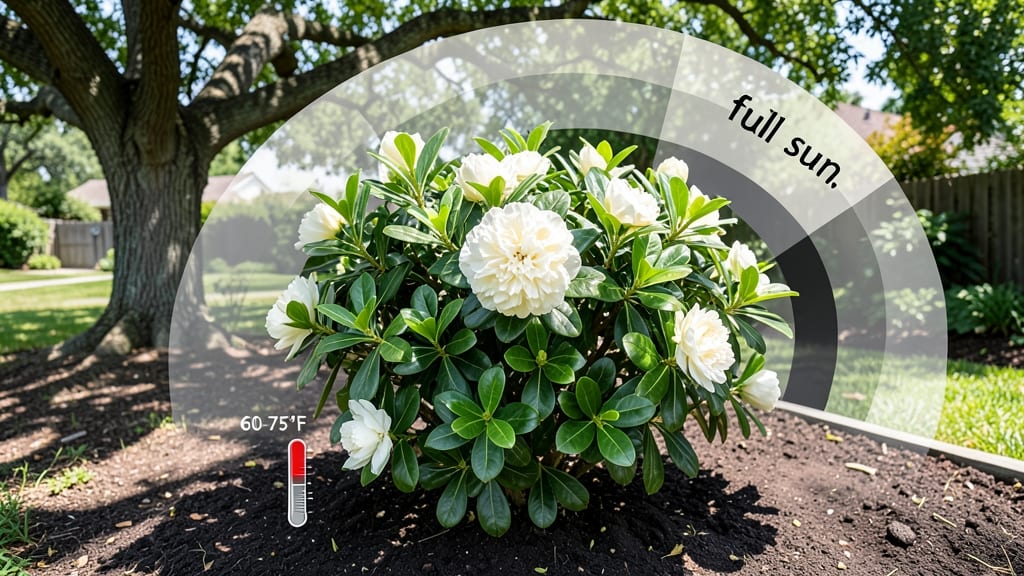
Gardenia sunlight requirements are all about balance—these fragrant 🌸 shrubs crave bright, indirect light but will fry in harsh afternoon rays.
Struggling to keep your gardenia blooming? Too much sun might be the culprit—these delicate beauties thrive in morning sun with afternoon shade, not scorching direct rays.
In fact, gardenias in full sun often show leaf burn or sparse blooms, while those in deep shade may grow leggy and weak. The sweet spot is 4-6 hours of filtered light daily.
Below, I’ll show you how to adjust sunlight for your climate, spot sunlight stress early, and keep your gardenia thriving with lush foliage and abundant blooms all season.

Optimal sunlight conditions for gardenia growth and blooming
Gardenia plants are famous for their fragrant blooms and glossy leaves, but they're surprisingly picky about sunlight exposure. Too much direct sun causes leaf scorch, while too little leads to sparse blooming.
The sweet spot? Morning sun with afternoon shade—a balance that mimics their native tropical understory habitats.
Understanding how sunlight affects gardenias starts with their photosynthesis process. These plants have thick, waxy leaves that reflect excess light, but they can't handle the intense UV rays of midday sun.
Instead, they thrive when sunlight is diffused through foliage or filtered by sheer curtains. Think of it like a gentle sunbath rather than a tanning session.
Here's the key insight: gardenias need 4-6 hours of sunlight daily, but the timing matters more than the total hours. Morning sunlight (before 10 AM) provides energy without overheating, while afternoon shade prevents stress. This pattern mirrors their natural environment, where young trees filter harsh afternoon rays.
Now let's break down exactly how to achieve this perfect balance with a sunlight comparison table that shows what works (and what doesn't) for gardenia care.
| Sunlight Condition | Daily Hours | Best For | Plant Response | Adjustments Needed |
|---|---|---|---|---|
| Morning Sun + Afternoon Shade | 4-6 hours | Ideal blooming | Healthy leaves, abundant flowers | None (perfect conditions) |
| Full Sun (6+ hours direct) | 6-8 hours | Hot climates only | Leaf scorch, yellowing | Add shade cloth (30-50%) |
| Partial Shade (2-4 hours) | 2-4 hours | Cool climates | Leggy growth, fewer blooms | Move to sunnier spot gradually |
| Deep Shade (<2 hours) | <2 hours | Indoor plants | Pale leaves, no blooms | Add grow lights (12-14 hrs/day) |
Seasonal adjustments are crucial for gardenias. In summer months, when the sun is most intense, I recommend moving potted gardenias to easterly exposures or using lightweight shade cloth.
This prevents leaf burn while still providing enough light for photosynthesis. For gardenias in containers, rotating them weekly ensures even growth and prevents one-sided sunlight stress.
You'll know your gardenia is getting the right amount of sunlight when you see dark green, glossy leaves and multiple buds forming in late spring. Yellowing leaves or brown edges are classic signs of too much sun, while pale, sparse foliage indicates insufficient light.
The key is to monitor your plant's growth patterns and adjust gradually—never make sudden changes that shock the plant.
For gardenias in hot climates, like USDA Zone 9 or 10, afternoon shade is non-negotiable. I've seen gardenias in Miami gardens thrive under palm fronds or trellises with climbing vines, which provide natural shade while allowing filtered light.
In cooler regions, like the Pacific Northwest, gardenias can handle more morning sun and even light afternoon exposure, especially when grown near east-facing walls.
One scientific fact that surprises many gardeners is how gardenias regulate photosynthesis. Their leaves contain anthocyanins, pigments that protect cells from excessive light. However, this isn't a substitute for proper sunlight management—it's more like a built-in sunscreen that works best when paired with the right light conditions.
Think of it as SPF for plants, but you still need to apply it correctly!
If you're growing gardenias indoors, position them near east-facing windows for the gentlest light. Avoid south-facing windows, which can deliver harsh, unfiltered rays. For indoor plants, I recommend supplementing with full-spectrum grow lights for 4-6 hours daily if natural light is insufficient.
This mimics the morning sun your gardenia craves while preventing the afternoon intensity that causes stress.
Remember, the goal is to create a consistent light environment that matches your gardenia's natural preferences. Whether you're adjusting outdoor shade structures or rotating indoor pots, small, gradual changes yield the best results. With the right sunlight balance, your gardenia will reward you with luxuriant blooms
How to adjust sunlight for gardenias in different climates
Gardenia plants are famously finicky about sunlight, and their needs vary dramatically depending on where you live. In hot climates like Miami, the intense afternoon sun can scorch leaves, while in cool regions like the Pacific Northwest, overcast skies might leave your gardenia starving for light.
Even indoor gardeners face challenges—balancing artificial light with natural sources. Let’s break down how to tailor sunlight for your gardenia’s success, no matter your climate.
Your gardenia’s sunlight strategy starts with understanding its natural habitat. Native to tropical Asia, gardenias thrive in dappled shade under taller trees, where they receive bright, indirect light without harsh midday rays.
Mimicking this environment is key—whether you’re in a sweltering desert or a foggy coastal area. The goal? Protect those glossy leaves from sunburn while ensuring enough light for vibrant blooms.
- 🌡️ Hot Climates (Zones 9-11): Use 50% shade cloth or plant near east-facing walls to block afternoon sun. Mulch with straw or wood chips to keep roots cool.
- 🌧️ Cool Climates (Zones 7-8): Place gardenias in south-facing spots with 3-4 hours of morning sun. Supplement with a grow light 12-14 hours/day in winter.
- 🏠 Indoor Gardenias: Position near an east or north window with sheer curtains to diffuse light. Rotate the pot weekly for even growth.
- ✂️ Pruning for Light Control: Trim overly dense branches in early spring to improve airflow and light penetration. Avoid heavy pruning—gardenia blooms form on old wood.
- 🌱 Seasonal Adjustments: Move potted gardenias indoors before frost or use frost blankets in cooler zones. In summer, provide afternoon shade to prevent leaf scorch.
If you’re in a humid climate like Florida, watch for fungal issues from excessive moisture combined with bright light. Increase airflow with spacers between plants and avoid overhead watering.
In dry climates like Arizona, group gardenias with succulents or lavender to create a microclimate that retains moisture while filtering harsh light.
For indoor gardenias, artificial light is a game-changer. A full-spectrum LED grow light placed 6-12 inches above the plant for 12-14 hours daily mimics natural conditions.
Pair this with a humidifier—gardenia leaves curl in dry air, mimicking drought stress. Pro tip: Mist leaves daily in low-humidity homes to keep them lush.
Seasonal transitions are critical. In spring, gradually introduce gardenias to more sunlight over 2-3 weeks to avoid sun shock. Conversely, in fall, reduce light exposure slowly as days shorten. This prevents leaf drop and ensures a smoother transition into dormancy.
Pay attention to your gardenia’s leaves—if they’re yellowing or crispy, it’s a cry for shade; if they’re pale and leggy, it’s begging for light.
Remember, gardenias are not one-size-fits-all. Experiment with placement, monitor leaf health, and adjust as needed. With the right sunlight balance, your gardenia will reward you with fragrant blooms from June through September—no matter where you garden. 🌸