Pruning
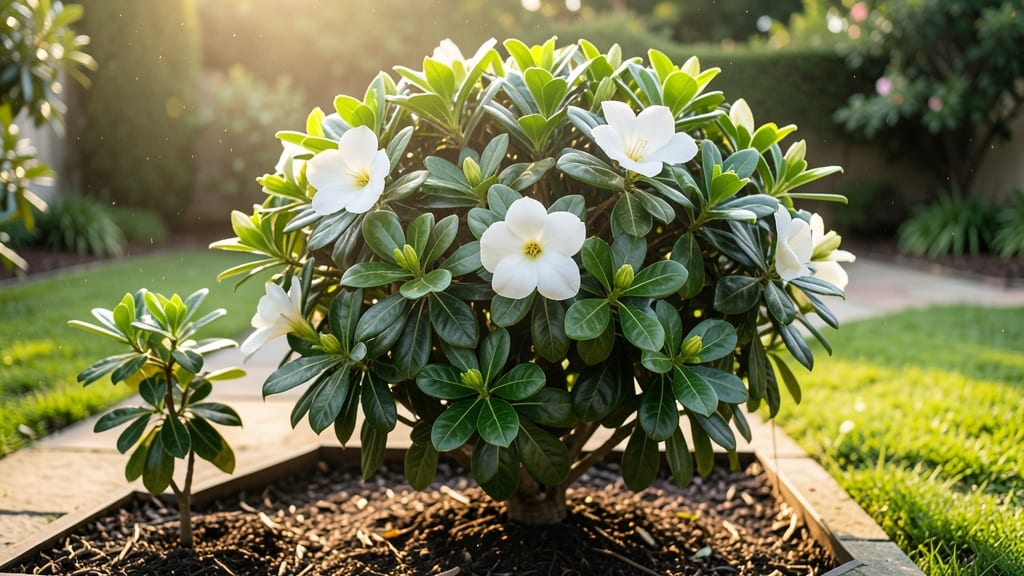
The size of a mature gardenia tree 🌺 can range from a compact 3 feet to a towering 15 feet, depending on the variety and growing conditions.
If you're dreaming of fragrant, glossy-leaved gardenias but worried about whether they’ll fit your space, understanding their mature size is key—some varieties stay compact while others grow into towering shrubs.
For example, the popular Gardenia jasminoides typically reaches 6 to 10 feet at maturity, making it a great mid-sized shrub for many yards. However, dwarf varieties like Kleio stay under 3 feet, perfect for containers or small gardens.
Below, I’ll break down how to choose the right size for your space, pruning tips to control growth, and the best varieties for small yards or large landscapes.

Gardenia tree size by variety: height and spread expectations
Choosing a gardenia variety isn’t just about fragrance—it’s about knowing whether you’re planting a compact bush or a towering shrub. Gardenias range from 2-foot dwarf varieties to 15-foot giants, so your space and sunlight conditions will determine the perfect fit.
Let’s explore the most popular types and their mature dimensions to help you plan your garden layout.
Every gardenia variety has unique growth habits, and understanding these will help you space plants correctly for optimal airflow and full bloom potential. Some varieties grow upright like trees, while others spread wider, creating a lush, rounded shape.
Below, we’ll break down the height, spread, and growth rates of eight common gardenias, including tips on spacing and pruning to keep them in check.
If you’re working with limited space, dwarf varieties like Gardenia 'Kleio' are ideal for containers or small gardens, while standard types like Gardenia jasminoides need room to spread. Always check the mature spread—a 10-foot-tall gardenia with an 8-foot spread will dominate a small yard if not pruned regularly.
For urban balconies or patios, opt for compact or trailing varieties like Gardenia 'Radicans' or Gardenia 'Veitchii'. These thrive in
How to control gardenia tree size: pruning and growing tips
Controlling your gardenia tree size starts with understanding its natural growth habits. Most varieties like Gardenia jasminoides can reach 6-15 feet tall if left unchecked, but with strategic pruning and care, you can keep them compact or even grow them in containers.
The key is timing—prune at the right season and avoid cutting back too aggressively.
For container-grown gardenias, choose dwarf varieties like 'Kleio' (2-3 ft) or 'Radicans' (3-5 ft). These thrive in 15-20 gallon pots with proper drainage, but even standard types can be managed with regular pruning and root maintenance.
Root-bound plants show signs like circling roots or slow growth, signaling it's time to repot or trim roots.
One common mistake is over-pruning blooms—gardenia flowers form on old wood, so cutting back too much can reduce flowering. Instead, prune only dead or crossing branches during the growing season. For container gardening, use self-watering pots to prevent root stress from inconsistent moisture.
Seasonal care is critical: Reduce watering in winter (monthly) and avoid fertilizing during dormancy. In USDA Zone 6, protect young plants with burlap wraps if frost threatens. Even mature gardenias benefit from light winter pruning to remove damaged branches before spring growth.
For fast-growing varieties, prune twice a year—once after flowering and again in late winter—to maintain shape. Always use sharp, clean tools to prevent disease. With consistent care, even standard gardenias can stay under 8 feet tall in ideal conditions. 🌿