
Companion Plants
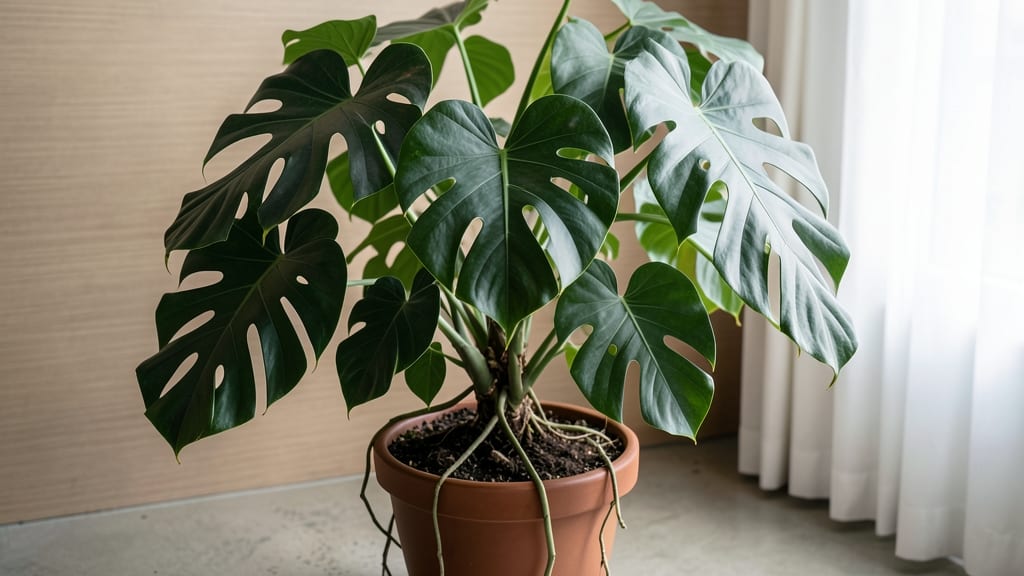
Growing tropical plants successfully hinges on three non-negotiable factors: humidity, light, and soil—each one a potential make-or-break moment for your 🌴 garden.
Picture this: you’ve spent hours selecting vibrant hibiscus or a towering monstera, only to watch them droop within weeks because your space lacks the right balance. That’s the reality for many gardeners who skip the basics—like recreating a rainforest’s moisture levels or mimicking dappled forest light indoors.
Here’s the good news: with the right approach, you can transform even a small balcony or sunroom into a thriving tropical oasis.
I’ll walk you through the exact humidity ranges your plants crave, how to hack light conditions without fancy equipment, and soil mixes that keep roots happy without drowning them.
By the end, you’ll know exactly how to keep your tropical plants lush year-round—whether you’re a beginner or a seasoned grower tweaking the perfect setup.
Tropical plant humidity requirements: how to recreate a rainforest in your garden
Tropical plants thrive in environments where humidity levels mimic their native rainforest homes—typically between 60% and 80%. Without this moisture-rich air, even the hardiest species like Monstera deliciosa or Bird of Paradise will develop crispy edges and stunted growth.
The key is understanding your plants' specific needs and replicating those conditions, whether you're gardening indoors or outdoors.
Not all tropical plants demand the same humidity levels. Some, like Calathea or Ferns, require near-constant moisture in the air, while others, such as Hibiscus or Bromeliads, tolerate slightly drier conditions.
The first step is categorizing your plants into high, medium, or low humidity groups to tailor your care approach.
For indoor gardens, where air tends to be drier due to heating or air conditioning, you’ll likely need to use tools like humidifiers, pebble trays, or foliage mulch to recreate that tropical feel.
Outdoors, grouping plants together and using shade cloths can help retain moisture, especially in hot, dry climates.
Here’s how tropical plants compare to their temperate counterparts in terms of humidity tolerance. While temperate plants often adapt to 30%-50% humidity, tropical species wilt below 50%, making humidity control non-negotiable for their survival.
| Plant Type | Humidity Range | Indoor Solutions | Outdoor Solutions | Signs of Stress |
|---|---|---|---|---|
| High Humidity Needs | 70%-85% | Humidifier, pebble tray, daily misting | Group plants, use shade cloth, mulch with bark | Brown leaf tips, crispy edges |
| Medium Humidity Needs | 50%-70% | Group plants, occasional misting, humidifier on low | Drip irrigation, morning watering, mulch | Yellowing leaves, slow growth |
| Low Humidity Needs | 40%-55% | Avoid direct AC vents, occasional misting | Windbreaks, drip irrigation, well-draining soil | Drooping leaves, leaf scorch |
| Temperate Plants | 30%-50% | Standard indoor care | Standard outdoor care | Wilting, stunted growth |
If you’re using a humidifier, place it near your plants but avoid soaking the leaves, which can lead to fungal infections. For a DIY pebble tray, fill a shallow tray with pebbles and water, then place your plant’s pot on top.
The evaporating water will increase local humidity without overwatering the soil.
For outdoor gardens, focus on mulching with organic materials like bark or leaves to retain soil moisture. Grouping plants with similar humidity needs together creates a microclimate that mimics their natural environment.
In arid climates, consider installing a drip irrigation system to keep soil consistently moist without drying out the air.
Misting is a quick fix, but it’s not enough for long-term care. I recommend misting Calathea or Ferns daily in dry conditions, but avoid misting succulents or cacti, which are tropical but prefer dry air. Instead, focus on soil moisture for these drought-tolerant species.
Monitor your plants closely for signs of humidity stress, such as brown tips, curled leaves, or slow growth. Adjust your methods seasonally—humidity drops in winter due to indoor heating, so you may need to ramp up your efforts during colder months.
With the right humidity setup, your tropical plants will flourish year-round, turning your garden—or even a corner of your home—into a vibrant rainforest oasis. Start with the right humidity range for your plants, then experiment with DIY solutions to find what works best for your space.
Optimal light conditions for tropical plants: balancing brightness without sunburn
Tropical plants thrive in environments that mimic their native rainforest habitats, where bright, indirect light dominates. Unlike sun-loving succulents, most tropical species—like Monstera deliciosa or Calathea—suffer from leaf scorch when exposed to harsh direct sunlight.
The key is replicating the dappled light of a jungle canopy, where sunlight filters through leaves above. This balance prevents sunburn while ensuring enough energy for vibrant growth.
Identifying your plant’s light needs starts with observing its natural behavior. Philodendrons and Pothos happily grow under medium to low light, while Bird of Paradise and Hibiscus crave bright indirect light.
Place your plant near an east-facing window for gentle morning sun or use sheer curtains to diffuse harsh afternoon rays. If your space lacks natural light, LED grow lights can bridge the gap—just ensure they’re positioned 12–18 inches above the foliage for even coverage.
Light stress often reveals itself through crispy leaf edges, yellowing patches, or bleached spots. These are red flags that your plant is receiving too much direct sun. Conversely, leggy growth or pale leaves signal insufficient light. Adjust your plant’s position gradually—moving it closer to a window over a week helps avoid shock. For indoor setups, rotate plants weekly to ensure even light exposure on all sides.
5 Light Myths Debunked
- Myth 1: "All tropical plants need full sun." ✗ Most prefer indirect light—only a few, like Bird of Paradise, tolerate direct sun.
- Myth 2: "South-facing windows are always best." ✗ West windows can scorch leaves—use sheer curtains to diffuse light.
- Myth 3: "Grow lights must mimic sunlight exactly." ✗ LED grow lights with full-spectrum bulbs work well—just adjust distance and duration.
- Myth 4: "Tropical plants can’t handle artificial light." ✗ Many thrive under 12–14 hours of grow lights daily, especially in low-light spaces.
- Myth 5: "Seasonal light changes don’t affect tropical plants." ✗ Shorter winter days may require supplemental lighting to maintain growth.
Seasonal adjustments are critical, especially in regions with harsh winters. If your tropical plants start drooping or losing leaves in cooler months, supplement with grow lights to extend daylight to 12–14 hours.
For outdoor tropicals in USDA Zones 9–11, provide shade cloth (30–50% coverage) during peak summer sun to prevent overheating. Even hardy species like Banana plants benefit from afternoon shade in intense climates.
Creative solutions can transform even the dimmest spaces into tropical havens. Place reflective surfaces, like mirrors or white walls, near your plants to bounce light deeper into the room. Group plants together to create a microclimate that retains humidity and light.
For low-light lovers like ZZ Plants or Snake Plants, a north-facing window or a corner away from direct light works perfectly. The goal is to mimic the filtered light of their native environments without risking leaf burn.
Remember, every tropical plant is unique—experiment with placement and observe how your specific species responds. With the right balance of brightness and shade, your indoor jungle will flourish year-round, even in less-than-ideal lighting conditions. 🌿