
Tools
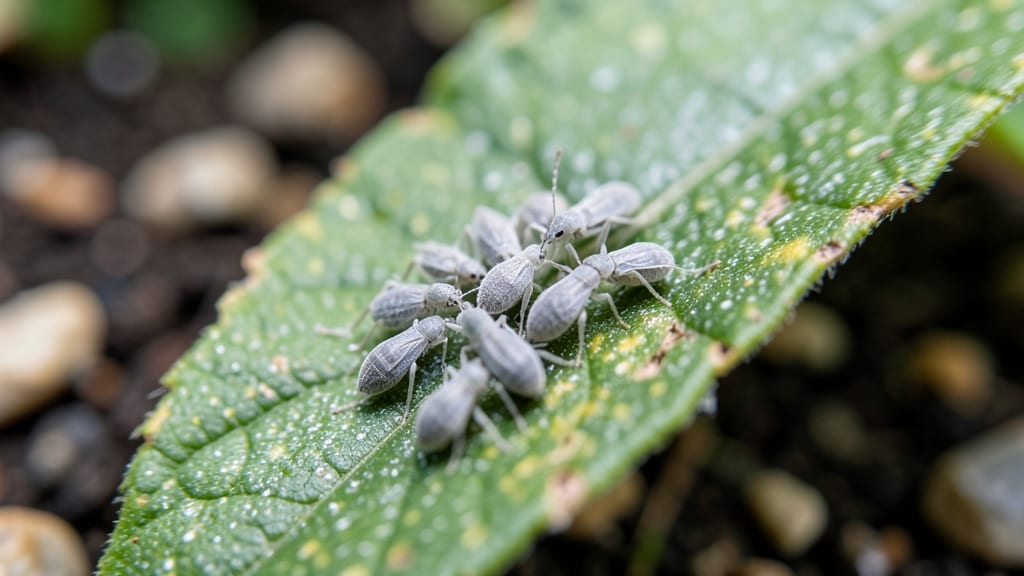
Gray bugs in your garden are more than just an eyesore—they can silently destroy your plants before you even notice.
Picture this: you step outside to water your tomatoes, only to find tiny gray specks clinging to the undersides of leaves. What you don’t see yet is the damage they’re causing—stunted growth, curled leaves, or even worse, a plant that’s already too far gone.
The key to saving your garden isn’t just reacting to the damage but identifying these pests early and acting fast.
From aphids to mealybugs and scale insects, these gray invaders come in many forms, each with its own telltale signs. Some leave sticky residue, others create webbing, and a few just suck the life out of your plants without a trace.
The good news? Most can be stopped with the right tools and a little know-how.
In this guide, I’ll walk you through how to spot these pests, what damage to watch for, and the fastest ways to eliminate them—whether you prefer natural remedies or targeted solutions. Let’s get your garden back on track before the bugs take over.
7 Most common gray bugs in gardens & what they eat
Gray bugs might seem harmless at first glance, but many of these tiny invaders can wreak havoc on your vegetables, flowers, and ornamental plants. Unlike bright green aphids, their muted color helps them blend into foliage, making them harder to spot until damage appears.
These pests often cluster on new growth, undersides of leaves, or plant stems, sapping nutrients and spreading plant diseases.
Identifying gray bugs early is crucial because some, like mealybugs and scale insects, can create a sticky residue called honeydew that attracts mold and other pests. Others, such as fungus gnats, thrive in moist soil, while spider mites (often grayish) cause stippling on leaves.
Let’s break down the 7 most destructive gray bugs you’re likely to encounter and what they’re feasting on in your garden.
One of the first signs of a gray bug infestation is honeydew, a sticky substance that appears on leaves or drips onto surfaces below. This residue is a red flag for mealybugs or scale insects, which excrete it as they feed.
Another clue is sooty mold, a black fungal growth that thrives on honeydew. If you notice your houseplants or outdoor perennials developing these symptoms, inspect the undersides of leaves or plant stems with a magnifying glass.
For fungus gnats, focus on the soil. These tiny flies lay eggs in moist potting mix, and their larvae chew on plant roots.
Look for yellowing seedlings or plants that wilt despite adequate watering. Spider mites, though often grayish, are easier to spot when they create fine webbing between leaves. Shake plants over a white sheet to see if tiny specks or webbing appear—a telltale sign of an infestation.
To confirm your suspicion, use a hand lens or magnifying glass to examine suspicious areas. Gray bugs often hide in leaf axils (where leaves meet stems) or along veins. If you find clusters of tiny, immobile insects with a wax
Natural & chemical solutions to eliminate gray bugs fast
When gray bugs invade your garden, acting quickly is crucial to protect your plants. These pests—like aphids, mealybugs, or scale insects—can weaken plants in days if left unchecked. The good news?
You have both natural and chemical options to tackle them effectively. Below, I’ve ranked solutions by speed and plant safety, so you can choose what works best for your situation.
For gardeners prioritizing eco-friendly methods, neem oil and insecticidal soap are top choices. These disrupt pests’ life cycles without harming beneficial insects like ladybugs or lacewings. On the other hand, chemical pesticides like pyrethrin or systemic insecticides deliver faster results but may require caution around pets and children.
Natural vs. Chemical Solutions for Gray Bugs
Natural Solutions
- ✅ Safe for plants and beneficial insects
- ✅ Long-term prevention with companion planting
- ✅ No residue on edible plants
- ⚠️ Slower action (2-7 days)
- ⚠️ Requires reapplication
Chemical Solutions
- ✅ Fast knockdown (hours to 1 day)
- ✅ Strong residual effect
- ⚠️ Harmful to beneficial insects
- ⚠️ Residue risks on edibles
- ⚠️ Safety precautions required
Let’s start with natural solutions. Neem oil is my go-to for stubborn infestations. Mix 1 tablespoon of neem oil with 1 quart of water and 1 teaspoon of mild soap as an emulsifier.
Spray this directly on the bugs and plant surfaces, focusing on undersides of leaves where pests hide. Reapply every 5-7 days until the infestation clears.
For a quicker fix, insecticidal soap works well for soft-bodied bugs like aphids. Fill a spray bottle with 1 tablespoon of soap (like castile soap) per 1 quart of water.
Spray until foliage is thoroughly wet, ensuring you cover both sides of leaves. This method kills bugs on contact, but you’ll need to repeat it every 3-5 days for severe cases.
Companion planting is another proactive strategy. Pairing vulnerable plants with marigolds, basil, or garlic can deter gray bugs naturally. These plants release scents that repel pests, reducing the need for interventions. For example, planting basil near tomatoes can cut down on aphid populations by up to 50%.
If natural methods aren’t cutting it, chemical solutions like pyrethrin offer rapid relief. This natural derivative of chrysanthemums kills bugs within 24 hours but breaks down quickly in sunlight. Apply it in the early morning or evening to maximize effectiveness.
For stubborn infestations, systemic insecticides like imidacloprid can be used, but these require careful handling and may not be suitable for organic gardens.
Always prioritize safety when using chemicals. Wear gloves and a mask, and avoid spraying when bees or other pollinators are active. For edible plants, wait at least 7 days before harvesting after application. When in doubt, start with natural remedies—they’re gentler on your garden’s ecosystem.