
How To
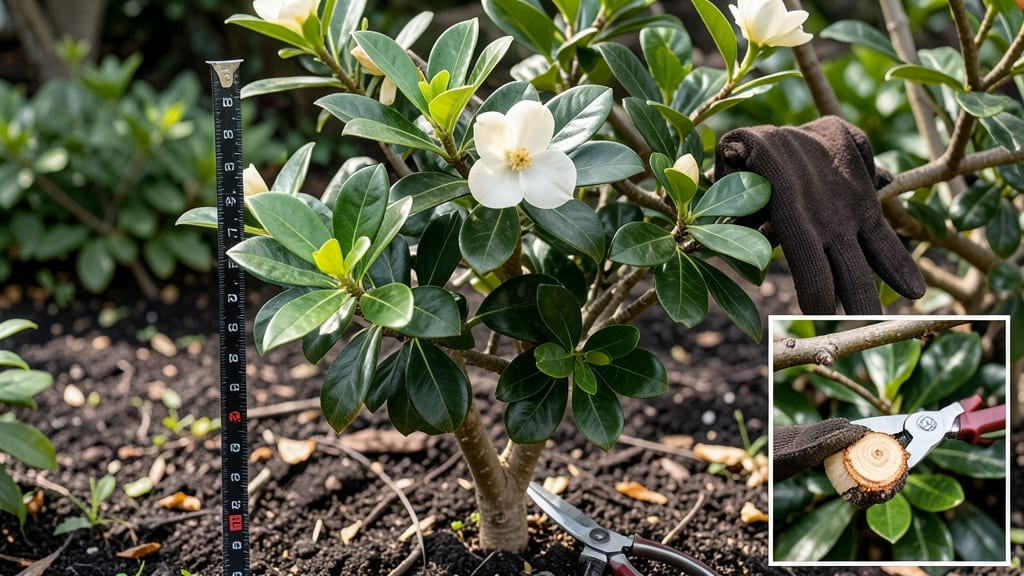
You can safely cut back gardenias by up to one-third of their height without stressing the plant, but timing and technique make all the difference for those fragrant blooms.
Picture this: You’ve spent months admiring your 🌸 gardenias, only to see them produce fewer flowers after a pruning session. The problem? Cutting too much at once or trimming at the wrong time.
Gardenias are sensitive, but with the right approach, you can encourage bushier growth and more blooms—without risking damage.
In this guide, I’ll walk you through the exact pruning limits for your gardenias, including when to trim (spring is ideal), how to avoid over-pruning, and the tools you’ll need. You’ll also learn how to revive a plant that’s been stressed by poor pruning habits.
By the end, you’ll know exactly how far to cut back your gardenias—whether you’re shaping them for the first time or giving them a seasonal refresh—to keep them thriving for years to come.
Safe pruning limits for gardenias: how far to cut without killing the plant
Pruning gardenias correctly is all about balance—too little and your shrub becomes leggy and sparse, while too much can shock the plant and halt blooming. The key lies in understanding the 1/3 rule and seasonal pruning limits.
Gardenias are sensitive, so knowing exactly how far to cut prevents dieback while encouraging lush, fragrant growth. Let’s break down the science behind safe pruning depths to keep your gardenias thriving.
Gardenias bloom on new wood, meaning their flowers develop on current season’s growth. This makes them different from many shrubs that flower on old wood. When you prune too aggressively, you risk removing next year’s flower buds entirely.
The general rule is to never remove more than 1/3 of the plant’s total foliage in a single session, but seasonal adjustments are crucial for long-term health.
Here’s where things get tricky: branch thickness matters. For thin branches (under 1/4 inch), you can trim back to a leaf node (the bump where leaves attach). For medium branches (1/4–1/2 inch), cut just above a node with at least 3–5 leaves.
Thick branches (over 1/2 inch) should only be pruned to a strong lateral branch or the main trunk to avoid creating wounds that attract pests.
Seasonal timing changes the game. In spring (March–April), focus on light shaping—removing only dead or crossing branches.
Summer pruning should be minimal, as it stresses the plant during peak blooming. Fall (October–November) is the best time for moderate pruning to shape the plant before dormancy, while winter (December–February) requires almost no pruning unless removing dead wood.
| Pruning Season | Max Pruning Depth | Branch Thickness Limit | Key Focus |
|---|---|---|---|
| Spring (March–April) | 10–15% of foliage | Thin branches only | Remove dead wood, shape lightly |
| Summer (June–August) | 5% or less | Avoid thick branches | Minimal trimming; focus on pests |
| Fall (October–November) | Up to 30% of foliage | Medium branches (1/4–1/2 inch) | Shape for winter, remove weak growth |
| Winter (December–February) | Dead wood only | N/A (dormant season) | No aggressive cuts; wait for spring |
✂️ Pro Tip: Always use sterilized shears to prevent disease.
Identifying over-pruning signs is critical. If your gardenia produces fewer blooms than usual, has yellowing leaves, or shows bare stems, you’ve likely cut too much. Another red flag is stunted new growth—this means the plant is struggling to recover.
To fix it, reduce future cuts by 50% and focus on nutrient-rich soil and consistent watering to help the plant bounce back.
For hard pruning (rare for gardenias), only cut back 1/2 of the plant’s height in late winter if the shrub is severely overgrown or diseased. This is a last resort, as it removes most of the year’s flower buds.
After hard pruning, expect minimal blooms that season but robust regrowth the following year. Always prune just above a leaf node or outward-facing branch to encourage bushier growth.
One of my favorite tricks is the leaf node method. Count backward from the tip of a branch to find the 5th leaf node—this is your safe stopping point. Cutting here ensures you leave enough energy for the plant to produce new shoots and flowers.
For example, if you’re trimming a 3-foot branch, aim to leave at least 1.5 feet of growth with multiple leaf nodes intact.
Never cut into old wood (wood older than 2–3 years), as gardenias rarely regrow from these areas. Instead, focus on current season’s growth to stimulate blooms. If you accidentally cut into old wood, seal the wound with pruning paste to prevent disease.
Pair this with a balanced fertilizer (like 10-10-10) to support recovery and new growth.
Remember, gardenias are slow growers, so patience is key. If you’re unsure about a cut, err on the side of caution—it’s always easier to prune more next year than to revive a stressed plant.
With the right approach, your gardenias will reward you with glossy leaves and fragrant blooms for years to come. 🌸
Step-by-Step guide to pruning gardenias for maximum blooms
Pruning gardenias might seem intimidating, but it’s the key to encouraging those fragrant, creamy-white blooms year after year. The right technique ensures your shrub stays healthy while producing abundant flowers.
I’ve pruned gardenias for over a decade, and I’ve learned that timing, tool selection, and cutting depth make all the difference.
Start by gathering your tools—a sharp pair of bypass pruners, sterilized shears, and a small saw for thicker branches—and work on a clear, dry day to minimize stress on the plant.
Before you begin, inspect your gardenia for dead or diseased branches. These should be removed first, as they drain energy from the plant. Next, focus on shaping the shrub by cutting back overlapping branches and those growing inward.
This opens up the center, allowing better air circulation and sunlight penetration—both critical for flower production. Remember, gardenias bloom on new wood, so avoid heavy pruning in late summer or fall, as this can reduce next year’s blooms.
Step-by-Step Pruning Guide for Gardenias
- 🌿 Step 1: Remove Dead Wood
Cut back any brown, brittle branches to the nearest healthy bud or leaf node. This prevents disease and redirects energy to new growth. - 🪴 Step 2: Thin Out Overcrowded Branches
Trim branches that cross or rub against each other, focusing on the outer third of the shrub to maintain its natural shape. - ✂️ Step 3: Shape the Shrub
Use hand pruners to cut just above a leaf node at a 45-degree angle. Never cut into old wood—this can kill the branch. - 🌱 Step 4: Encourage Bushier Growth
Lightly trim new growth tips to promote branching. Aim to cut back no more than 1/3 of the plant’s height in a single session. - 💧 Step 5: Post-Pruning Care
Apply a balanced fertilizer (10-10-10) and water deeply. Seal cuts with pruning paste if your climate is humid to prevent fungal infections.
After pruning, your gardenia will need extra care to recover. Water the base thoroughly to help it establish new roots, and apply a slow-release fertilizer to support regrowth. Avoid fertilizing in late summer, as this can stimulate tender new growth that won’t survive winter.
Instead, focus on mulching around the base to retain moisture and protect roots from temperature fluctuations. If you notice yellowing leaves or wilting, adjust your watering schedule—gardenias prefer consistent moisture but hate soggy soil.
One common mistake is pruning too aggressively in winter. Gardenias are semi-dormant during colder months, and heavy cuts can shock the plant. Instead, wait until early spring when new growth begins. If you must prune in winter, limit cuts to removing only dead wood.
Another tip: always sterilize your tools between cuts to prevent the spread of bacterial or fungal diseases. A quick wipe with rubbing alcohol ensures your gardenia stays healthy and vibrant.
For container-grown gardenias, pruning is even more critical, as they have limited space to recover. Prune lightly in spring to maintain shape and remove any root-bound roots you spot during repotting. If your gardenia isn’t blooming as expected, check your pruning habits—over-pruning can reduce flower production.
Aim for moderate cuts and focus on shaping rather than drastic reductions. With patience and the right technique, your gardenia will reward you with abundant, fragrant blooms for years to come.
Finally, keep an eye out for pests like aphids or spider mites, which love to infest freshly pruned gardenias. A gentle spray of neem oil can deter these pests without harming the plant. With these steps, your gardenia will thrive, blooming beautifully and staying healthy for decades. Happy pruning!