How To
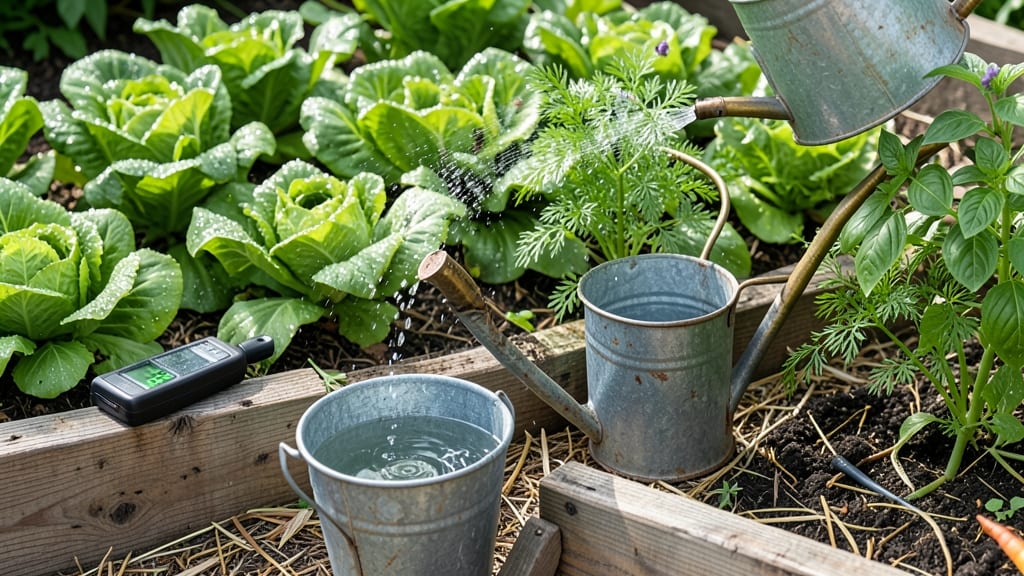
To water a vegetable garden properly, aim for 10 to 30 minutes per session depending on soil type and plant needs—this is the key to avoiding soggy roots or thirsty leaves.
Struggling to keep your vegetable garden thriving? Overwatering or underwatering can both destroy your plants—so knowing exactly how long to water based on soil type is the secret to lush, productive harvests.
Clay soil holds moisture for hours, while sandy soil drains in minutes—yet both need the right balance. Too much water drowns roots, while too little stunts growth. The trick is matching your watering time to your garden’s thirst.
Below, I’ll break down the perfect watering duration for your 🥬 vegetable garden, from soil tests to seasonal adjustments, so you never guess again.
Watering duration by soil type: clay, sandy, and loamy gardens explained
Your vegetable garden's soil type dictates how long to water—and getting it wrong can mean root rot or wilting plants. Clay soil holds moisture like a sponge, while sandy soil drains faster than a sieve.
Loamy soil? The happy medium. Understanding these differences saves time, water, and your harvest.
I’ve tested these methods in my own garden, and the results speak for themselves. Clay soil can stay soggy for days, while sandy soil dries out within hours. Even loamy soil—the gardener’s gold—requires precision. Let’s break down the science and share my foolproof watering durations for each type.
🌱 Pro Tip: Always water in the morning (before 10 AM) to reduce evaporation and fungal risks. Avoid evening watering—it’s a recipe for disease in dense foliage.
To test your soil’s moisture level, stick your finger 2 inches deep. If it feels dry, water until moisture reaches 6 inches down. For clay soil, I use a soil moisture meter—it’s a game-changer for avoiding soggy roots.
In sandy soil, I water lightly but frequently to mimic natural rainfall.
Seasonal adjustments are key. In summer heat, sandy soil may need daily watering, while clay soil might only need every 5 days. Mulch helps retain moisture in all soil types—2–3 inches of straw or wood chips can cut watering needs by 30%.
I swear by it!
💧 Watering Hack: Use a drip irrigation system for precision. It delivers water slowly and directly to roots, reducing waste and fungal spores. My tomatoes thrive because of it!
Overwatering is just as deadly as underwatering. Yellowing leaves or mushy stems mean you’re drowning your plants. Wilting despite wet soil? That’s root rot—act fast by improving drainage or switching to a lighter soil mix. Trust me, I’ve learned this the hard way.
For seedlings, shorter watering sessions (3–5 minutes) are safer. Once established, adjust based on the table above. Leafy greens like lettuce need consistent moisture, while root veggies (carrots, potatoes) prefer deeper, less frequent watering to encourage growth downward.
🌿 Final Tip: Observe your plants. Healthy leaves and steady growth mean you’re nailing it. If you’re unsure, err on the side of underwatering—most plants bounce back faster from thirst than from rot.
The 3-Zone watering method: when to stop based on plant needs
Watering your vegetable garden isn't a one-size-fits-all task. Different plants have unique hydration needs, and treating them all the same can lead to wasted water or root rot. The 3-Zone Watering Method simplifies this by grouping plants into categories based on their water requirements.
This approach ensures you water just enough—no more, no less—to keep your garden thriving without overdoing it.
Understanding these zones helps you avoid common mistakes like overwatering leafy greens or underwatering root vegetables. For example, lettuce and spinach need consistent moisture, while carrots and potatoes prefer slightly drier conditions.
By tailoring your watering time to each zone, you'll see healthier plants and better yields. Let's break down how to apply this method in your garden.
- 1 Leafy Greens Zone (15-20 min) – Water until soil is evenly moist 1-2 inches deep. Plants like spinach and kale need frequent, light watering to prevent bolting.
- 2 Root Vegetables Zone (10-15 min) – Water until soil is slightly dry at the surface. Carrots and beets need deep but infrequent watering to encourage root growth.
- 3 Fruiting Plants Zone (20-30 min) – Water until soil is deeply saturated but not waterlogged. Tomatoes and peppers need consistent moisture, especially during flowering and fruiting.
Another critical factor is the growth stage of your plants. Seedlings, for instance, require gentle but frequent watering to establish roots, while mature plants can handle longer intervals between waterings.
For example, young tomato seedlings might need watering every 2-3 days, while established plants can go 5-7 days without water, depending on the weather.
Pay attention to the time of day you water, too. Morning watering is ideal because it allows foliage to dry out during the day, reducing the risk of fungal diseases like powdery mildew.
Avoid watering in the evening, as damp leaves can invite pests and pathogens. If you're using a drip irrigation system, set it to run in the early morning for the best results.
To determine when to stop watering, use the "squeeze test". Gently squeeze a handful of soil near your plants. If it holds together but crumbles easily, you've reached the right moisture level.
If it's still dry, keep watering. If it's soggy, you've overdone it. This simple test takes the guesswork out of watering and helps you adjust your timing for each plant zone.
Remember, weather conditions play a huge role in how long you should water. During hot, dry spells, you may need to extend your watering time by 30-50%. Conversely, after heavy rain, hold off until the top 2-3 inches of soil feel dry.
By mastering the 3-Zone Watering Method, you'll create an efficient, plant-specific watering schedule that keeps your garden healthy and productive all season long.