Light Requirements
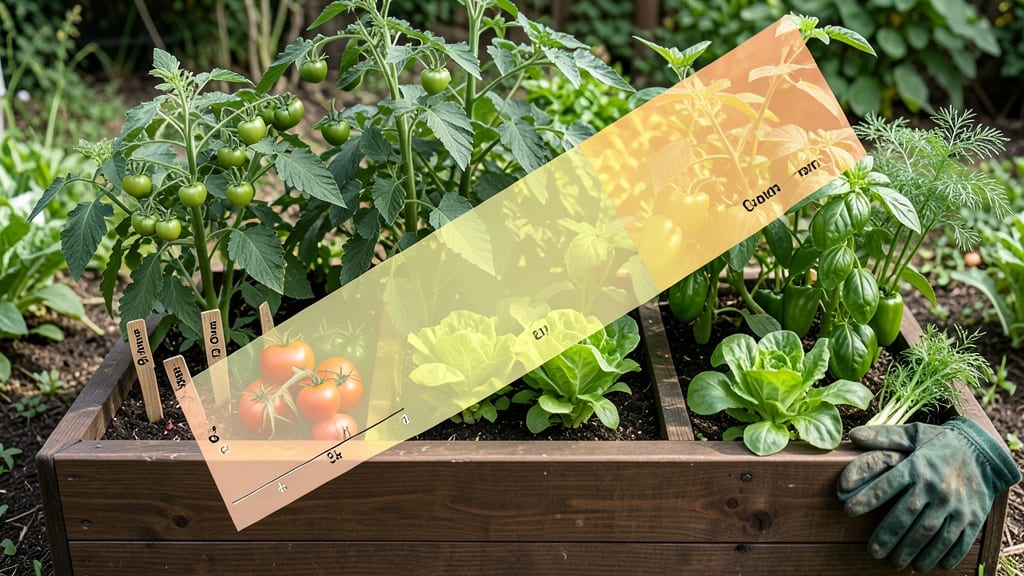
How much sun does a vegetable garden need? Most crops thrive with 6 to 8 hours of direct sunlight daily 🥕, but getting it right can make or break your harvest.
Picture this: you’ve spent weeks planting your dream garden, only to watch your tomatoes turn bitter or your lettuce bolt into flowers. Too much sun scorches leaves, while too little leaves you with stunted, sad plants.
The trick isn’t just counting hours—it’s matching sunlight to the right crop at the right time.
In this guide, I’ll break down exactly how much sun your vegetable garden needs, from sun-loving tomatoes to shade-tolerant greens, plus how to fix spots that are too hot or too dim. No more guesswork—just a clear, crop-by-crop plan to maximize your harvest.
Whether you’re working with a sunny backyard or a shady corner, you’ll learn how to tweak your garden’s layout, choose the best varieties, and even use simple tools to stretch sunlight where it’s needed most.

Sunlight requirements for vegetable gardens: full sun vs partial shade
Understanding your garden’s sunlight exposure is the first step to a thriving vegetable patch. Most vegetables need 6+ hours of direct sun daily to produce abundant yields, but some tolerate—or even prefer—partial shade (3-6 hours). Misjudging sunlight can lead to stunted growth, poor fruiting, or even plant death.
For example, tomatoes and peppers wilt in shade, while leafy greens bolt in scorching heat. Let’s break down the categories so you can place every plant perfectly.
First, full sun (6+ hours) is the gold standard for most vegetables, especially fruiting crops like tomatoes, cucumbers, and beans. These plants rely on intense sunlight to develop sweet flavors and robust structures.
However, partial shade (3-6 hours) works for leafy greens, herbs, and some root vegetables, preventing them from overheating. Low-light (<3 hours) is a last resort—only a few hardy crops survive there, like arugula or radishes.
Here’s a quick reference to visualize how sunlight impacts your garden’s layout and crop selection:
| Sunlight Category | Hours of Sun | Best Crops | Warning Signs of Stress |
|---|---|---|---|
| Full Sun | 6+ hours | Tomatoes, Peppers, Cucumbers, Corn, Eggplant | Yellowing leaves, poor fruiting, wilting |
| Partial Shade | 3-6 hours | Lettuce, Spinach, Kale, Green Onions, Radishes | Bitter taste, slow growth, leggy stems |
| Low-Light | Under 3 hours | Arugula, Radishes, Microgreens, Bush Beans (dwarf) | Stunted growth, pale leaves, no flowering |
If your garden gets more than 8 hours of sun, some vegetables—like leafy greens—will bolt (prematurely flower) and become bitter. To fix this, use shade cloth (30-50% coverage) during peak afternoon heat.
Conversely, if your space is shady, focus on fast-growing crops like radishes or bush beans, which mature before light becomes a limiting factor.
Regional variations matter too. In hot climates (e.g., Arizona, Southern California), partial shade may be ideal for tomatoes to prevent sunscald. Meanwhile, in cooler regions (e.g., Pacific Northwest), full sun is critical to ripen fruits fully.
Always observe your garden’s microclimate—south-facing spots get the most sun, while north sides stay shadier.
Watch for these red flags indicating sunlight issues: bleached or crispy leaves signal too much sun, while pale, yellowing foliage means insufficient light. For fruiting plants, poor sunlight leads to small, underdeveloped produce.
Adjust your layout by moving plants or adding shade structures as needed. Even a 5-foot-tall trellis can create shade for low-growing crops below.
Pro tip: Use a sunlight tracker for a week to map your garden’s exposure. Place a white board in different spots—shadows cast by fences or trees can drastically reduce light.
For example, a 6-foot fence might block 2+ hours of sun from reaching your pepper plants in the afternoon. Plan your garden’s layout around these shadows to avoid wasted space.
Don’t let shady spots discourage you—even 3 hours of sun can support a small harvest of leafy greens or herbs. The key is choosing the right crops and supplementing with grow lights or reflective mulch (like white gravel) to bounce extra light onto plants.
With the right approach, you can grow a productive garden in nearly any light condition.
Start by grouping your vegetables by sunlight needs. Place sun-lovers like tomatoes and peppers in the sunniest spots first, then fill partial-shade areas with greens and herbs. Over time, you’ll develop an intuition for how much sun each plant truly needs—leading to a bountiful, balanced harvest every season. 🌱
Best vegetables for low-light gardens: 10 crops that thrive with less sun
If your garden gets less than 6 hours of direct sunlight, don’t despair! Many vegetables thrive in partial shade or even low-light conditions. I’ve grown a thriving shade-tolerant garden for years, and these 10 crops consistently deliver—even under tree canopies or north-facing walls.
The key? Focus on leafy greens, root vegetables, and herbs that prioritize growth over fruiting.
Most sun-loving vegetables like tomatoes and peppers need full sun (6+ hours), but shade-tolerant varieties adapt beautifully to 3-6 hours of light. For true low-light gardens (under 3 hours), choose fast-growing, low-maintenance crops that maximize their energy in limited sunlight.
Pair them with compost-rich soil and consistent moisture to boost yields.
- Full Sun (6+ hours): Tomatoes, peppers, cucumbers, squash, corn, beans, eggplants
- Partial Shade (3-6 hours): Leafy greens (spinach, kale), lettuce, Swiss chard, radishes, carrots, beets, herbs (basil, parsley, cilantro)
- Low Light (<3 hours): Spinach, arugula, bok choy, scallions, microgreens, bush beans, peas, mustard greens
- Herbs for Shade: Cilantro, parsley, chives, mint, dill (avoid rosemary/thyme—they need sun)
- Root Crops: Radishes (30 days), carrots (50 days), beets (60 days) grow faster in cooler, shadier spots
My top 10 shade-friendly vegetables start with leafy greens, which grow quickly and tolerate partial shade. Spinach and arugula are my go-tos—they bolt slower in cooler, shadier conditions. For root vegetables, radishes mature in just 30 days and handle 3-4 hours of sun easily.
Pair them with bush beans, which fix nitrogen in the soil while thriving in 4-6 hours of light.
Don’t overlook herbs for shade—cilantro and parsley grow lushly under dappled sunlight. I’ve even grown bok choy in containers on a north-facing porch with just morning sun.
The trick? Fertilize lightly with compost and water consistently to compensate for reduced photosynthesis. Avoid overcrowding, as shade plants compete fiercely for light.
To maximize yield in low-light gardens, use companion planting. Pair leafy greens with slow-growing roots like carrots—the greens provide early shade for the roots, while the roots break up compacted soil.
Add mulch to retain moisture and keep soil temps cool. For containers or small spaces, choose bush varieties like bush beans or dwarf peas to save space.
If your garden gets less than 3 hours of sun, focus on fast-growing crops like microgreens or scallions. These deliver harvests in weeks with minimal light. For longer-term shade solutions, Swiss chard and mustard greens are hardy and productive, even in deep shade.
Just remember: avoid fruiting crops like tomatoes or peppers—they’ll produce tiny, poor-quality harvests without sufficient light.
With the right shade-tolerant crops and a few soil amendments, your low-light garden can be just as productive as a sun-drenched plot. Start with these 10 winners, and soon you’ll be harvesting fresh greens, roots, and herbs without needing a sunbathing spot. Happy shading! 🌱