Watering
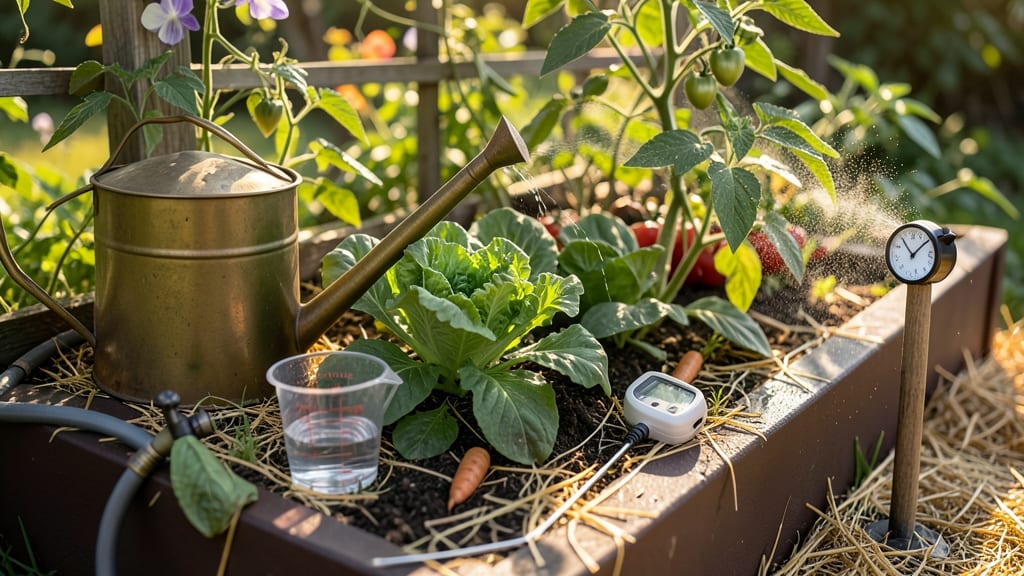
To water a vegetable garden properly, you need 1-2 inches of water per week—deep enough to reach the roots but not so much that it drowns them.
Overwatering or underwatering your 🥬 can turn your hard work into wasted effort—here’s how to master the perfect watering schedule using simple, science-backed soil moisture tests that keep your plants thriving.
Most gardeners guess, but guessing leads to soggy soil or wilting leaves. Instead, learn how to read your soil like a pro: stick your finger an inch deep—if it’s dry, it’s time to water.
Below, I’ll break down the exact watering needs for different crops, how to adjust for rain or heatwaves, and the tools that make watering easier—no more wasted water or struggling plants.
Best soil moisture tests to determine when vegetables need watering
Determining the perfect time to water your vegetable garden can feel like guessing—until you master a few simple soil moisture tests. Overwatering or underwatering both stress plants, stunt growth, and even invite pests.
The key is understanding your soil's moisture levels through practical, hands-on methods that align with your garden's unique conditions. Whether you're dealing with sandy soil that drains too quickly or clay soil that holds moisture for days, these tests will help you strike the right balance.
I’ve tested these methods in my own garden, and the finger-check method remains my go-to for quick assessments. It’s free, requires no tools, and gives you instant feedback on root-zone moisture. But for larger gardens or precise monitoring, a moisture meter can save time and reduce guesswork.
Let’s dive into the most effective tests, including how to interpret visual cues like wilting leaves or soil crusting, so you can water with confidence.
Soil type plays a massive role in how often you need to water. Sandy soil drains like a sieve, while loamy soil holds moisture just right, and clay soil can suffocate roots if overwatered. Below, I’ve compared the best tests based on your garden’s soil type and plant needs, so you can tailor your approach.
| Method | Best For | Soil Type | Frequency | Tools Needed |
|---|---|---|---|---|
| Finger Check | Quick daily checks | All types | Every 1-2 days | None |
| Moisture Meter | Large gardens | Sandy/Loamy | Weekly | Digital meter |
| Visual Cues | Early warnings | All types | Daily | None |
| Trowel Test | Deep root zones | Clay/Loamy | Every 3-4 days | Small trowel |
The finger-check method is my favorite for small gardens. Simply stick your index finger about 1-2 inches deep into the soil near your plants. If it feels dry at this depth, it’s time to water.
For leafy greens like lettuce or spinach, aim for consistently moist soil, while root vegetables like carrots or potatoes prefer slightly drier conditions to prevent rot. Pro tip: Check the soil in the morning after the dew has evaporated for the most accurate reading.
A moisture meter is a game-changer for larger gardens or when precision matters. These devices measure moisture levels electronically, often with color-coded readings. I use mine in my tomato and pepper beds, where consistent moisture is critical.
For sandy soil, you’ll likely see dry readings more often, while clay soil may show high moisture even after rain. Always calibrate your meter according to the manufacturer’s instructions for accurate results.
Don’t overlook visual cues from your plants—they’re nature’s way of communicating thirst. Wilting leaves are a classic sign of underwatering, but beware: some plants, like succulents or peppers, naturally wilt during the day and recover at night.
Overwatering signs include yellowing leaves, mold on soil, or plants that feel mushy when touched. I once killed a batch of basil by overwatering, and the leaves turned yellow before I realized the soil was waterlogged.
For deep-rooted plants like potatoes or squash, the trowel test works best. Dig a small hole about 6 inches deep and check the moisture level. If the soil is dry at this depth, water thoroughly to encourage roots to grow deeper.
This method is especially useful in loamy soil, which can hold moisture at varying depths. Pair it with mulching to retain moisture and reduce evaporation, which is a lifesaver in hot climates.
Adjust your watering frequency based on weather conditions and seasonal changes. During summer heatwaves, I water my garden every morning, while in cooler spring months, every other day suffices.
Always water deeply—aim for 1-2 inches of water per week—to encourage strong root development. Shallow watering leads to weak roots and stressed plants, no matter how often you water.
Remember, overwatering is just as harmful as underwatering. Excess moisture deprives roots of oxygen, leading to rot and fungal diseases like powdery mildew or blight. If you’re unsure, it’s better to underwater slightly and adjust as needed.
With these tests, you’ll develop an intuitive sense of your garden’s needs, ensuring your vegetables thrive without wasted effort.
Start with one or two methods that fit your garden’s size and soil type, then refine as you observe your plants’ responses. Happy gardening—and may your soil always be just right! 🌱💧
Watering schedule by vegetable type: how often each plant needs moisture
Not all vegetables crave the same amount of water—some leafy greens like lettuce and spinach need consistent moisture, while root crops like carrots and potatoes prefer drier conditions. Understanding these differences prevents wilting or rot.
For example, tomatoes and peppers thrive with deep, infrequent watering, while herbs like basil and cilantro need frequent light watering. Let’s break it down by plant type so you can tailor your watering routine for a thriving garden.
Start by grouping your vegetables into categories based on their water needs. Moisture-loving varieties like kale, cucumbers, and celery require 1-1.5 inches of water per week, while drought-tolerant plants such as zucchini, beans, and onions can survive with 0.5-1 inch of water.
Always adjust for your local climate—hot, dry summers demand more frequent watering, while cooler, rainy seasons may require less. Use a soil moisture meter or the finger test (stick your finger 1-2 inches deep) to check moisture levels before watering.
| Plant Type | Water Needs | Frequency | Notes |
|---|---|---|---|
| Leafy Greens (Lettuce, Spinach, Kale) | 1-1.5 inches/week | Every 2-3 days | Keep soil moist; avoid soggy roots |
| Root Crops (Carrots, Potatoes, Beets) | 0.5-1 inch/week | Every 3-5 days | Let soil dry slightly between waterings |
| Fruiting Plants (Tomatoes, Peppers, Cucumbers) | 1-2 inches/week | Every 2-4 days (deep water) | Water at base to prevent fungal diseases |
| Herbs (Basil, Cilantro, Parsley) | 0.5-1 inch/week | Every 2-3 days | Avoid waterlogging; prefer consistent moisture |
| Drought-Tolerant (Zucchini, Beans, Onions) | 0.5-1 inch/week | Every 4-7 days | Reduce watering in rainy seasons |
For leafy greens, aim for 1-1.5 inches of water per week, delivered through gentle, frequent watering. These plants wilt quickly when thirsty, so monitor their soil closely. Root crops, on the other hand, develop best in slightly drier conditions—overwatering can cause them to split or rot.
Water these plants deeply but infrequently, allowing the soil to dry out between sessions. Fruiting plants like tomatoes and peppers need consistent moisture, especially during flowering and fruiting stages. Water deeply at the base to encourage strong root growth and prevent blossom-end rot.
Herbs often get overlooked, but they have unique needs too. Basil and cilantro prefer consistent moisture but hate soggy soil—water them when the top inch feels dry. Meanwhile, drought-tolerant varieties like zucchini and beans can handle less frequent watering, making them ideal for busy gardeners.
Mulching around plants helps retain moisture and reduces evaporation, so consider adding a layer of straw or wood chips after planting. This simple step can cut your watering time in half while keeping roots cool and hydrated.
Adjust your schedule based on weather conditions and plant maturity. Young seedlings need more frequent watering to establish roots, while mature plants can handle longer intervals. During heatwaves, increase watering frequency but avoid wetting leaves to prevent disease. In cooler months, reduce watering to match the slower growth rate.
Always water in the early morning to allow foliage to dry before evening, reducing the risk of fungal infections like powdery mildew or blight. With this tailored approach, your vegetable garden will stay healthy and productive all season long.