
Watering
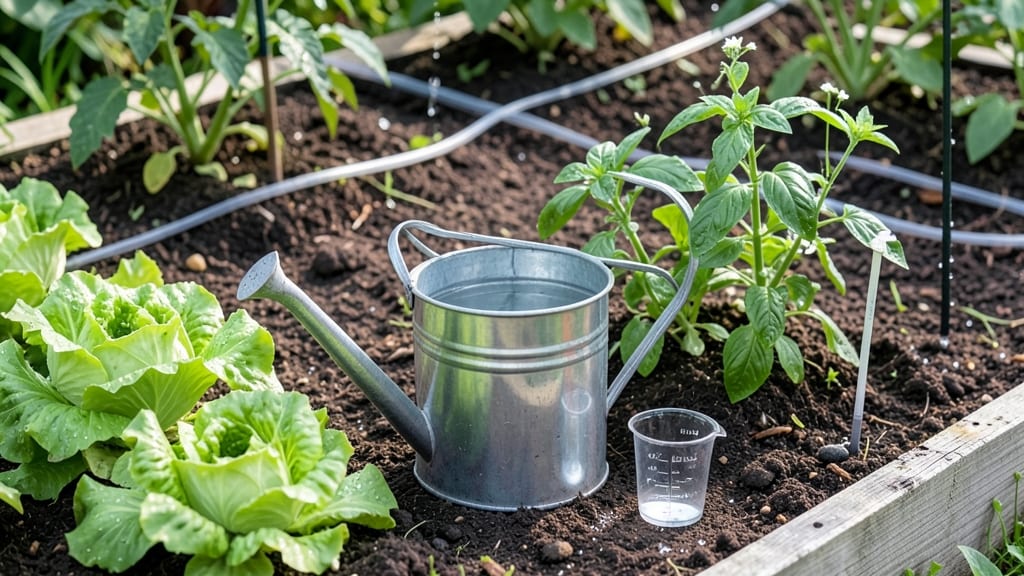
To water a vegetable garden properly, you’ll need about 1 to 2 inches of water per week—but timing, soil, and plant type change everything.
Overwatering or underwatering your 🥬 can mean the difference between a bountiful harvest and wasted effort—yet most gardeners guess rather than measure. Discover the exact daily water needs for your plants to maximize growth and minimize waste.
Leafy greens like lettuce and herbs need frequent, shallow watering, while tomatoes and peppers thrive with deeper, less frequent soaking. Soil type also plays a role: sandy soil drains fast, while clay holds moisture longer.
Below, I break down the ideal watering schedules by plant type, how to adjust for weather, and the best techniques to keep your garden thriving without wasting a drop.
Daily water requirements for common vegetable plants by type
Understanding the daily water needs of your vegetable garden is essential for healthy growth. Leafy greens, root vegetables, fruiting plants, and herbs all have different requirements based on their growth stages and environmental conditions.
For example, tomatoes and peppers need consistent moisture, while carrots and onions prefer drier soil. Let’s break down these needs by plant type to help you water efficiently.
Most vegetables thrive with 1 to 2 inches of water per week, but this varies based on factors like soil type, temperature, and sun exposure. Sandy soil drains quickly, requiring more frequent watering, while clay soil retains moisture longer.
High temperatures and full sun increase evaporation, so adjust your watering schedule accordingly. Below, you’ll find a detailed breakdown of water needs for each vegetable category.
| Plant Type | Examples | Daily Water Needs (inches) | Soil Moisture Target | Key Adjustments |
|---|---|---|---|---|
| Leafy Greens | Lettuce, Spinach, Kale | 0.5 - 1 inch | Consistently moist | Increase in heat; mulch to retain moisture |
| Root Vegetables | Carrots, Radishes, Beets | 0.5 - 1 inch | Moderately moist | Reduce water as roots mature; avoid soggy soil |
| Fruiting Plants | Tomatoes, Peppers, Cucumbers | 1 - 1.5 inches | Deep and consistent | Increase during flowering/fruiting; avoid wetting leaves |
| Herbs | Basil, Parsley, Cilantro | 0.5 - 1 inch | Moderately moist | Reduce water in winter; prefer well-draining soil |
Leafy greens like lettuce and spinach need frequent watering to stay crisp and avoid bolting. Aim for 0.5 to 1 inch of water daily during hot weather, especially in containers where soil dries out faster. These plants thrive in cool, moist conditions, so mulching helps retain moisture and keep roots cool. Overwatering can lead to yellowing leaves or fungal issues, so always check the top inch of soil before watering.
Root vegetables, including carrots and radishes, require moderate moisture but can tolerate slightly drier conditions once established. Too much water can cause them to split or rot, so focus on deep, infrequent watering. For example, water deeply every 2-3 days in sandy soil or every 4-5 days in clay soil. Always water at the base of the plant to avoid wetting the foliage.
Fruiting plants like tomatoes and peppers are heavy drinkers, especially during their flowering and fruiting stages. These plants need 1 to 1.5 inches of water per week, with deeper watering sessions rather than frequent shallow ones. Avoid wetting the leaves to prevent diseases like blight. In containers, check soil moisture daily, as potted plants dry out much faster than in-ground plants.
Herbs like basil and parsley have moderate water needs but prefer well-draining soil to prevent root rot. Water them when the top inch of soil feels dry, typically every 2-3 days.
During hot spells, increase frequency to daily watering, but reduce it in cooler months. Herbs grown in pots may need more frequent watering, especially in full sun conditions.
Adjust your watering based on weather conditions and plant maturity. For instance, young seedlings need more frequent watering to establish roots, while mature plants can handle slightly drier soil. Always water in the early morning to reduce evaporation and fungal risks.
Use a rain gauge or tuna can to measure water amounts accurately, ensuring you’re meeting your plants’ needs without wasting water.
Signs of underwatering include wilted leaves, dry soil, and stunted growth, while overwatering leads to yellowing leaves, mold, and root rot. Pay attention to these cues and adjust your watering schedule as needed. With the right approach, your vegetable garden will thrive, yielding healthy, flavorful produce all season long.
How to adjust watering based on soil type and weather conditions
Your vegetable garden’s water needs aren’t one-size-fits-all—they shift dramatically based on your soil type and local weather. For example, sandy soil drains water in hours, while clay soil holds moisture for days.
Even the same plant may need twice as much water in drought conditions versus a humid summer. Understanding these variables lets you tailor your watering schedule for healthier plants and less waste.
Start by testing your soil’s moisture retention. Dig a 6-inch hole after watering—if it’s dry at the bottom, your soil drains too quickly. If it’s still damp after 48 hours, it’s holding too much water.
This simple check helps you adjust your watering frequency and depth to match your garden’s unique needs.
⚠️ Warning: Overwatering vs. Underwatering
Signs of Overwatering: Yellowing leaves, mold on soil, or roots turning brown/mushy. Signs of Underwatering: Wilting even after watering, crispy leaf edges, or soil pulling away from pot edges. Both kill plants—check soil moisture daily during extreme weather!
In sandy soil, water penetrates fast but doesn’t stay long. Aim for deep, infrequent watering—soak the soil 6-8 inches deep every 2-3 days in summer.
For clay soil, water lightly but frequently to prevent compaction. A moisture meter ($10 at garden centers) takes the guesswork out of both.
Weather plays an even bigger role than soil. During drought conditions, increase watering by 30-50% and mulch heavily to retain moisture. In humid climates, reduce watering to avoid fungal diseases like powdery mildew.
Always water early in the morning to let foliage dry before evening—this prevents rot and pests.
Seasonal shifts demand adjustments too. In spring and fall, most vegetables need 1 inch of water per week. But in peak summer, even drought-tolerant plants like peppers may need 1.5-2 inches daily. Track rainfall with a rain gauge to avoid overwatering during downpours.
Pro tip: Group plants with similar needs together. Leafy greens like lettuce and spinach wilt fast in dry soil, while root veggies like carrots and beets tolerate slightly drier conditions. Use this zoning to simplify your watering routine and ensure no plant gets neglected.
By tuning your approach to soil type, weather patterns, and plant varieties, you’ll create a watering system that’s both efficient and effective—leading to a garden that thrives all season long. 🌱