
Watering
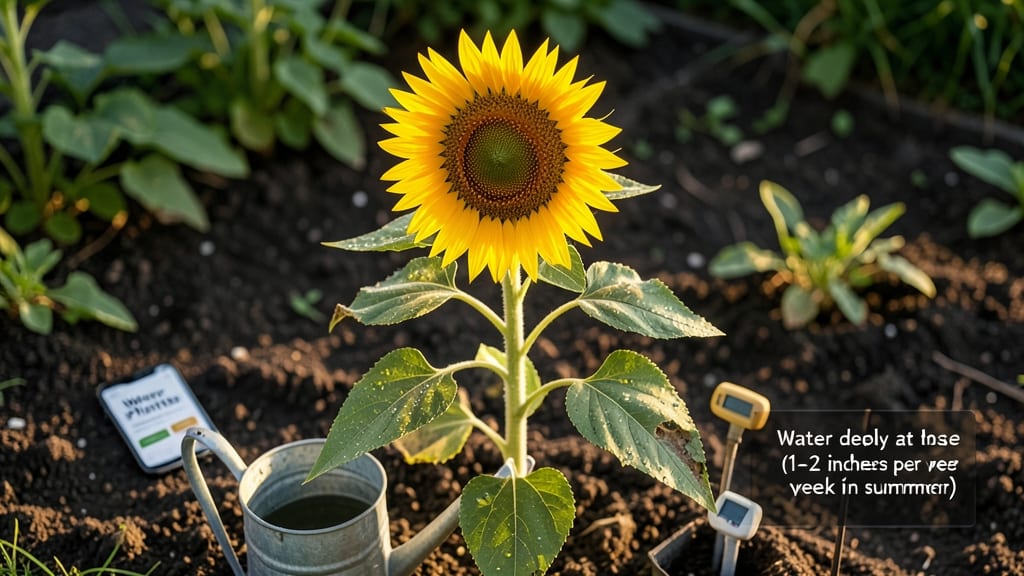
Watering your garden in summer the right way means giving it 1-2 inches of water per week—but timing and plant type make all the difference.
Summer heat turns your garden into a thirsty jungle—water too much, and you waste resources; too little, and your plants wilt. The secret? A science-backed watering schedule tailored to each plant’s needs.
Most garden plants 🌱—whether tomatoes, marigolds, or basil—thrive with deep watering in the morning, when roots soak up moisture before the sun evaporates it. But drought-tolerant succulents or mulch-heavy beds might need half as much, while leafy greens or new seedlings demand extra care.
Below, I break down the exact schedule by plant type, plus the 3 signs your garden is thirsty (or drowning), so you never guess again.
Summer watering schedule by plant type: exact days and times
Summer’s scorching sun turns your garden into a thirsty jungle, but not all plants drink the same amount. Vegetables like tomatoes need daily watering in extreme heat, while drought-tolerant herbs like rosemary survive on weekly soaks.
The key? Matching your watering schedule to each plant’s sun exposure, soil type, and maturity stage. Let’s break it down by category so you never over- or under-water again.
First, check your soil type—sandy soil drains fast, requiring frequent light watering, while clay holds moisture longer, needing deep but less frequent sessions. Morning watering (before 10 AM) is ideal: it reduces evaporation and fungal risks.
For container plants, water every 2-3 days since pots dry out faster. Now, let’s dive into the exact schedule for your garden’s stars.
📋 SUMMARY TABLE: SUMMER WATERING SCHEDULE BY PLANT TYPE
| Plant Type | Sun Needs | Water Frequency | Best Time | Drought Tip |
|---|---|---|---|---|
| Vegetables (Tomatoes, Peppers, Cucumbers) | Full Sun (6-8 hrs) | Daily (1-2 inches) | Early Morning | Mulch heavily; water roots deeply |
| Herbs (Basil, Cilantro, Parsley) | Partial Sun (3-6 hrs) | Every 2-3 days | Morning or Evening | Reduce watering; trim leaves |
| Flowers (Marigolds, Petunias, Zinnias) | Full Sun to Partial Shade | Every 3-4 days | Early Morning | Deadhead spent blooms; mulch |
| Drought-Tolerant (Lavender, Succulents, Rosemary) | Full Sun (6+ hrs) | Weekly (deep soak) | Late Morning | Avoid watering; let soil dry |
| Leafy Greens (Lettuce, Spinach, Kale) | Partial Shade (3-4 hrs) | Every 2 days (light water) | Evening | Shade cloth; water soil only |
| Fruiting Plants (Strawberries, Blueberries) | Partial Sun (4-6 hrs) | Every 2-3 days | Morning | Mulch with straw; water roots |
For vegetables like tomatoes, the rule is daily watering during heatwaves (90°F+). Aim for 1-2 inches of water per week, delivered at the base of the plant to prevent fungal diseases. Mulching with straw or wood chips retains moisture and keeps roots cool—a game-changer in summer.
If your soil feels dry 1 inch below the surface, it’s time to water.
Herbs like basil and cilantro wilt faster in heat but recover quickly. Water them every 2-3 days, focusing on the soil—not the leaves—to avoid mildew. Drought-tolerant plants like rosemary and lavender thrive on neglect: water once a week and let the soil dry completely between sessions.
Overwatering kills them faster than drought!
Flowers such as marigolds and zinnias need consistent moisture but hate soggy roots.
A 3-4 day watering schedule works well, but adjust if the soil cracks or leaves droop. Leafy greens like lettuce bolt (go to seed) in heat, so keep them lightly moist and shaded with a cloché or row cover during peak afternoon sun.
During drought conditions, cut back on watering by 30-50% and focus on deep watering every 7-10 days. Group plants with similar needs together to simplify your routine.
For example, plant tomatoes and peppers near each other so they share the same watering zone. This zone watering method saves time and prevents runoff.
Pro tip: Use a rain gauge or tuna can to measure water depth—your eye can fool you! Aim for 1 inch per week from rain or irrigation, adjusting for container plants (they need more frequent water) and mulched beds (they need less).
If your garden feels like a desert, it’s time to water deeply and let the roots drink their fill.
Watch for wilting leaves
5 Signs your garden needs water (and when to adjust your schedule)
Summer heat can turn your garden into a parched desert if you miss the signs. Plants communicate their needs through subtle cues—wilting leaves, dry soil, or drooping stems.
Ignoring these signals often leads to stressed plants or even death. The key is learning to read your garden’s watering cues before they become emergencies.
Overwatering is just as harmful as underwatering—it causes root rot and fungal diseases. I’ve learned the hard way that a consistent watering schedule isn’t enough; you must also watch for real-time plant stress signals. Here’s how to spot them and adjust your routine before damage occurs.
How Often to Water Garden in Summer
- 1.
- 2.
- 3.
- 4.
- 5.
First, check the soil moisture by pressing your finger into the top 1-2 inches. If it feels dry, your plants are signaling thirst. Drip irrigation or soaker hoses deliver water directly to roots, reducing waste and stress.
For container plants, I’ve found that weight-based watering (lifting pots to gauge dryness) works best.
Next, observe leaf color and texture. Yellowing leaves often mean overwatering, while brown, crispy edges signal underwatering. Herbs like basil and vegetables like lettuce wilt quickly in heat—revive them with a deep watering session in the early morning.
If leaves feel soft or mushy, you’ve overwatered and may need to reduce frequency.
During heatwaves (90°F+), adjust your schedule to daily watering for shallow-rooted plants. I’ve had success using mulch (straw or wood chips) to lock in moisture. For emergency fixes, create a shade cloth barrier to protect delicate plants until temperatures drop.
Always water at the base of the plant, not the leaves, to prevent fungal diseases.
Finally, pay attention to growth patterns. Healthy plants grow steadily, while stressed ones slow down or stop producing flowers/fruit. If your tomatoes or peppers stop bearing, it’s often a sign of inconsistent watering.
By tuning into these plant signals, you’ll create a thriving garden even in the hottest months. 🌱