How To
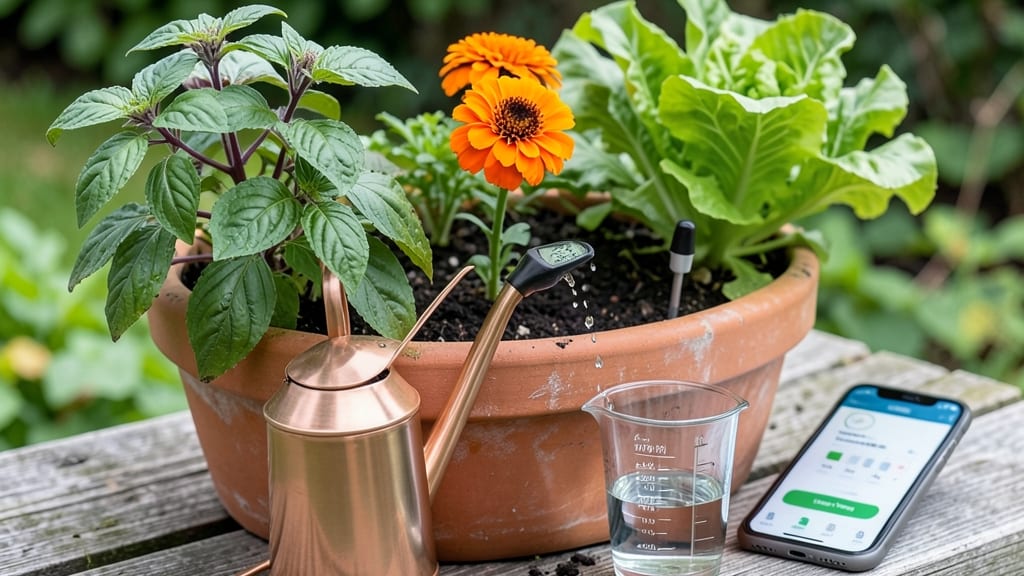
To water your garden the right amount, check the soil first—most plants need water only when the top 1-2 inches feel dry, not on a fixed schedule.
Overwatering kills plants faster than underwatering—yet most gardeners guess instead of checking. That’s why I developed a simple soil-check method that works for every plant, from vegetables to flowers, without wasting water or drowning roots.
This isn’t about memorizing rules for each plant type (though I’ll cover those later). The key is learning to read your soil’s moisture level like a pro—whether you’re in Zone 6a or a hotter climate. Skip the guesswork, and your garden will thrive with less effort.
Below, I’ll walk you through the 5-step soil check that saves time, prevents wilting, and keeps your 🌱 General Garden Plants happy year-round. No more soggy soil or thirsty leaves!
The 5-Step soil check method to water garden plants perfectly
Guessing when to water your garden is like playing a game of chance with your plants' health. Too much water drowns roots, while too little stresses them—both lead to stunted growth or even death.
The 5-step soil check method eliminates the guesswork by using your senses to determine exactly when your garden needs water. This method works for all soil types, from sandy desert gardens to heavy clay beds, and adapts to any climate.
I’ve used this technique for years, and it’s saved me from overwatering my tomatoes in summer and underwatering my lavender in droughts. The best part? It takes just 2 minutes per plant and requires no fancy tools—just your hands, eyes, and nose.
Let’s dive into the foolproof steps that will transform your watering routine from chaotic to precision-based.
-
Step 1: The Finger Test (1-2 inches deep)
Stick your index finger 1-2 inches into the soil near the plant’s base. If it feels dry and crumbly, it’s time to water. For sandy soil, check the top inch—it dries faster.
-
Step 2: The Squeeze Test (Clay or Heavy Soil)
Grab a handful of soil and squeeze it gently. If it holds its shape like a damp sponge, it’s moist enough. If it crumbles instantly, water immediately. Clay soil holds moisture longer—wait until it’s 50% dry.
-
Step 3: Visual Moisture Rings
Look for dry patches around the plant’s base. If the soil surface is cracked or powdery, water is needed. For container plants, check for lightweight pots—they dry out faster.
-
Step 4: The Smell Check (For Organic Soil)
Sniff the soil near the roots. A fresh, earthy scent means it’s hydrated. If it smells musty or sour, it’s overwatered. Compost-rich soil may smell richer but should never be rotten.
-
Step 5: Adjust for Plant Stage
Newly planted seedlings or transplants need watering every 2-3 days until established. Mature perennials may only need water every 7-10 days. Drought-tolerant plants (like succulents) should be checked weekly but watered sparingly.
Let’s break down why each step matters. The finger test is your first line of defense—it tells you the real moisture level beneath the surface, where roots actually drink. Many gardeners only check the top layer, which can be misleading, especially after a light rain.
For example, my roses in clay soil often look damp on top but are bone-dry 2 inches down.
Next, the squeeze test is a game-changer for heavy or compacted soil. I learned this trick from a master gardener after my hostas started rotting despite my best efforts.
The squeeze helps you avoid the overwatering trap—soil that feels moist on the surface but is actually anaerobic (lacking oxygen) at depth. Always pair this with the finger test for accuracy.
Don’t overlook the visual cues—your eyes can spot trouble before your plants show wilting. For instance, yellowing leaves on your peppers might signal underwatering, but brown leaf edges often mean overwatering or salt buildup.
I keep a small notebook to track when I see these signs, which helps me adjust my watering schedule before problems arise.
The smell test might sound odd, but it’s a red flag for overwatering. A sour or rotten odor means fungal growth or root rot is starting.
I once lost a blueberry bush because I ignored this sign—now I check the soil scent every time I water. Organic gardeners will love this step, as it helps them monitor soil health beyond just moisture.
Finally, adjusting for plant stages is critical. A newly transplanted tomato needs daily watering to establish roots, while a 5-year-old oak tree might only need watering once a month in summer. I use colored flags to mark young plants in my garden so I remember to check them more frequently.
This simple trick has cut my watering time in half while keeping every plant thriving.
Pro tip: Water in the early morning (before 10 AM) to reduce evaporation and fungal risks. If you must water in the evening, do it at least 3 hours before sunset to let foliage dry.
I’ve seen powdery mildew wipe out entire zucchini patches because of nighttime watering—don’t let that happen to your garden!
Mastering this method takes practice, but within a week, you’ll intuitively know when your garden needs water. Start with your most sensitive plants (like herbs or lettuce) and expand to the rest.
Soon, you’ll be watering like a pro, saving water, and growing a lush, healthy garden with minimal effort. 🌱
Watering frequency guide by plant type and season
Watering your garden isn't one-size-fits-all—vegetables thirst more than shrubs, and herbs hate soggy roots. Seasonal shifts also change the game: summer droughts demand daily checks, while winter dormancy lets you ease up.
Let’s break down how often to water each plant type, plus how to adjust for containers, climate, and seasonal extremes.
First, remember this rule: deep watering (1-2 inches per session) encourages roots to grow downward, while shallow sprinkles create weak, thirsty plants. For most gardens, watering in the early morning (before 10 AM) reduces evaporation and fungal risks.
Now, let’s get to the specifics—because your tomatoes won’t thank you for treating them like succulents.
Containers are the biggest game-changer—they dry out 3-5x faster than in-ground soil. If your herbs are in pots, check moisture daily in summer. Pro tip: Group containers together to create a microclimate that retains moisture longer.
For shrubs and perennials, focus on deep watering every 7-10 days in summer, then taper off as temps drop.
Seasonal shifts matter more than you think. In summer droughts, increase watering by 30-50% and mulch heavily to lock in moisture. For winter dormancy, reduce watering to monthly checks—unless you’re in a frost-free zone with sandy soil.
Always adjust for your local climate: humid areas need less frequent watering, while arid zones may require daily checks for young plants.
Here’s my foolproof trick: Stick your finger 1-2 inches into the soil. If it feels dry, water deeply. If it’s damp, wait another day. This beats guessing—and saves your tomatoes from the fate of overzealous watering. Start with this guide, then tweak based on your garden’s unique conditions.
💧