How To
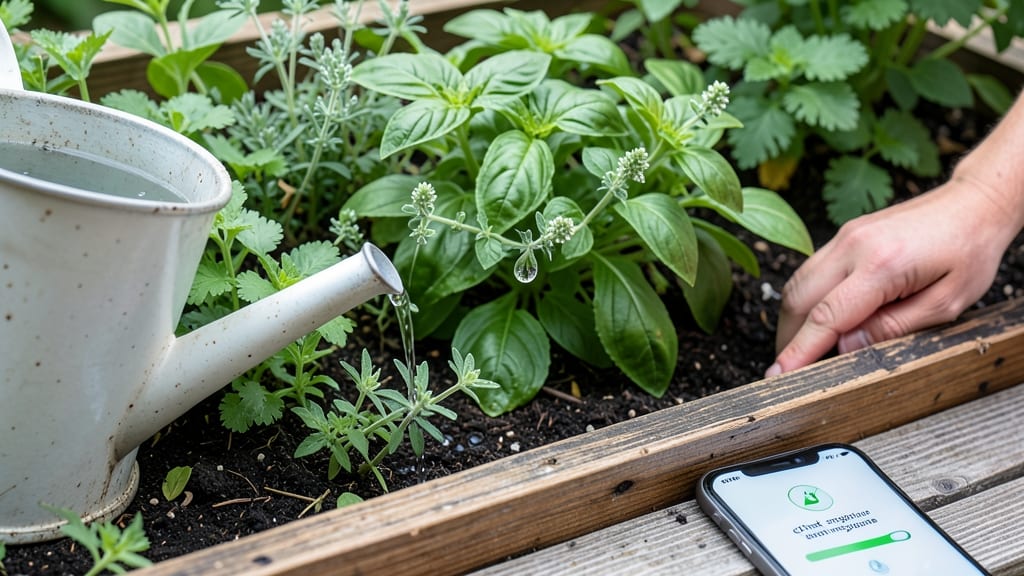
Watering your herb garden the right way means checking soil moisture at the 1-inch depth—this simple trick keeps your 🌿 basil and rosemary thriving without the guesswork.
Struggling to keep your herb garden thriving? Overwatering or underwatering can kill even the hardiest plants—so knowing exactly when to water is the secret to lush, flavorful herbs year-round.
Herbs like basil and parsley need frequent watering, while rosemary and thyme prefer drier soil. The key is adjusting your schedule based on soil type, container size, and even the season—no two herb gardens are the same.
Below, I’ll break down the perfect watering routine for your 🌿 herb garden, including how to tell if your plants are thirsty, the best times to water, and how to avoid common mistakes that waste water or damage roots.
Optimal watering frequency for herb gardens by soil type and climate
Watering your herb garden isn’t one-size-fits-all—it depends on soil type, climate conditions, and even the specific herbs you’re growing. Sandy soil drains too quickly, while clay soil holds moisture like a sponge, and loamy soil strikes the perfect balance.
Without the right approach, you’ll either drown your basil or watch your rosemary wilt from thirst. The key? A simple finger-depth moisture test and adjusting your schedule based on science-backed guidelines.
Most herbs thrive when the top 1-2 inches of soil feel dry to the touch but not bone-dry. This rule changes dramatically between hot desert climates (where you might water daily) and cool, humid regions (where you could go 5 days between waterings).
Below, I’ll break down the exact schedules for each soil type, plus how to tweak them for your local weather. Pro tip: Morning watering is always best—it reduces evaporation and fungal risks, so your herbs stay healthy and flavorful.
Let’s start with sandy soil, which drains faster than a sieve. Herbs like thyme and oregano in sandy conditions need watering every 1-2 days in hot weather—often daily in containers.
Stick your finger in the soil: if it feels dry at just 1 inch deep, it’s time to water. Mulching with straw can help retain moisture, but don’t overdo it—herbs hate soggy roots.
In cooler climates, you can stretch this to every 3-4 days, but always check before watering.
Now, loamy soil—the gold standard for herb gardens—holds moisture perfectly without suffocating roots. This is where most herbs, including basil and parsley, thrive with 2-3 days between waterings in heat. In humid climates, you might only need to water every 4-5 days.
The magic number here is 1.5 inches deep—if your finger comes out clean at that depth, your herbs are asking for a drink. Loamy soil is forgiving, but don’t let it dry out completely, or your herbs will bolt (flower prematurely) or lose flavor.
Clay soil is the trickiest because it’s like a waterlogged sponge—too much moisture leads to root rot, especially for drought-tolerant herbs like rosemary or sage. In hot climates, water every 3-4 days but only until the top 2 inches feel moist. In cooler weather, you can go 5-7 days between waterings. Pro move: Amend clay soil with compost to improve drainage before planting. If your herbs start wilting, it’s often a sign of overwatering, not underwatering—so always check the soil first!
Climate plays a huge role, too. In arid regions (think Arizona or California), even loamy soil may need daily watering in peak summer. I’ve seen basil turn crispy within hours if left unattended during a 100°F heatwave.
Conversely, in humid climates like the Pacific Northwest, you might only water every 5-7 days—fungal diseases are the bigger threat here. Always adjust based on weather forecasts: if rain is coming, hold off on watering.
And if you’re using drip irrigation, set timers for early morning to avoid evening moisture that invites pests.
Container gardens dry out 2-3x faster than in-ground beds, so they need extra attention. Even loamy soil in pots might require daily watering in summer. I recommend using self-watering containers
Signs your herb garden needs water (before it’s too late)
Your herb garden might look healthy on the surface, but subtle signs often signal hidden thirst. Ignoring these cues can lead to wilting leaves, stunted growth, or even plant death.
Unlike vegetables, herbs show stress quickly—so learning their silent SOS signals is key to keeping them vibrant and flavorful.
First, check the soil moisture by sticking your finger 1-2 inches deep. If it feels dry, your herbs are begging for water. But don’t rely solely on this—some herbs, like rosemary, prefer drier conditions, while others, like basil, need consistent dampness. Visual clues are just as important.
⚠️ WARNING: Common Mistakes That Kill Herbs ⚠️
Watch for drooping leaves—a universal sign of thirst. Unlike floppy stems from heat stress, water-deprived herbs feel crispy when touched. Mint and cilantro droop aggressively, while oregano may just look dull. Act fast: soak the soil until water runs out the drainage holes.
Another telltale sign? Dry, brittle stems. Run your thumb along the leaf veins—if they feel papery or pull away easily, your herbs are severely dehydrated. For container gardens, lift pots to check weight.
Dry pots need watering; heavy ones may be overwatered. Adjust your watering schedule based on pot size and herb type.
Don’t ignore soil color either. Dark, moist soil is ideal, but pale or powdery soil means it’s time to water. Top-dressing with mulch (like straw) retains moisture and regulates temperature. For in-ground herbs, mulch also suppresses weeds, reducing competition for water.
Remember: herbs recover faster from underwatering than overwatering. When in doubt, water less frequently but more deeply. Most herbs thrive with 1-2 inches of moisture in the root zone. Pay attention, and your flavorful harvest will thank you! 🌿