
How To
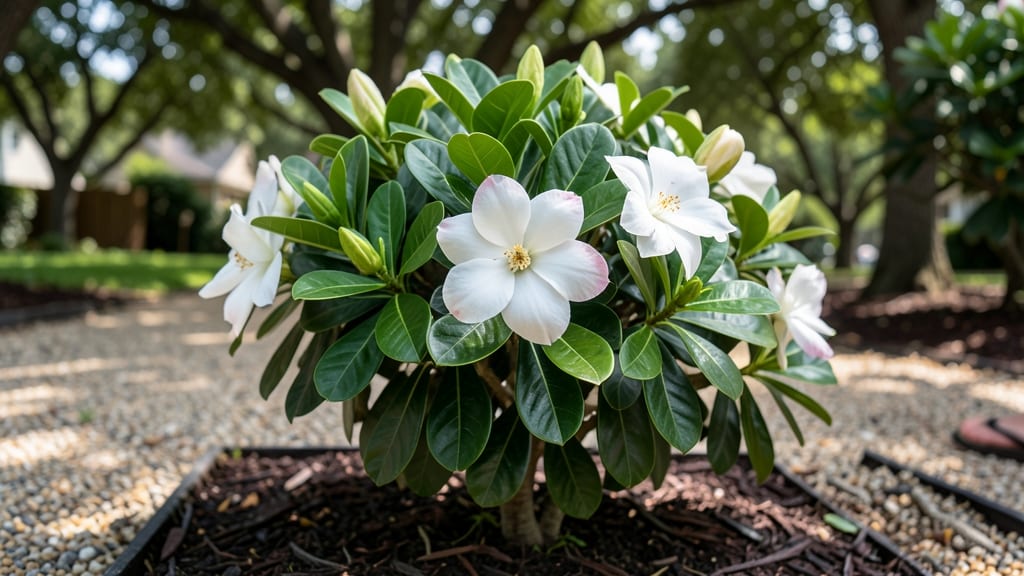
Gardenias can grow anywhere from 3 feet to over 6 feet tall, depending on the variety and how you prune them.
Picture this: You’ve just planted your dream gardenia 🌸, only to watch it shoot up like a jungle vine—unless you know the tricks to keep it at your desired height.
The good news? With the right pruning techniques and care, you can coax your gardenia to stay compact or even encourage it to reach its full towering potential.
Some varieties, like the popular Gardenia jasminoides, naturally top out around 4 to 6 feet, while dwarf types like 'Kleim’s Hardy' stay closer to 3 feet. The secret to controlling their height lies in understanding their growth habits and when to trim.
In this guide, I’ll break down how to prune for compact growth, avoid common mistakes that make gardenias grow too tall, and share tips to keep your plant healthy—no matter how big (or small) you want it to be.

Gardenia height by variety: from dwarf to towering giants
Gardenia plants are famous for their fragrant blooms, but their height can vary dramatically depending on the variety and growing conditions. While some stay compact and manageable, others can reach impressive heights if left unchecked.
The natural growth habit of gardenias is influenced by genetics, pruning practices, and environmental factors like sunlight and soil quality.
If you're planning your garden layout, knowing which gardenia varieties thrive at specific heights helps you choose the perfect fit. Some varieties remain under 3 feet, ideal for containers, while others can soar to 15 feet in optimal conditions.
Let’s explore the height ranges of popular gardenia types and what affects their growth.
| Variety | Mature Height Range | Growth Habit | Best For |
|---|---|---|---|
| 'Kleim’s Hardy' | 3–5 ft | Compact, bushy | Containers, small gardens |
| Gardenia jasminoides | 4–6 ft | Upright, spreading | Hedges, borders |
| 'Radicans' | 2–4 ft | Trailing, spreading | Baskets, ground cover |
| Gardenia augusta | 6–10 ft | Tall, tree-like | Large gardens, privacy screens |
| Gardenia thunbergia | 10–15 ft | Fast-growing, sprawling | Tropical landscapes, large estates |
The Gardenia jasminoides, often called the common gardenia, is the most popular variety for home gardens. It typically reaches 4–6 feet at maturity but can grow taller with ideal conditions. This variety thrives in USDA Zones 7–11, making it adaptable to many climates.
If you live in cooler regions, opt for cold-hardy cultivars like 'Kleim’s Hardy,' which stays under 5 feet and tolerates brief frost.
For those with limited space, dwarf varieties like 'Radicans' are perfect. This trailing type grows just 2–4 feet tall but spreads wide, making it ideal for hanging baskets or window boxes.
Its fragrant white flowers add a tropical touch without overwhelming your garden layout. If you're growing gardenias in containers, dwarf types are your best bet for maintaining manageable sizes.
On the other end of the spectrum, tall gardenia varieties like Gardenia augusta and Gardenia thunbergia can reach 10–15 feet in tropical climates. These are better suited for large gardens or as focal points. In warmer zones, they grow vigorously and may require regular pruning to control height.
If you're unsure about their growth potential, start with a smaller variety and monitor how it responds to your local climate.
Climate plays a huge role in gardenia height. In humid, tropical regions, gardenias grow faster and taller due to ideal growing conditions. However, in drier or cooler climates, their growth slows, often resulting in shorter, bushier plants.
For example, a Gardenia jasminoides in Florida might reach 6 feet, while the same variety in California could stay under 4 feet without extra care.
Soil quality also affects height. Gardenias prefer well-draining, acidic soil with a pH of 5.0–6.5. Poor soil can stunt growth or lead to leggy, weak plants that grow taller than desired.
Amending your soil with compost and peat moss ensures your gardenia gets the nutrients it needs to grow strong and compact. Always plant in a location with partial shade to prevent sunburn and encourage bushier growth.
Light exposure is another critical factor. While gardenias love bright, indirect light, too much direct sun can cause them to stretch toward the shade, resulting in taller, less bushy plants.
If you notice your gardenia growing lanky, it may need more shade or pruning to encourage a fuller shape. A simple fix is to move potted gardenias to a spot with morning sun and afternoon shade.
Pruning is the easiest way to control gardenia height. Regular pruning not only keeps your plant at your desired size but also promotes healthier blooms and denser foliage. The best time to prune is in late winter or early spring, just before new growth begins.
Always use sterilized shears to prevent disease, and avoid cutting into old wood, which may not regrow.
If you're growing gardenias in containers, their height is easier to manage because root growth is naturally restricted. However, even potted gardenias can outgrow their space if not pruned regularly.
For indoor gardenias, keep them near a bright window but away from drafts, which can stress the plant and lead to uneven growth. With the right care, even large varieties can
Pruning secrets to control gardenia height: step-by-step guide
Controlling your gardenia’s height starts with understanding its natural growth patterns. Left unchecked, gardenias can reach 6 to 15 feet tall, depending on the variety. However, with strategic pruning, you can shape them into compact, manageable shrubs or even small trees.
The key is timing, technique, and consistent care to maintain the size you desire.
Pruning at the right time is critical. I always prune my gardenias in late winter or early spring, just before new growth begins. This timing encourages fresh, healthy growth while avoiding the risk of frost damage.
Avoid pruning in fall or winter, as this can leave your plant vulnerable to cold and reduce next year’s blooms.
Before you begin, gather your tools: sterilized pruning shears, sharp bypass pruners, and a pair of gloves. Sterilizing your tools with rubbing alcohol prevents the spread of disease.
I also keep a small bucket of water nearby to clean my tools between cuts—this keeps everything sanitary and ready for the next trim.
Step-by-Step Pruning Guide for Gardenias
- 1 Identify the target height: Decide whether you want a compact bush (3–5 ft) or a taller shrub (6–10 ft). Mark your desired height with a stake or string for reference.
- 2 Remove dead or diseased branches: Start by cutting out any dead, yellowing, or diseased wood at the base. This improves airflow and plant health.
- 3 Shape for bushiness: To encourage a fuller plant, cut back 1/3 of the oldest stems to just above a leaf node. This stimulates new growth from the base.
- 4 Control height by topping: If your gardenia is too tall, make a horizontal cut above a leaf node to stop vertical growth. This redirects energy to side branches.
- 5 Deadhead spent blooms: Remove faded flowers by cutting the stem back to the nearest leaf. This prevents seed formation and encourages more blooms.
- 6 Fertilize after pruning: Apply a balanced fertilizer (10-10-10) 2–3 weeks post-pruning to support new growth. Water deeply to help roots absorb nutrients.
After pruning, your gardenia will need extra care to recover and thrive. I always water deeply every 3–5 days during the growing season, ensuring the soil stays moist but not soggy.
Mulch around the base to retain moisture and keep roots cool. Avoid overwatering, as this can lead to root rot.
Finally, monitor your gardenia’s growth throughout the season. If you notice it’s growing too quickly, a light trim in mid-summer can help maintain its shape. With consistent pruning and care, your gardenia will stay at your desired height while producing lush foliage and fragrant blooms all season long. 🌿✂️🌸