How To
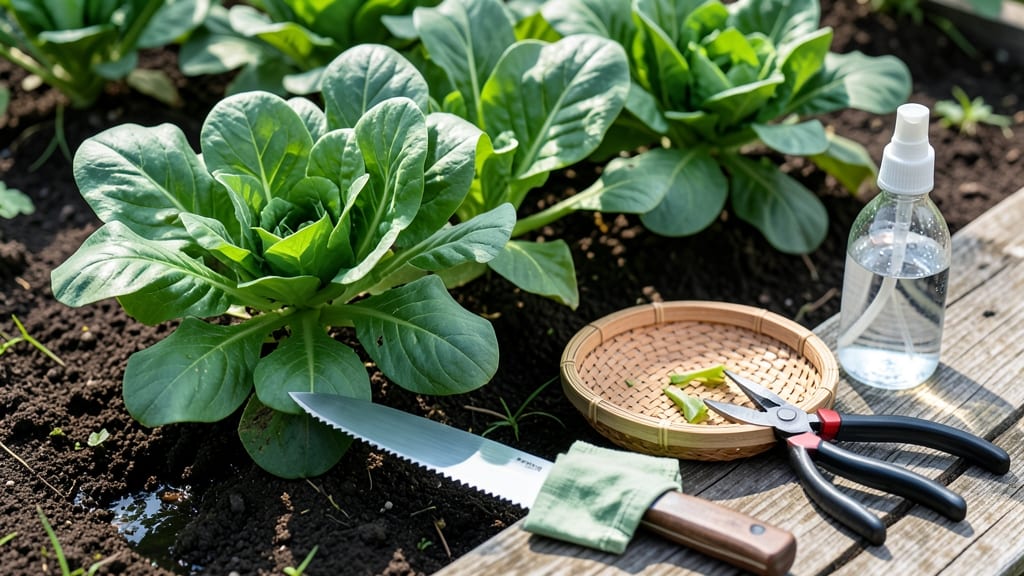
To harvest romaine lettuce from your garden at the perfect moment, look for crisp leaves and a hollow stem—this is when flavor and texture peak.
There’s nothing more frustrating than watching your crisp 🥬 romaine lettuce bolt or wilt before you can enjoy it—yet knowing exactly when and how to harvest ensures maximum flavor and texture.
If your stems feel hollow and leaves stay firm, you’re likely at the perfect moment for a harvest that keeps your garden thriving.
Timing is everything: harvest too early, and the leaves won’t be fully developed; too late, and the lettuce turns bitter. The key is catching it when the outer leaves are 6–12 inches long and the head is tight but still pliable.
This guide breaks down the best techniques to harvest without damaging the plant, so you can enjoy fresh, crisp romaine for weeks.
You’ll also discover how to encourage regrowth after cutting, so your lettuce keeps producing delicious leaves all season. Whether you’re a beginner or a seasoned gardener, these tips will help you get the most from your romaine lettuce harvest.
When to harvest romaine lettuce: signs of perfect readiness
Harvesting romaine lettuce at the right time ensures crisp, flavorful leaves instead of bitter, overmature heads. The ideal harvest window occurs when plants are 50-70 days old, but visual cues matter more than age alone. Look for hollow stems and deep green, upright leaves—these are your key indicators.
Romaine lettuce is ready when the outer leaves reach 6-12 inches and form a tight, compact head. If you wait too long, the stems become woody, and the leaves lose their crisp texture. Conversely, harvesting too early means small, underdeveloped leaves with less flavor.
Here’s how to spot perfect readiness:
Avoid harvesting romaine when leaves are pale or yellowing, as this signals stress or overmaturity. Similarly, soft stems mean the plant is too young, while woody stems indicate it’s past its prime. The best time of day to harvest is early morning when leaves are cool and crisp.
Heat stress or drought can cause romaine to bolt prematurely, sending up a tall flower stalk. To prevent this, keep soil consistently moist and provide partial shade during hot afternoons. Mulching with straw helps retain moisture and keeps roots cool.
For continuous harvests, cut outer leaves first and leave the inner core intact. This encourages regrowth and extends your harvest season. If you’re growing romaine in containers, monitor soil moisture closely—potted plants dry out faster and may bolt sooner.
Over-mature romaine develops bitter, tough leaves and a hollow, woody core. If this happens, the entire head is usually unusable. To avoid this, harvest frequently and thin seedlings early to give remaining plants more space and nutrients.
After harvesting, rinse leaves gently under cool water and pat dry to remove excess moisture. Store in a plastic bag with a paper towel to absorb humidity, or keep whole heads in the fridge for up to 10 days. For longer storage, blanch and freeze individual leaves.
Pro tip: If your romaine starts to bolt, cut the flower stalk immediately to redirect energy back to the leaves. This won’t save the head, but it may encourage new growth from the base.
🥬
Step-by-step romaine lettuce harvesting techniques for maximum yield
Harvesting romaine lettuce at the right time ensures crisp, flavorful leaves while keeping your plant healthy for future harvests. The key is timing—wait until the outer leaves reach 6-12 inches and the stem feels hollow when gently squeezed.
This balance guarantees your lettuce is mature but still tender, not bitter or woody. Avoid harvesting in extreme heat or cold, as these conditions stress the plant and reduce quality.
Before you begin, gather your harvesting tools: a sharp pruning shears or knife, a clean bowl or basket for storage, and a small spray bottle with water to keep leaves fresh.
Work on a cool, cloudy day to prevent wilting, and always wash your tools with soapy water beforehand to avoid contaminating your crop. This preparation step is crucial for maintaining hygiene and extending the shelf life of your harvest.
How to Harvest Romaine Lettuce from Garden
-
Step 1: Choose Your Method
Decide whether to harvest whole heads or individual leaves. For whole heads, cut at the base with a sharp knife at a 45-degree angle. For individual leaves, grasp the outer leaves near the base and gently twist or cut them off, leaving the inner rosette intact. -
Step 2: Use the Right Tools
Always use clean, sharp tools like pruning shears or a knife to avoid crushing stems or spreading disease. Dull tools cause ragged cuts, which invite rot and pests. Disinfect tools with a 10% bleach solution between plants if harvesting from multiple areas. -
Step 3: Harvest at the Right Time
Harvest in the morning after dew dries for maximum crispness. Avoid harvesting when soil is waterlogged or during peak sunlight hours, as this causes leaves to wilt quickly. Look for tightly packed heads with vibrant green leaves—this is your cue for the perfect harvest. -
Step 4: Handle with Care
Place harvested lettuce in a shaded, cool spot immediately after cutting. Avoid stacking leaves, as this bruises them and shortens shelf life. If storing for later, wrap leaves in a damp paper towel and place them in a plastic bag with holes for ventilation. -
Step 5: Encourage Regrowth
After harvesting, trim the plant back by 1-2 inches above the soil line to stimulate new growth. Water thoroughly and apply a balanced fertilizer (10-10-10) to support recovery. With proper care, romaine lettuce can produce 2-3 harvests in a season, extending your yield significantly.
Once you’ve harvested your romaine, post-harvest care is just as important as the harvest itself. Rinse leaves gently under cool water to remove dirt, then pat dry with a clean towel to prevent moisture buildup.
Store harvested lettuce in the crisper drawer of your refrigerator, wrapped in a damp paper towel, where it will stay fresh for up to 7-10 days. For longer storage, consider blanching and freezing, but this method works best for cooking rather than fresh salads.
If you’re harvesting individual leaves to encourage regrowth, focus on the outer leaves first. This method allows the inner leaves to continue growing while you enjoy fresh lettuce over time.
Just be sure to leave at least 3-4 inches of growth remaining on the plant to avoid stunting future harvests. With this approach, you can enjoy a steady supply of romaine throughout the growing season without sacrificing plant health.
Remember, the goal is to balance harvest frequency with plant recovery. Over-harvesting weakens the plant and reduces future yields, while under-harvesting leads to bolting or bitter flavors. By following these steps, you’ll maintain a thriving romaine lettuce plant that keeps producing crisp, delicious leaves all season long. Happy harvesting! 🥬