
Pests
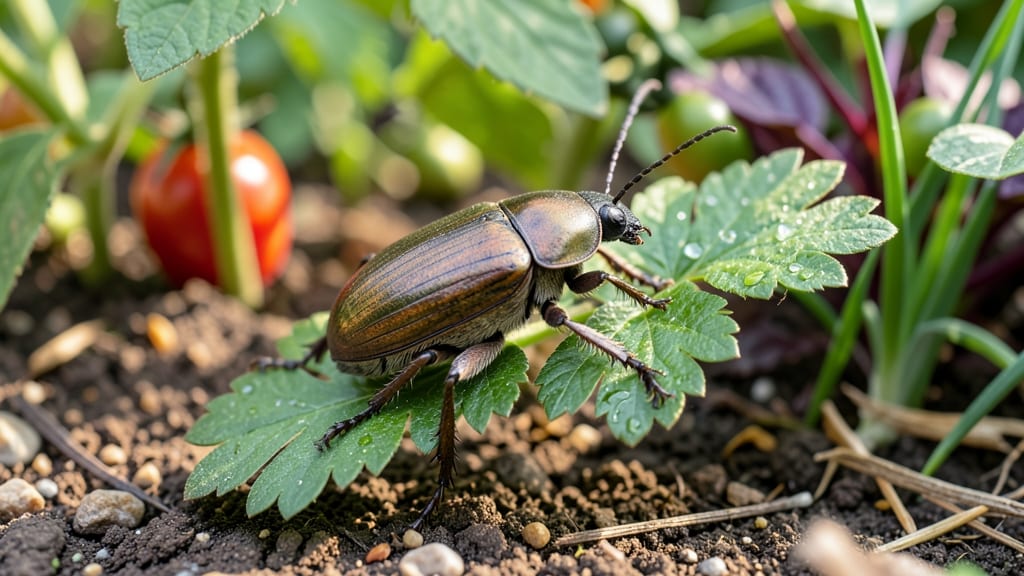
Keeping insects away from your garden doesn’t require toxic sprays or expensive traps—just the right natural strategies applied at the right time.
Picture this: You’ve spent weeks nurturing your garden, only to wake up one morning and find your tomatoes skeletonized by hornworms or your roses riddled with aphids.
The good news? Many of the most effective solutions are already growing in your yard—or you can whip them up in 10 minutes with kitchen staples.
From companion planting that confuses pests to homemade sprays that disrupt their life cycles, these methods protect your plants while keeping your family and pets safe. No more guessing which tricks actually work—just science-backed tactics that deliver real results.
Below, I’ll walk you through the top repellents, how to apply them for maximum impact, and the common mistakes that turn good intentions into wasted effort. Let’s get started.
Top 7 natural insect repellents for gardens (backed by science)
When pests invade your garden, you don’t need to rely on harsh chemicals to protect your plants. Science-backed natural insect repellents offer effective, eco-friendly alternatives that keep your garden thriving without harming beneficial insects or the environment.
These solutions leverage plant-based compounds and proven techniques to deter common garden pests like aphids, mosquitoes, and beetles.
From neem oil to companion planting, these methods work by disrupting pests' life cycles, masking plant scents, or creating physical barriers. The best part? Most are easy to find or grow right in your own backyard.
Let’s explore the top 7 natural repellents and how to use them for maximum effectiveness.
Below is a quick reference table to help you choose the best natural insect repellent for your garden’s specific needs:
| Repellent | Target Pests | How It Works | Best For |
|---|---|---|---|
| Neem Oil | Aphids, Whiteflies, Beetles, Fungus | Disrupts insect hormones and growth | Vegetable gardens, houseplants |
| Garlic Spray | Aphids, Mosquitoes, Spider Mites | Strong odor repels pests; contains allicin | Herb gardens, fruit trees |
| Diatomaceous Earth | Ants, Slugs, Beetles, Crawling Insects | Microscopic particles dehydrate pests | Soil treatment, perimeter barriers |
| Essential Oils (Peppermint, Citronella, Eucalyptus) | Mosquitoes, Flies, Ants | Overpowering scent masks plant attractants | Outdoor seating areas, garden borders |
| Companion Planting (Marigolds, Basil, Nasturtiums) | Aphids, Tomato Hornworms, Mosquitoes | Confuses pests with mixed scents | Vegetable plots, flower beds |
| Chili Pepper Spray | Caterpillars, Beetles, Rabbits | Capsaicin irritates pests' mouths | Tomato plants, pepper gardens |
| Beer Traps | Slugs, Snails | Attracts pests to drown in liquid | Perennial beds, vegetable gardens |
Neem oil is one of the most versatile natural repellents, derived from the seeds of the neem tree. It works by disrupting the life cycle of insects, making it effective against soft-bodied pests like aphids and whiteflies. To use, mix 1 tablespoon of neem oil with 1 quart of water and a few drops of dish soap as an emulsifier. Spray this solution directly on affected plants, focusing on the undersides of leaves where pests hide. Reapply every 7-14 days or after rain.
For garlic spray, blend 2-3 cloves of garlic with 1 quart of water and let it steep overnight. Strain and spray the liquid on plants, especially during early morning or evening to avoid harming beneficial insects like bees.
Garlic’s allicin compound repels pests while being completely safe for humans and pets once dried. This method is particularly effective for mosquitoes and aphids in herb gardens.
Diatomaceous earth (DE) is a fine, powdery substance made from fossilized algae. It’s a physical barrier that dehydrates insects by damaging their exoskeletons. Sprinkle a thin layer around plant bases, along garden edges, or directly on soil. Reapply after watering or rain, as DE loses effectiveness when wet. It’s especially useful for crawling pests like ants and slugs but must be kept dry to work.
Essential oils like peppermint, citronella, and eucalyptus are potent natural insect repellents that mask the scents plants give off to attract pests. Mix 10-15 drops of essential oil with 1 cup of water and a teaspoon of soapy water to help it stick. Spray on garden borders or around outdoor seating areas to keep mosquitoes and flies away. These oils are also great for homemade pest control sprays when diluted properly.
Companion planting is a time-tested method where you strategically plant certain species together to repel pests. For example, marigolds deter nematodes and aphids, while basil protects tomato plants from flies and mosquitoes. Interplanting nasturtiums with vegetables like cucumbers can lure aphids away from your main crops. This approach not only repels pests but also improves soil health and plant growth.
Chili pepper spray is a spicy solution for deterring chewing insects like caterpillars and beetles. Blend 2-3 fresh chili peppers with 1 quart of water, strain, and add a teaspoon of dish soap. Spray directly on pests or
How to apply natural repellents for maximum effectiveness
Applying natural repellents correctly makes all the difference between a half-hearted effort and a pest-free garden. The key lies in understanding when, where, and how to apply these solutions for the best results.
Unlike chemical sprays that offer quick but temporary fixes, natural repellents require patience and precision. I’ve found that timing—especially in relation to pest activity and plant cycles—is everything.
Start by assessing your garden’s most vulnerable spots. Are aphids clustering on new tomato leaves? Are slugs targeting your hosta plants at night? Identifying these hotspots helps you tailor your approach.
For example, neem oil works best when applied evening to aphids, while diatomaceous earth needs dry conditions to be effective. The goal isn’t just to repel pests but to create an environment where they can’t thrive in the first place.
Choose Your Repellent
Select based on the pest type and plant vulnerability. For soft-bodied insects like aphids, use neem oil or soapy water. For crawling pests like slugs, opt for copper barriers or crushed eggshells. Companion plants like marigolds or basil deter pests naturally when planted nearby.
Prepare Your Solution
Mix repellents according to instructions. For a garlic spray, blend 5 chopped garlic cloves with 1 quart of water and 1 tsp of castile soap. For essential oils, dilute 10 drops of peppermint or lavender oil in 1 cup of water. Always shake well before applying to ensure even distribution.
Apply at the Right Time
Spray repellents early morning or late evening to avoid harming beneficial insects like bees. For soil treatments, apply after watering to help the solution penetrate. Reapply every 7-10 days or after rain, as natural repellents break down quickly.
Use Companion Planting
Plant repellent herbs like basil, mint, or dill near vulnerable plants. For example, nasturtiums repel aphids from roses, while garlic chives deter Japanese beetles. Space them evenly for maximum coverage.
Monitor and Adjust
Check your garden daily for new pest activity. If pests return, rotate repellents or increase frequency. For example, switch from neem oil to pyrethrin-based sprays (derived from chrysanthemums) if aphids persist. Keep a garden journal to track what works best.
Don’t overlook the power of preventative measures. Healthy plants are naturally more resistant to pests. I’ve seen mulching with straw or compost reduce slug populations by 70% because it eliminates their hiding spots.
Similarly, pruning overgrown branches improves airflow, making it harder for pests to hide. Combine these tactics with your repellents for a multi-layered defense.
Seasonal timing is critical. In spring, focus on soil treatments like beneficial nematodes to target larvae before they emerge. During summer, prioritize foliar sprays to combat heat-stressed pests.
In fall, clean up debris to remove pest habitats. By aligning your repellent schedule with the pest life cycle, you’ll stay one step ahead.
Finally, remember that natural repellents are safest for pets and children when used correctly. Always store solutions out of reach and rinse produce thoroughly before eating. With consistency, your garden will thrive without the need for harsh chemicals—just patience, observation, and a little elbow grease. 🌱