
Planting
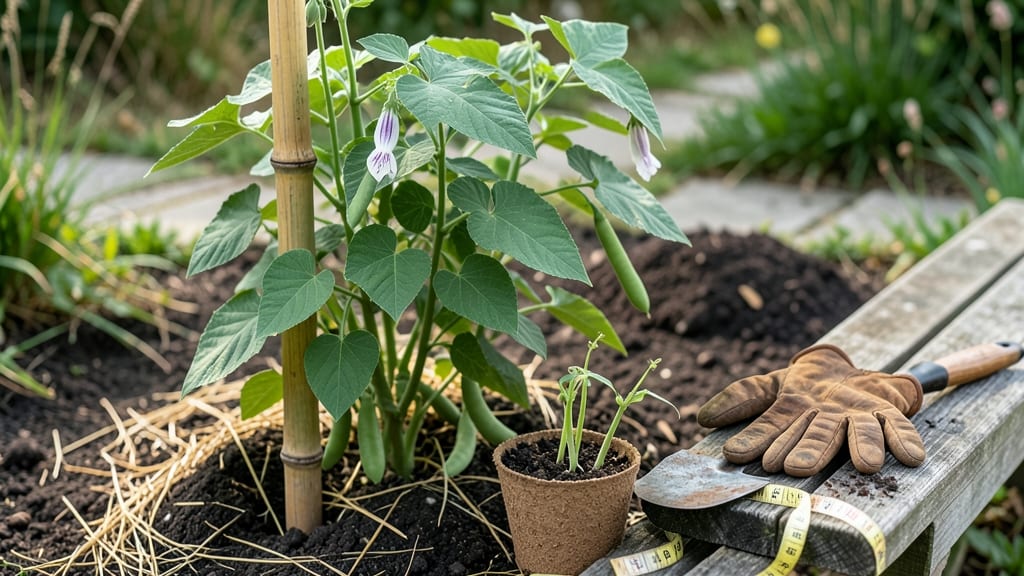
To plant string beans in a garden, start with well-drained soil and full sun—these fast-growing climbers reward patience with a harvest that tastes fresher than anything from the store.
Picture this: you’ve waited all spring, and now your garden is finally ready for planting. But without the right spacing and support, those slender vines will sprawl instead of soaring, leaving you with a tangled mess instead of a bountiful harvest.
The secret lies in how you set them up from day one.
String beans 🌱 thrive in USDA Zone 6a and beyond, but timing matters—wait until after your last frost (usually mid-April in most regions) to avoid stunted growth. With just a few simple steps, you’ll transform your garden into a vertical bean factory, complete with pods ready to pick by summer.
Below, I’ll walk you through the exact spacing, depth, and support tricks that turn good plantings into great ones—plus how to troubleshoot common mistakes before they happen.


Step-by-step guide to planting string beans for maximum yield
String beans are a gardener’s dream—they’re fast-growing, productive, and thrive in most climates. But to unlock that maximum yield, you need to start with the right soil prep and planting technique.
I’ve learned the hard way that skipping these steps can lead to stunted plants or fewer pods. Let’s dive into the exact method that’s helped me grow bountiful harvests every season.
Timing is everything with string beans. Plant them too early, and cold soil will delay germination. Too late, and you’ll miss the optimal harvest window. In most regions, aim to plant seeds 1-2 weeks after your last frost date, when soil temperatures reach at least 60°F (15°C).
This ensures your seeds sprout quickly and grow vigorously from day one.
How to Plant String Beans in a Garden
- 1 Choose the Right Location: Pick a spot with full sun (6-8 hours daily) and well-draining soil. Avoid low-lying areas where water pools.
- 2 Test and Amend Soil: String beans prefer slightly acidic to neutral soil (pH 6.0-7.0). Mix in 2-3 inches of compost or aged manure to enrich the soil before planting.
- 3 Plant Seeds at the Right Depth: Sow seeds 1 inch deep, spacing them 3-4 inches apart in rows that are 18-24 inches apart. This gives roots room to spread without overcrowding.
- 4 Water Gently After Planting: Keep soil moist but not soggy during germination. Use a fine mist or drip irrigation to avoid displacing seeds. Water at the base of plants, not overhead.
- 5 Add Support Early: Install trellises, cages, or stakes as soon as plants reach 6 inches tall. This prevents vines from sprawling and improves airflow, reducing disease risk.
- 6 Thin Seedlings if Needed: If seedlings grow too close (less than 2 inches apart), thin them to 3-4 inches apart to avoid competition. Snip excess seedlings at soil level with scissors.
One of the biggest mistakes I’ve seen beginners make is planting seeds too deep. While string beans can handle a 1-inch depth, going deeper than 1.5 inches can delay germination or even prevent sprouting.
Always double-check your depth with a small ruler or your finger to ensure consistency across your garden bed.
After planting, monitor your soil moisture closely. String beans need consistent watering, especially during their first 4-6 weeks of growth. I’ve found that mulching with straw helps retain moisture and keeps roots cool. Just be sure to keep mulch 2-3 inches away from plant stems to prevent rot.
Germination typically takes 7-14 days, depending on soil temperature. If you’re in a cooler climate, consider using black plastic mulch to warm the soil and speed up the process.
Once seedlings emerge, thin them to the strongest 2-3 plants per foot to ensure they have enough nutrients and space to thrive.
Early care focuses on sunlight, water, and support. If your plants start to lean or sprawl, it’s a sign they need additional support. I recommend using 5-foot tall trellises for vining varieties, as this not only saves space but also makes harvesting easier.
For bush varieties, cages or stakes work perfectly.
Finally, keep an eye out for pests like Mexican bean beetles or diseases such as rust. Catching issues early—like yellowing leaves or holes in pods—can save your entire crop. A simple neem oil spray or companion planting with marigolds often does the trick.
Optimal spacing and support systems for string beans: a visual comparison
Proper spacing and support are critical for string beans—these vining plants need room to breathe and climb to produce their best yields. Crowded beans struggle with airflow, leading to fungal diseases, while inadequate support causes pods to rot on the ground.
Whether you're working with a small balcony or a large backyard, choosing the right system maximizes your harvest.
String beans thrive with 3-4 inches of space between plants in rows spaced 18-24 inches apart. This spacing ensures sunlight penetration and reduces competition for nutrients. For bush varieties, you can tighten spacing to 2-3 inches between plants, but vining types need more room to sprawl or climb.
Let’s compare the best support options for different garden setups.
| Support Type | Best For | Spacing Needs | Pros | Cons |
|---|---|---|---|---|
| Trellis | Vining varieties, small gardens | 18-24" rows, 3-4" apart | Vertical growth saves space, improves airflow | Requires sturdy structure, may need pruning |
| Cages (5-6 ft tall) | Bush or semi-bush varieties | 12-18" rows, 2-3" apart | Easy to install, contains sprawling growth | Less vertical growth than trellises, may need reinforcement |
| Individual Stakes (5-6 ft) | Large gardens, scattered planting | 18-24" rows, 3-4" apart | Low maintenance, good for loose soil | Less efficient for high-density planting |
| No Support (Ground Planting) | Bush varieties, small patches | 12-18" rows, 2-3" apart | No setup required, good for containers | Pods touch soil (higher rot risk), lower yields |
For small gardens or container growing, a trellis is my top recommendation. It maximizes vertical space while keeping pods off the ground, reducing disease risk. Install a 5-6 foot tall trellis and train vines upward using soft twine.
This method works beautifully in raised beds or along fences, saving precious ground space for other crops.
If you’re growing bush varieties, opt for 5-6 foot cages or let them sprawl on mulch. Bush beans don’t need support, but cages prevent pods from touching damp soil, which can cause rot.
Place cages 12-18 inches apart in rows spaced 18 inches apart to allow easy access for harvesting.
For large gardens, individual stakes are a practical choice. Drive 5-foot bamboo stakes into the soil at planting time, securing vines with soft ties as they grow.
This method works well in loose or sandy soil where trellises might tip over. Just ensure stakes are deeply embedded (at least 12 inches) for stability.
Remember, airflow is key—never let plants touch each other or the trellis. Prune any tangled vines to maintain circulation and prevent fungal issues like rust or powdery mildew. With the right spacing and support, your string beans will thrive, producing pods all season long.