
Tools
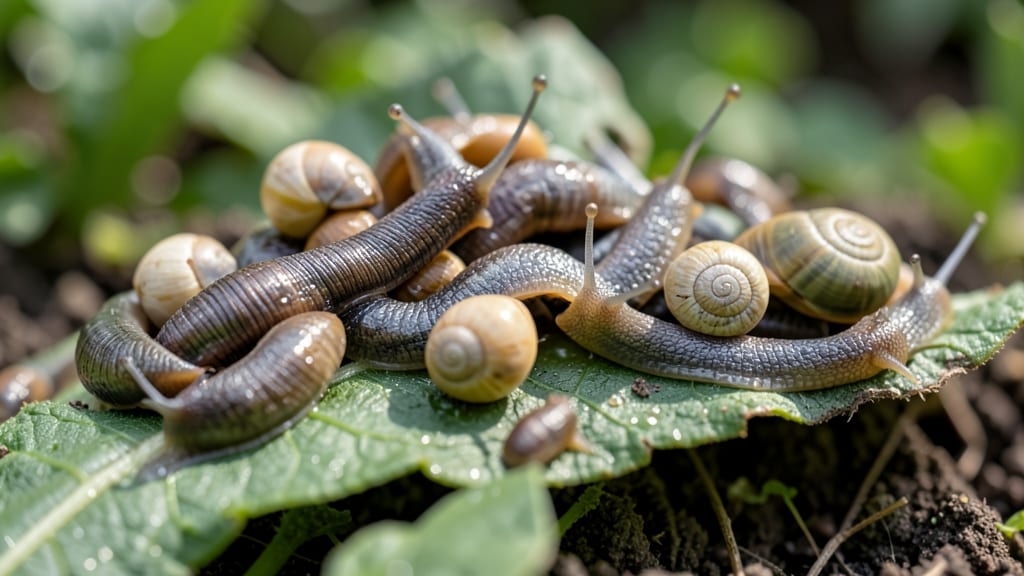
Ridding your garden of slugs and snails doesn’t have to mean endless battles with toxic chemicals—there’s a fast, natural solution that works in just 24 hours.
Waking up to chewed leaves and missing seedlings is every gardener’s nightmare—🐌 these slimy pests can destroy your hard work overnight. But the right trap or barrier can turn the tide without harming your plants or the planet.
Slugs and snails thrive in damp, shady spots, which means they’re likely lurking in your garden right now. The key is catching them when they’re most active—usually after dark—and using methods that don’t rely on harmful sprays.
In this guide, I’ll show you the most effective beer trap technique, plus natural alternatives like copper tape and organic sprays. You’ll also learn why some traps fail and how to fix them for good.
The ultimate beer trap barrier for slugs and snails (step-by-step guide)
Slugs and snails may seem harmless, but they can devour your plants overnight, leaving behind ragged edges and slimy trails. A beer trap barrier is one of the most effective, chemical-free ways to eliminate these pests in just 24 hours.
The key lies in the right setup—container, beer type, and placement all matter. I’ve tested this method in my own garden, and it works like magic for hostas, lettuce, and young seedlings.
Beer traps work because slugs and snails are attracted to fermented liquids like beer. They crawl in, get trapped, and drown—no mess, no chemicals, just a simple solution. The best part? You can reuse the containers and even compost the remains afterward.
Let’s dive into the exact steps to create a trap that will eliminate 90% of your slugs in one night.
How to Set Up a Beer Trap Barrier
- 1 Choose the right container: Use shallow dishes, plastic containers, or even yogurt cups with at least 3 inches of depth. Avoid deep containers—slugs won’t climb in.
- 2 Select the best beer: Dark beer (ale or stout) works best because it’s sweeter and more aromatic. Avoid light lagers—slugs ignore them. Use 1-2 inches of beer per container.
- 3 Place traps strategically: Position containers near problem areas (e.g., hosta beds, lettuce patches) and under overhanging plants where slugs hide. Space them 3-5 feet apart for full coverage.
- 4 Add a ramp for easy access: Place a small wooden stick or flat stone into the container to help slugs climb in. This prevents them from drowning outside the trap.
- 5 Check and refresh daily: Slugs will fill the trap within 12-24 hours. Dump the contents (including slugs) into a sealed bag and dispose of them. Refill with fresh beer each night for 3-5 days to break their cycle.
- 6 Combine with barriers: For extra protection, place copper tape around vulnerable plants or create a gravel border (slugs hate rough textures). This stops new slugs from entering your garden.
Pro tip: If you’re dealing with a severe infestation, set up multiple traps and rotate their locations. Slugs are smart—they’ll learn to avoid a single spot.
I’ve also found that adding a few drops of dish soap to the beer reduces surface tension, making it harder for slugs to escape. Just don’t overdo it, or the soap may harm beneficial insects.
For best results, place traps after sunset when slugs are most active. They’re nocturnal creatures, so timing is everything. After a week of consistent trapping, you’ll notice a dramatic drop in slug activity. Your plants will thank you with full, unchewed leaves by morning.
One common mistake is using too much beer, which can spill out and attract pests like ants. Stick to 1-2 inches—just enough to create a slippery surface. Also, avoid placing traps in direct sunlight, as the beer will evaporate faster, reducing effectiveness.
If you’re worried about the smell, don’t be! The beer traps are pet-safe and won’t harm your dogs or cats. Just keep them out of reach of curious pets. Plus, the process is eco-friendly—you’re not introducing any toxins into your garden ecosystem.
For a long-term solution, combine beer traps with natural deterrents like crushed eggshells or diatomaceous earth. This two-pronged approach ensures your garden stays slug-free season after season. Try it tonight—your hostas and lettuce will be safe by sunrise!
🐌
5 Natural alternatives to beer traps for slug and snail control
If beer traps aren’t your thing—or you’re avoiding the mess—they’re not your only option. Slugs and snails have weak spots we can exploit with natural, chemical-free methods. I’ve tested these 5 alternatives in my own garden, and they work just as well (or better) than beer.
The best part? They’re pet-safe and won’t harm your plants.
Not all methods are equal, though. Some require more effort, while others deliver instant results. Below, I’ve ranked them by effectiveness, ease of use, and safety—so you can pick what fits your garden best.
Copper tape is my top pick for container gardens and raised beds. When slugs crawl over it, they get a mild electric shock from the metal, deterring them instantly. I’ve used it around my herb spirals, and it’s kept my basil and parsley completely intact for months.
For large garden beds, diatomaceous earth (DE) is a game-changer. This microscopic powder damages slugs’ slimy bodies, causing them to dehydrate. Just sprinkle a thin layer around plants, and reapply after rain. It’s non-toxic but requires gloves—it’s harsh on lungs if inhaled.
If you’re already using coffee grounds in your compost, you’re halfway to slug control. Slugs hate the acidity and caffeine, so scattering grounds around hostas or caladiums works wonders. Plus, it feeds your soil! Just avoid overdoing it—too much can make soil too acidic for some plants.
Organic sprays like neem oil or garlic spray are my go-to for delicate plants like lettuce or radishes. Mix 1 tablespoon of neem oil with a teaspoon of dish soap and a quart of water, then spray directly on slugs (or their favorite hiding spots). Reapply every 3-5 days for best results.
When infestations are severe, I turn to iron phosphate baits. These pet-safe pellets mimic slug food but contain iron, which kills them internally. Place them near mulch piles or wooden deck edges where slugs gather. It’s slow-acting (24-48 hours) but humane and eco-friendly.
No matter which method you choose, consistency is key. Slugs are persistent, so combine barriers (copper tape) with repellents (coffee grounds) for the best defense. And always check your garden at dusk—that’s when they’re most active! 🐌