
Pests
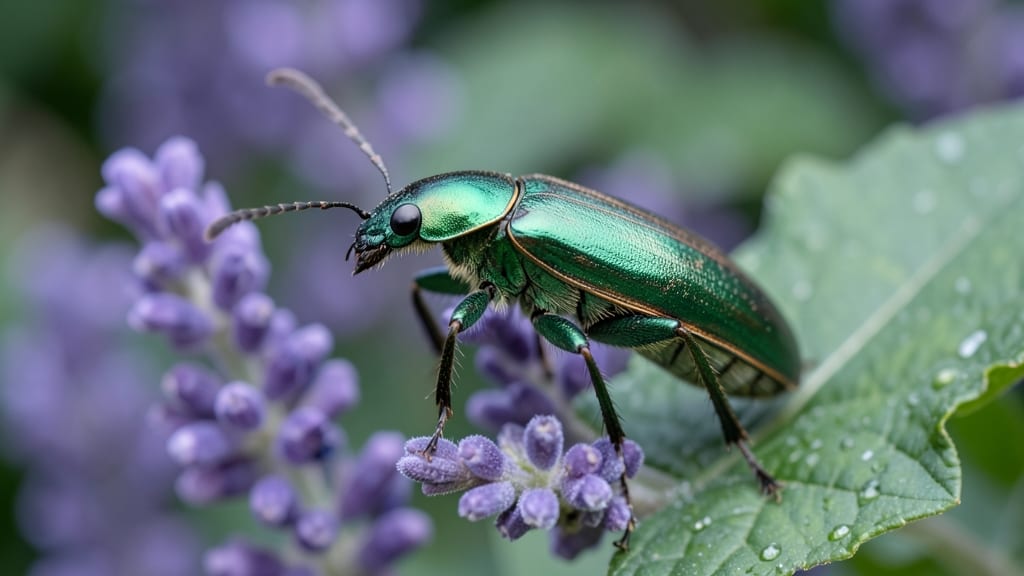
Identifying insects in garden identification is the first step to protecting your plants—and getting it wrong can cost you a season’s worth of harvest.
Struggling to tell if that buzzing visitor is a helpful ally or a destructive pest? Misidentifying garden insects can mean the difference between a thriving harvest and a ruined plot.
Yet most gardeners get it wrong at least once, often because they don’t know what to look for beyond "bug" or "pest."
This guide breaks down the key traits of common garden pests (like aphids and Japanese beetles) alongside their beneficial counterparts (such as ladybugs and bees), so you can spot the difference in seconds.
You’ll learn how to recognize damage patterns, distinguish between larvae and adults, and decide when to act—without resorting to harsh chemicals. Ready to become the detective your garden needs?
How to identify common garden pests by visual clues and damage signs
Spotting garden pests early saves your plants—and your sanity. Many destructive insects share similar traits, but key differences in body shape, color patterns, and damage patterns reveal their identities. I’ve seen firsthand how a single misidentified pest can decimate a vegetable patch in days.
Let’s break down the most common culprits by their visual traits and the telltale signs they leave behind.
Start by examining leaf surfaces, stem structures, and soil debris—these are where pests leave their calling cards. For example, chewed leaves with ragged edges often signal caterpillars, while sticky residue on foliage is a dead giveaway for aphid infestations.
I always carry a magnifying glass during inspections—it’s the difference between catching an outbreak early or losing crops to silent destroyers.
Seasonal timing also matters. Some pests, like Japanese beetles, peak in July and August, while others, such as cabbage worms, appear in early spring. Knowing when to watch for each helps you stay one step ahead.
Below, I’ve compiled a visual guide to 12 destructive insects, including their size comparisons, egg/larvae appearances, and the damage they cause—so you can act fast.
| Pest Name | Size | Key Visual Traits | Egg/Larvae | Damage Signs | Active Season |
|---|---|---|---|---|---|
| Aphids | 1/16" | Green/black, pear-shaped | Yellow eggs on undersides | Sticky honeydew, curled leaves | Spring-fall |
| Japanese Beetles | 1/2" | Bronze wings, green head | White grubs in soil | Skeletonized leaves, flower damage | June-August |
| Tomato Hornworms | 3-4" | Green with white stripes | Green eggs on leaves | Missing tomato leaves, fruit holes | Summer |
| Cabbage Worms | 1-1.5" | Green with yellow stripes | Yellow eggs on leaf edges | Holes in brassica leaves | Spring-fall |
| Spider Mites | 1/50" | Red/yellow, tiny | Invisible eggs on leaves | White webbing, stippled leaves | Summer-drought |
| Colorado Potato Beetles | 1/2" | Orange/yellow, black stripes | Orange eggs in clusters | Chewed potato/tomato leaves | Spring-summer |
Beneficial insects in your garden: how to spot and encourage pollinators and predatorsNot all garden visitors are pests—some are your plant's unsung heroes. Ladybugs, lacewings, and parasitic wasps all play crucial roles in keeping harmful bugs in check. Learning to identify these allies helps you create a balanced ecosystem where nature does the work for you. These beneficial insects often go unnoticed because they're small and well-camouflaged. But their presence can drastically reduce aphid populations, deter caterpillars, and even improve pollination rates. The key is recognizing their unique traits—like lacewing larvae with spiky bodies or bees with fuzzy, striped abdomens. How to Spot Beneficial Insects✅ PROS: Identifying Friends
❌ CONS: Common Mistakes
"A thriving garden starts with knowing who's on your side." To attract these helpers, focus on native plants like dill, fennel, and milkweed. These act as nectar sources and host plants for beneficial insects. For example, planting yarrow or goldenrod near your veggies creates a buffet for parasitic wasps and lacewings. Create shelter with leaf litter or small rocks to protect overwintering insects. Avoid pesticides—even "organic" sprays can harm these allies. Instead, use neem oil sprays at night when pollinators are inactive, or introduce beneficial nematodes to target soil pests without collateral damage. Watch for signs of activity: chewed aphid shells, tiny holes in leaves (from lacewing larvae), or bees buzzing between flowers. These clues confirm your garden is becoming a self-sustaining ecosystem. Over time, you'll notice fewer pests and healthier plants—all thanks to your tiny, six-legged allies. Start small: designate a 10x10 foot "beneficial insect zone" with diverse plants. Within a season, you'll see a noticeable shift in your garden's balance—fewer pests, more pollinators, and stronger plants working together naturally. 🌱 |