
Companion Plants
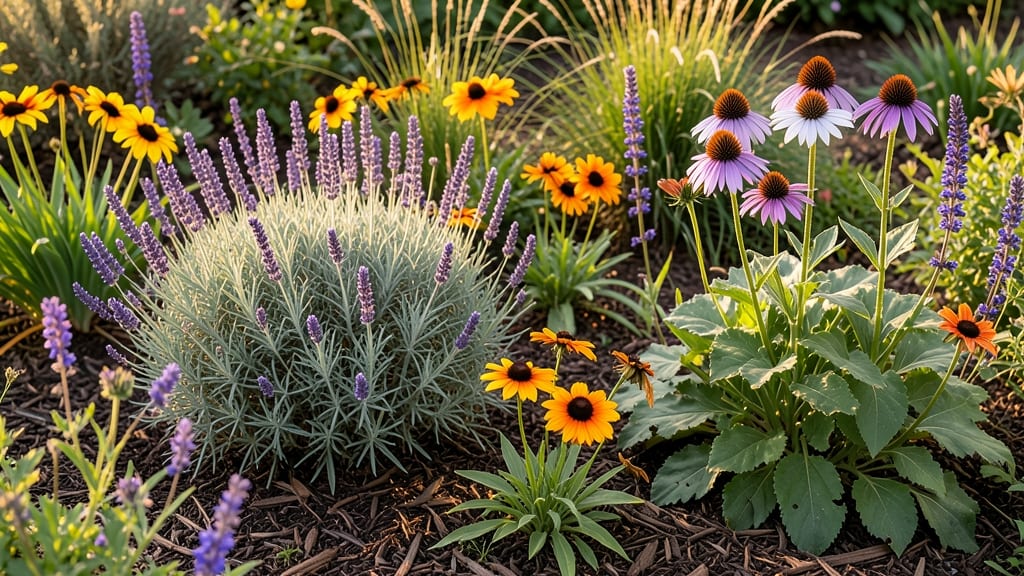
Growing popular garden plants that thrive year-round can turn your yard into a lush, vibrant haven without the fuss.
Picture this: a garden buzzing with bees, butterflies, and hummingbirds, all thanks to a few strategic plant choices. The secret isn’t complicated—it’s about selecting the right low-maintenance and visually striking plants that keep your space colorful and full of life, no matter the season.
Whether you’re a beginner or a seasoned gardener, these top-performing plants are perfect for adding beauty and biodiversity. They’re easy to grow, drought-resistant, and designed to attract pollinators, ensuring your garden stays lively and healthy with minimal effort.
Below, I’ll share my favorite picks—from vibrant flowers to hardy shrubs—that guarantee year-round color, pollinator support, and a garden that feels like a natural retreat. Let’s get started!
Top 10 year-round garden plants for color & pollinator support
Creating a garden that thrives all year and attracts pollinators requires selecting the right plants that offer continuous blooms and ecosystem benefits. These top 10 popular garden plants deliver stunning color, minimal maintenance, and vital support for bees, butterflies, and hummingbirds.
Whether you're in a sunny desert or a cool coastal climate, these varieties adapt and flourish.
I’ve curated this list to include a mix of perennials, annuals, and shrubs that provide seasonal interest without overwhelming your schedule. Each plant was chosen for its resilience, pollinator appeal, and ability to thrive in diverse conditions.
Let’s dive into the specifics—starting with the standout performers that will transform your garden into a buzzing, beautiful haven.
| Plant | Sun Needs | Water Needs | Mature Size | Bloom Time |
|---|---|---|---|---|
| Coneflower (Echinacea) | Full Sun | Moderate | 2-4 ft tall | Summer-Fall |
| Black-Eyed Susan (Rudbeckia) | Full Sun | Low-Moderate | 1-3 ft tall | Summer-Fall |
| Salvia (Perennial Sage) | Full Sun | Low | 2-4 ft tall | Spring-Summer |
| Lavender (Lavandula) | Full Sun | Very Low | 1-3 ft tall | Summer-Fall |
| Russian Sage (Perovskia) | Full Sun | Low | 3-5 ft tall | Summer-Fall |
| Bee Balm (Monarda) | Partial Sun | Moderate | 2-4 ft tall | Summer |
| Daylily (Hemerocallis) | Full Sun-Partial Shade | Moderate | 1-3 ft tall | Summer-Fall |
| Catmint (Nepeta) | Full Sun | Low |
How to choose pollinator-friendly plants for your climate ZoneSelecting the right popular garden plants for your area starts with understanding your USDA hardiness zone and local ecosystem. Native plants like coneflowers or black-eyed Susans often thrive with minimal care while providing year-round pollinator support. I’ve found that pairing these with non-native favorites like lavender or bee balm creates a dynamic garden that blooms from spring to frost. Your garden’s sunlight exposure and soil type play critical roles too. For example, sun-loving perennials like purple coneflower (Echinacea) need at least 6 hours of direct sun, while shade-tolerant options like foxglove (Digitalis) thrive in partial shade. Always test your soil’s pH—most pollinator plants prefer slightly acidic to neutral conditions (6.0–7.0). 🌱 5 Key Steps to Choose the Best Pollinator Plants
When selecting popular garden plants, consider their mature size and growth habits. For instance, bee balm (Monarda) spreads aggressively—ideal for borders—but may need dividing every 3–4 years. Smaller options like salvia (sage) stay compact and work well in containers or rock gardens. Always space plants according to their root spread to avoid competition. Extend your garden’s pollinator appeal by incorporating seasonal layers. Plant bulbs like daffodils for early spring color, annuals like zinnias for summer blooms, and fall asters for late-season nectar. I’ve seen gardens with 3x more pollinator activity when they include this diversity! Group plants with similar water needs together to simplify maintenance. Don’t overlook host plants for caterpillars, like milkweed for monarchs or parsley for swallowtail butterflies. These are essential for completing a pollinator’s life cycle. Even small containers on patios can host window-box herbs (basil, thyme) that attract bees. For drought-prone areas, opt for drought-tolerant perennials like yarrow or Russian sage. Finally, observe your garden’s pollinator traffic and adjust plantings accordingly. If bees avoid certain areas, check for pesticide use or lack of water sources (a shallow dish with pebbles works wonders). Over time, you’ll learn which popular garden plants thrive in your microclimate—and which ones need a little extra care to flourish. |