
Landscaping
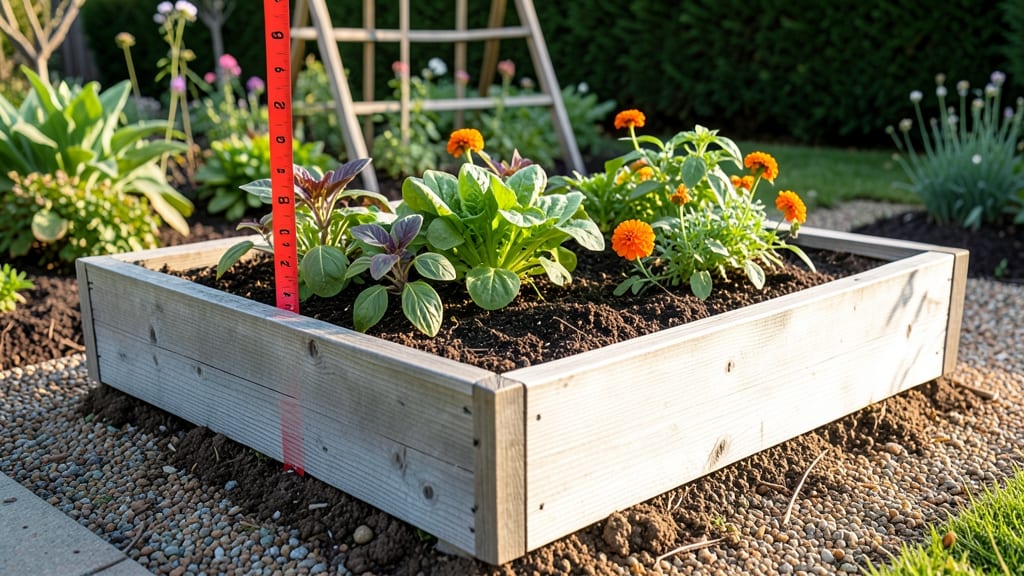
The height of your raised garden bed determines how well your plants grow, how easy it is to tend, and whether your soil stays healthy 🌱—and getting it wrong can mean wasted effort and stunted harvests.
Struggling to decide how high your raised garden bed should be? The right height isn’t just about aesthetics—it directly impacts plant health, root growth, and drainage, making or breaking your harvest.
Too shallow, and your carrots won’t develop properly; too tall, and you’ll strain your back every time you reach in. Most gardeners land on a 6- to 12-inch standard, but deep-rooted plants like asparagus or fruit trees need 18-24 inches of soil depth to thrive.
Below, I break down the science behind ideal raised garden bed height, how to balance drainage and accessibility, and how to customize your design for everything from wheelchair-friendly gardening to urban space-saving tricks.

Optimal raised garden bed height for root space and plant types
Choosing the right raised garden bed height is one of the first decisions that impacts your garden’s success. Most standard beds range between 6 and 12 inches, but this isn’t a one-size-fits-all answer.
The height you choose depends on your plant types, root depth requirements, and even your own gardening comfort. For example, shallow-rooted herbs like basil or thyme thrive in 6-inch beds, while deep-rooted plants like asparagus or tomatoes need 18–24 inches of soil.
Root space isn’t just about vertical room—it’s about creating an environment where roots can spread, access nutrients, and avoid competition. Soil depth directly correlates with plant health: deeper beds reduce root stress and improve water retention.
However, going too deep can create drainage issues or make maintenance harder. Let’s break down the science and plant-specific needs to help you decide.
Key factors to consider:
- Root depth of your plants (e.g., carrots need 12+ inches)
- Soil quality and moisture retention (lighter soils dry faster)
- Accessibility (knee-high beds are easier for weeding)
- Material constraints (wood, metal, or composite limits height)
For shallow-rooted plants like herbs and lettuce, a 6–10 inch bed is perfect. These plants don’t need deep soil, and taller beds can actually trap excess moisture, leading to root rot.
I’ve found that basil and thyme grow just as well in 6-inch beds as they do in deeper ones, provided the soil is rich and well-draining. The key here is soil quality—amend your mix with compost to ensure nutrients reach the roots efficiently.
When growing deep-rooted vegetables such as carrots or tomatoes, aim for 18–24 inches of soil depth. Carrots, for example, need at least 12 inches to develop fully, but longer varieties like Danvers or Nantes require 16–18 inches.
Tomatoes, with their extensive root systems, benefit from deeper beds because they support heavier fruit loads and reduce the risk of blossom-end rot. I’ve seen heirloom tomatoes in 12-inch beds struggle with stability—upgrading to 24 inches made a noticeable difference in yield and plant vigor.
Don’t overlook shrubs and perennials like asparagus or rhubarb. These plants have woody crowns that need to stay above soil level to prevent rot, but their roots spread deep over time. A 24-inch bed gives them room to establish while keeping the crowns accessible for harvesting.
If you’re planning a long-term garden, consider building beds in stages: start with 12 inches, then add soil layers as the plants mature.
One common mistake is assuming taller always means better. Overly deep beds (30+ inches) can become waterlogged or difficult to maintain. The extra height also increases material costs and labor for filling.
Instead, focus on soil composition: use a mix of compost, peat moss, and perlite to improve drainage and aeration. For example, I’ve used a 50-30-20 mix (compost/peat moss/perlite) in 18-inch beds to grow peppers and eggplants with excellent results.
How raised garden bed height affects drainage, accessibility, and soil quality
Choosing the right raised garden bed height isn’t just about convenience—it directly influences how well water drains, how easily you can tend to your plants, and even the quality of your soil.
A bed that’s too shallow may leave roots struggling, while one that’s too tall can create drainage issues and make gardening a chore. The ideal height balances these factors while keeping your back happy and your plants thriving.
For most gardeners, a 6- to 12-inch height strikes the perfect balance. This range allows roots to spread comfortably while ensuring water flows freely through the soil. However, deeper beds (up to 24 inches) are ideal for deep-rooted plants like asparagus or tomatoes.
The trade-off? Deeper beds require more soil and can become heavier, making them harder to fill and maintain.
- Easy drainage prevents waterlogging
- Ergonomic height reduces back strain
- Lighter soil fill for easier maintenance
- Limited root space for deep plants
- Less insulation in cold climates
- More root space for deep plants
- Better insulation in cold weather
- Heavier soil fill increases labor
- Potential drainage issues if not layered
If you’re gardening in a wet climate, opt for a slightly taller bed (12-18 inches) to improve drainage. Layering coarse materials like gravel or perlite at the bottom creates air pockets, helping excess water escape.
For dry climates, a 6-inch bed with thick mulch layers retains moisture better than deeper options.
Accessibility is another critical factor. A bed that’s too low forces you to kneel or bend, risking back pain, while one that’s too high makes planting and harvesting difficult. Aim for a height where your hands rest at countertop level (about 36 inches from the ground) when standing.
For wheelchair users, consider 24-inch-tall beds with removable sides for easier access.
Soil quality also hinges on height. Shallow beds dry out faster, requiring more frequent watering, while deeper beds retain moisture longer but may compact over time. To combat this, add organic matter like compost annually and top-dress with mulch to protect soil structure.
For heavy clay soils, mix in sand or coconut coir to improve aeration.
Ultimately, the best height depends on your plants, climate, and physical needs. Start with a 6- to 12-inch bed for most vegetables, then adjust based on what works best for your garden’s unique conditions. Experiment with layers and mulch to fine-tune drainage and soil health over time.