
Tools
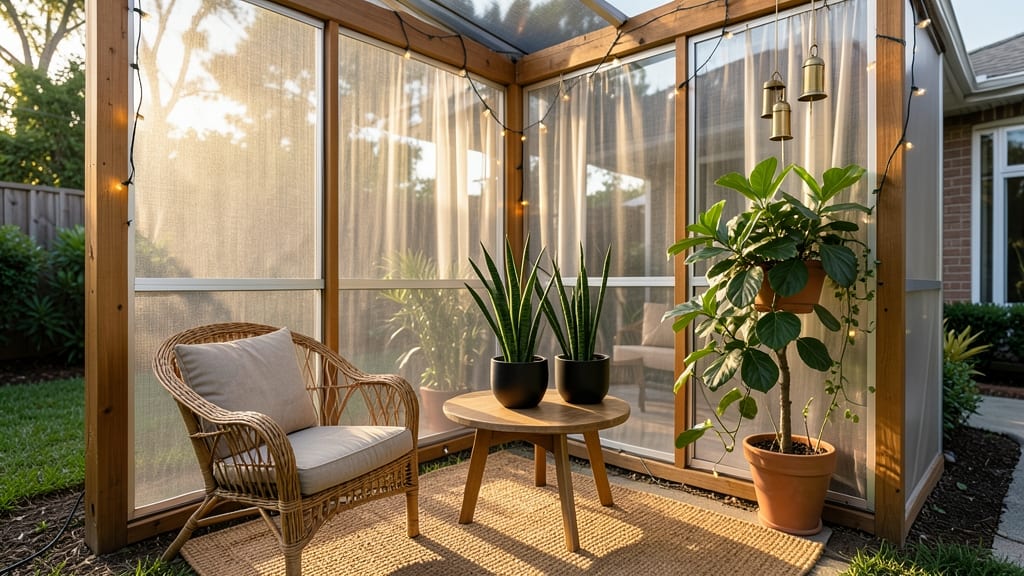
A screened-in garden creates a private outdoor oasis where you can grow delicate plants 🌿 without worrying about pests or harsh weather.
Struggling to balance privacy and natural beauty in your enclosed space? The right plants can transform it into a lush, secluded retreat while requiring minimal maintenance.
This design approach works perfectly in USDA Zone 6, where spring planting opens up endless possibilities for herbs, veggies, and flowering shrubs that thrive in partial sun.
Below, I’ll share 10 privacy-preserving plant choices that grow quickly, integrate seamlessly into your layout, and keep your garden feeling fresh all season long.
Top 10 fast-growing privacy plants for screened-in gardens
A screened-in garden offers the perfect blend of protection and natural beauty, but creating privacy without sacrificing airflow or light can be tricky. The key lies in selecting fast-growing, hardy plants that thrive in enclosed spaces while delivering instant visual appeal.
These plants not only block unwanted views but also enhance your garden's ambiance with lush foliage, vibrant blooms, or striking textures. The best part? Many require minimal maintenance once established, making them ideal for busy gardeners.
When choosing plants for enclosed areas, prioritize those with moderate to high growth rates and adaptability to varying light conditions. Screened gardens often have unique microclimates—warmer in summer, cooler in winter, and potentially more humid—so drought-tolerant or moisture-loving varieties can both work, depending on your setup.
Below, I’ve curated a list of top 10 privacy plants that excel in these conditions, complete with their growth rates, sunlight needs, and spacing recommendations to help you design a seamless, private retreat.
Why these plants? They offer a mix of evergreens for year-round coverage, deciduous options for seasonal interest, and climbing vines for vertical privacy. Most can be pruned to maintain your desired height, and many are deer-resistant, which is a bonus if you live in rural areas. Let’s dive into the specifics to help you pick the perfect plants for your screened-in sanctuary.
| Plant Name | Growth Rate | Mature Height | Sunlight Needs | Spacing | Best For |
|---|---|---|---|---|---|
| Bamboo (Clumping) | 3–5 ft/year | 10–25 ft | Partial to Full Sun | 5–8 ft apart | Year-round privacy, tropical feel |
| Arborvitae (Emerald Green) | 1–2 ft/year | 12–15 ft | Full Sun | 3–5 ft apart | Evergreen hedge, low maintenance |
| Holly (American) | 1–2 ft/year | 20–30 ft | Partial Sun | 6–10 ft apart | Year-round color, wildlife-friendly |
| Clematis (Jackmanii) | 3–6 ft/year (climbing) | 10–15 ft (with support) | Full Sun | 3–5 ft apart (base) | Vertical privacy, summer blooms |
| Privet (Ligustrum) | 2–3 ft/year | 10–15 ft | Full Sun to Partial Shade | 4–6 ft apart | Fast-growing hedge, dense foliage |
| Wisteria (Chinese) | 2–3 ft/year (climbing) | 15–20 ft (with trellis) | Full Sun | 8–10 ft apart (base) |
How to design a screened-in garden layout for maximum privacyA screened-in garden offers the perfect blend of outdoor beauty and protection from pests, but designing it for maximum privacy requires strategic planning. The key lies in layering plants by height and using vertical structures to create a seamless, lush barrier. Start by assessing your space—measure the area and note sunlight exposure, as this will dictate your plant choices and layout. Begin with a foundation layer of taller plants like arborvitae or bamboo along the perimeter. These will form the backbone of your privacy screen, providing instant coverage. Next, add medium-height shrubs such as hydrangeas or boxwoods to fill gaps and create texture. Finally, incorporate climbing vines like clematis or ivy on trellises or pergolas to soften the edges and add vertical interest.
Don’t forget to integrate seating or hardscapes thoughtfully. Place benches or tables in open areas where they won’t obstruct airflow or sunlight. Use permeable materials like gravel or decomposed granite to allow water drainage and prevent soil compaction. For extra charm, add string lights or solar-powered lanterns to highlight focal points after dark. To maintain airflow and prevent fungal issues, avoid overcrowding plants. Leave 12–18 inches between shrubs and 2–3 feet around taller plants. Group plants with similar water and sunlight needs together to simplify care. For example, place drought-tolerant succulents near the edges where they won’t compete with thirstier plants. Finally, consider seasonal layering to keep your screened-in garden vibrant year-round. Plant deciduous trees or flowering shrubs that provide seasonal color, such as azaleas (spring) or camellias (winter). Mulch with wood chips or shredded bark to retain moisture and suppress weeds, while also adding a polished finish to your design. With these steps, your screened-in garden will offer year-round privacy and a serene, functional space—whether you’re enjoying morning coffee or hosting evening gatherings. 🌿🪴 |