
Landscaping
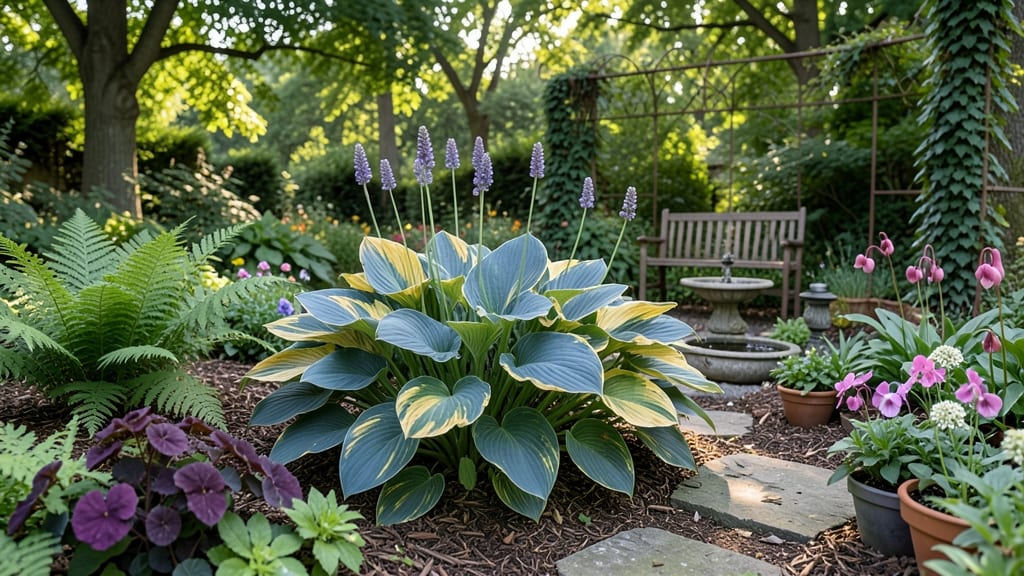
Your Zone 6 shade garden ideas can turn even the darkest corner into a thriving, textured oasis—no direct sunlight required.
Picture this: a spot under towering trees that feels like an escape, where ferns unfurl in spring, hostas bloom in summer, and evergreens keep the winter scene alive. The key? Choosing the right shade-loving plants and layering them like a forest floor—tall, mid-height, and ground covers working together.
In Zone 6’s climate, where summers can be humid and winters chilly, the wrong plants wilt or struggle. But with the right mix—think asters, hellebores, and native ferns—you’ll get color and texture year-round without fighting for sunlight.
Below, I’ll show you how to design a low-maintenance, high-impact shade garden with seasonal interest, plus the best plant pairings to keep your space lush from spring through fall.
 Best Window Placement
Best layered planting combinations for Zone 6 shade gardens
Creating a thriving shade garden in Zone 6 starts with understanding how to layer plants for maximum impact. The key is selecting shade-tolerant perennials, evergreen shrubs, and ground covers that complement each other's heights and textures.
This approach mimics a natural woodland understory, where sunlight filters through different layers.
For tall plants, focus on deciduous shrubs like Japanese maple (Acer palmatum) or witch hazel (Hamamelis), which provide height and seasonal color. These anchor your design while allowing sunlight to reach lower layers.
In mid-height zones, hostas (Hosta spp.) and astilbes (Astilbe spp.) deliver foliage contrast and summer blooms.
Finally, ground covers like foamflower (Tiarella cordifolia) or wild ginger (Asarum canadense) fill gaps, suppress weeds, and add texture. Together, these layers create a dynamic, low-maintenance garden that thrives in partial to full shade conditions typical of Zone 6.
When designing your shade garden layers, start by placing tall plants at the back near fences or walls. This creates a natural backdrop and prevents them from casting too much shade on smaller plants.
For mid-height perennials, group them in clusters of 3-5 to create visual impact while allowing air circulation.
In the ground cover layer, opt for plants with different textures—like the lacy foliage of foamflower paired with the bold leaves of wild ginger. This contrast adds depth and prevents the space from looking flat.
Add mulch (2-3 inches) to retain moisture and suppress weeds, which is especially important in Zone 6’s humid summers.
For year-round interest, incorporate evergreen shrubs like inkberry holly (Ilex glabra) or dwarf rhododendrons into your tall layer. These provide structure even in winter, while wintergreen (Gaultheria procumbens) in the ground cover layer adds a pop of red berries during the colder months.
One of my favorite combinations includes Japanese maple as the tall focal point, hostas and astilbes in mid-height, and foamflower with its delicate white blooms in the front. This trio offers spring blooms, summer foliage, and fall color, with minimal maintenance required.
Remember to test your soil before planting—most shade-loving plants prefer well-draining, slightly acidic soil with a pH between 6.0 and 7.0. Amend heavy clay soil with compost or organic matter to improve drainage.
In Zone 6’s challenging winters, protect tender plants with a light mulch layer to prevent frost heave.
Finally, don’t overlook the power of seasonal color shifts. Plant early bloomers like hellebores and bleeding hearts for spring interest, then follow with summer astilbes and fall witch hazel for continuous visual appeal. This layered approach ensures your shade garden remains vibrant from March through November.
With these Zone 6 shade garden combinations, you’ll
Year-round color strategies for shade gardens in Zone 6
Creating a shade garden that stays vibrant through all four seasons in Zone 6 starts with strategic plant selection. The key is blending spring ephemerals, summer-blooming perennials, and winter interest plants to ensure continuous color and texture.
Even with limited sunlight, you can achieve a dynamic display by focusing on foliage contrast and staggered bloom times.
Begin with early spring bulbs like bleeding heart (Dicentra spectabilis) and heuchera for bold foliage, followed by hostas and astilbes that thrive in partial shade. For fall, Japanese anemones (Anemone hupehensis) and toad lilies (Tricyrtis) extend the season with their delicate blooms.
Don't forget evergreen shrubs like inkberry holly (Ilex glabra) to provide year-round structure.
For a cohesive look, stick to a 3-color palette with one dominant hue and two accent colors. For example, pair deep purple heuchera with silver-blue hostas and chartreuse astilbes to create visual harmony. This approach reduces maintenance while maximizing impact. Group plants with similar water needs together to simplify care.
Timing is everything in shade gardens. Plant spring bulbs in fall (September-October) to ensure they bloom early before leafy perennials emerge. For summer-blooming perennials, divide and transplant in early spring to encourage vigorous growth.
In late summer (August-September), add fall asters and toad lilies to bridge the gap between summer and winter interest.
Don't overlook the power of foliage contrast. Mix variegated hostas, deep purple heuchera, and silver ferns to create depth and texture. Add ornamental grasses like Japanese forest grass (Hakonechloa macra) for movement and winter interest.
Mulch with shredded bark to retain moisture and suppress weeds, which is especially important in shady areas where grass struggles to grow.
Finally, incorporate seasonal accents like spring crocus, summer hydrangeas, and fall mums to keep your garden feeling fresh. These annuals provide instant color and can be replaced yearly to refresh the look without committing to long-term perennials.
With this approach, your Zone 6 shade garden will stay lively and inviting throughout all four seasons.