Watering
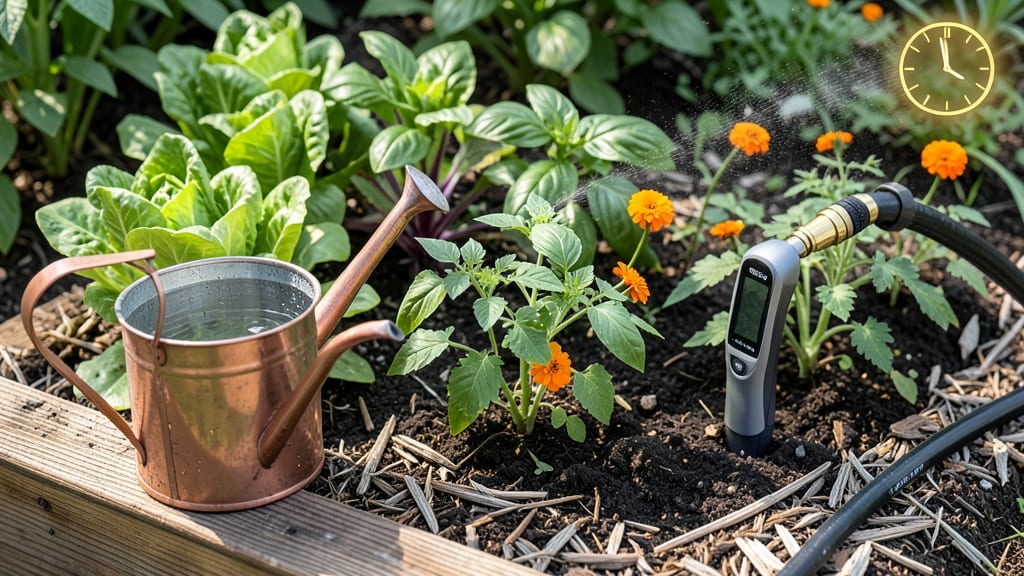
Watering your garden in the morning or evening isn’t just a habit—it’s a science that directly affects plant health, water efficiency, and even pest control.
Struggling to decide which time is best? Many gardeners assume evening watering prevents evaporation, but the truth is more nuanced. Morning watering, for instance, gives plants a full day to absorb moisture before the sun peaks, while evening sessions can leave foliage damp overnight, inviting fungal diseases.
The right choice depends on your climate, plant types, and even soil conditions.
In this guide, I’ll break down the key differences between morning and evening watering—from how humidity levels shift after sunset to why some plants thrive with a midday drink (yes, really).
You’ll learn how to adjust your schedule based on your USDA Zone 6a conditions, which plants benefit from each approach, and the one simple trick that cuts water waste by up to 30%.
By the end, you’ll know exactly when to reach for the hose—or why you might want to skip it altogether on certain days. Let’s dive into the science so your garden gets the perfect drink, every time.
Morning vs evening watering: how climate and plant type determine the best time
Deciding whether to water your garden in the morning or evening isn’t just about convenience—it’s a science. The temperature, humidity, and even your local climate play critical roles in how water interacts with your plants.
For example, in arid regions, morning watering reduces evaporation loss by up to 30%, while in humid climates, evening watering can minimize fungal risks. Let’s break down the key factors so you can optimize your schedule for healthier plants.
Your plant’s type also dictates the best time. Succulents and cacti thrive with morning watering to avoid rot, while leafy greens like lettuce benefit from evening hydration to keep their tender foliage crisp.
Even the soil type matters—sandy soil dries faster, so morning watering ensures moisture penetrates deeply before the heat sets in. Understanding these interactions helps you avoid common pitfalls like overwatering or underwatering.
Evaporation rates are the first variable to consider. During the day, the sun’s intensity can cause 1-2 inches of water to evaporate within hours, especially in hot, dry climates. Watering in the early morning (before 10 AM) allows roots to absorb moisture efficiently, while evening watering (after 4 PM) works better in cooler, humid areas. This timing also reduces water waste, which is crucial for sustainable gardening.
The humidity in your area directly impacts fungal growth. High humidity at night creates the perfect conditions for powdery mildew and blight if leaves stay wet overnight. In contrast, morning watering gives foliage time to dry completely before evening humidity sets in.
If you live in a tropical or coastal region, evening watering might still be risky—opt for drip irrigation to target roots directly and avoid wetting leaves.
Morning vs. Evening Watering: Best Practices by Climate and Plant
| Factor | Morning Watering (Before 10 AM) | Evening Watering (After 4 PM) |
|---|---|---|
| Climate Type | Arid, Hot, Windy | Humid, Cool, Coastal |
| Plant Type | Succulents, Cacti, Mediterranean Herbs | Leafy Greens, Tomatoes, Peppers |
| Evaporation Risk | Low (Moisture absorbed before peak heat) | Moderate (Depends on humidity) |
| Fungal Risk | Low (Leaves dry by evening) | High (Wet foliage overnight) |
| Water Efficiency | High (Reduces evaporation) | Moderate (Better in humid areas) |
| Best For | Drought-resistant plants, warm climates | Tender plants, cooler climates |
For succulents and drought-tolerant plants, morning watering is non-negotiable. These plants store water in their leaves and stems, so soaking them in the morning ensures they absorb moisture before the midday sun intensifies.
In my own xeric garden, I’ve seen agave and aloe vera thrive with morning watering, while evening watering led to root rot in just two weeks. The lesson? Follow your plant’s natural rhythm.
On the flip side, leafy greens like spinach and kale need consistent moisture to stay crisp. Watering them in the evening helps maintain soil humidity overnight, which is ideal for their shallow root systems.
However, avoid overhead watering—use a soaker hose or drip system to keep leaves dry and reduce fungal spores. In humid climates, I’ve had the best luck with evening watering for my lettuce and radishes, as the cooler temps slow evaporation.
Your local climate is the ultimate tiebreaker. In desert regions, morning watering is a must to combat high evaporation rates and strong winds that can dry out soil in minutes.
Meanwhile, in Pacific Northwest gardens, where humidity lingers, evening watering works—just pair it with proper air circulation to prevent disease.
To test your climate’s impact, try a 7-day watering experiment: water half your garden in the morning and half in the evening, then monitor plant health and soil moisture.
Don’t overlook the seasonal shift in your watering routine. In summer, morning watering is almost always superior due to the heat, but in spring and fall, evening watering can be just as effective.
I adjust my schedule based on the weather forecast: if rain is predicted, I skip watering entirely. For container gardens, morning watering is ideal because pots heat up faster and lose moisture quicker than in-ground soil.
Pro tip: Use a moisture meter
5 Critical factors to decide your ideal watering time (beyond morning or evening)
Morning and evening watering are classic recommendations, but your garden’s unique conditions might demand a different schedule. The truth is, the best watering time depends on five key factors that most gardeners overlook.
Ignoring these can lead to wasted water, stressed plants, or even disease outbreaks. Let’s break down how to tailor your routine for maximum efficiency and plant health.
First, consider your soil type. Clay soils hold moisture longer, while sandy soils dry out quickly. If you have sandy soil, watering in the early morning ensures roots absorb moisture before evaporation steals it away.
For clay-heavy gardens, evening watering can prevent waterlogging, but only if humidity is low. Understanding your soil’s drainage is the first step to avoiding both drought stress and root rot.
Next, think about evaporation rates in your climate. Hot, dry regions lose water faster, so morning watering (before 10 AM) is ideal to give plants a full day to absorb moisture.
In humid climates, evening watering can work, but only if you avoid wetting foliage to prevent fungal spores from thriving overnight. Use a rain gauge or moisture meter to track how quickly your soil dries—this data will reveal your garden’s true watering window.
5 Critical Factors for Ideal Watering Time
- Soil Type: Clay holds moisture longer; sand dries fast. Adjust frequency, not just time.
- Evaporation Rates: Water before 10 AM in hot climates; evening works in humidity if foliage stays dry.
- Pest Prevention: Avoid evening watering for succulents or pests like slugs—opt for morning to dry leaves quickly.
- Fungal Risk: Never water at night; fungal spores thrive in damp, cool conditions on wet leaves.
- Water Conservation: Drip irrigation in early morning saves 30% more water than overhead evening systems.
Pest prevention is another game-changer. Slugs, snails, and aphids are more active at night, so evening watering can attract them to your plants. For gardens plagued by these pests, switch to morning watering and use mulch to deter them.
Even better, install a drip irrigation system to deliver water directly to roots, keeping foliage dry and pests away.
Fungal diseases like powdery mildew and black spot love damp leaves. Watering at night creates the perfect conditions for spores to spread. If you must water in the evening, use a soaker hose or drip system to avoid wetting leaves.
For leafy greens or flowers, morning watering is non-negotiable—it gives foliage time to dry completely before evening humidity sets in.
Finally, align your watering schedule with conservation goals. Studies show that drip irrigation in the early morning reduces water waste by up to 30% compared to overhead systems. If you’re on a water budget, prioritize deep, infrequent watering in the coolest part of the day.
Pair this with mulch to retain moisture, and you’ll see dramatic improvements in both plant health and your water bill.
Your garden’s ideal watering time isn’t one-size-fits-all. By analyzing these five factors—soil type, evaporation rates, pest activity, fungal risk, and conservation needs—you’ll create a schedule that works as hard as you do.
Start with one adjustment, like switching to morning watering, and observe how your plants respond. Over time, you’ll fine-tune the perfect routine for your unique garden. 🌱