Watering
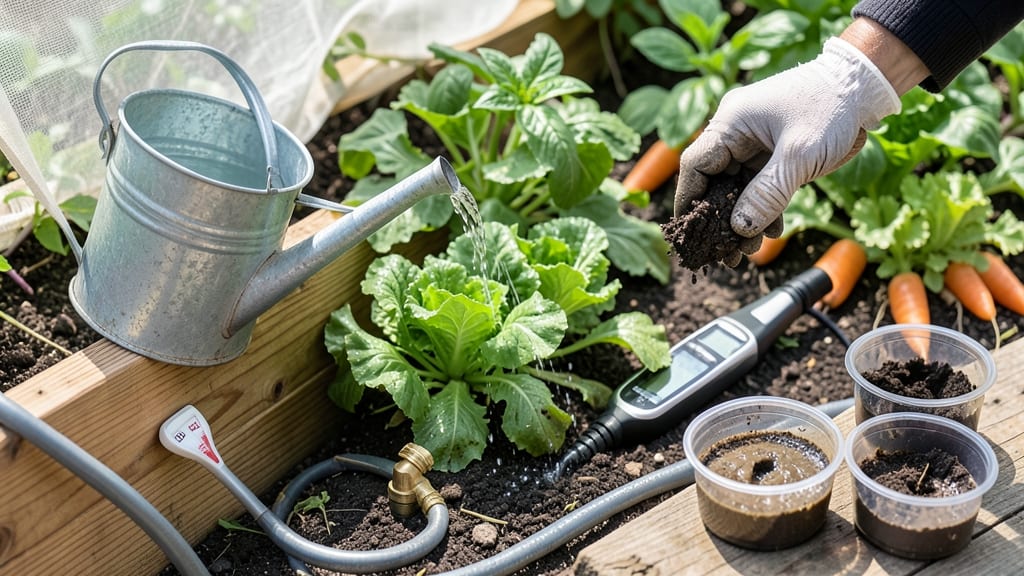
Watering your vegetable garden every day can actually harm your plants—unless you’re dealing with extreme heat or sandy soil, where roots need frequent hydration to survive.
Most gardeners overdo it without realizing it, drowning roots and inviting disease. The truth? Deep, infrequent watering encourages stronger roots, while daily shallow sprinkles create weak, thirsty plants that collapse when you least expect it.
In this guide, I’ll walk you through the exact schedule for your garden’s needs—whether it’s a hot summer in Zone 7 or a mild spring in the Pacific Northwest—plus the telltale signs of overwatering before it’s too late.
You’ll learn when to stick to the every-other-day rule, how to adjust for drought, and the one tool that cuts watering time in half without stressing your plants.
The ideal watering frequency for vegetable gardens (by plant type and climate)
Daily watering isn’t a one-size-fits-all rule for vegetable gardens. In fact, most mature vegetables thrive with deep watering every 2-3 days, while seedlings and drought-sensitive plants may need more frequent hydration.
The key lies in understanding your soil type, climate zone, and each plant’s unique needs—especially during hot summers or rainy seasons. Let’s break down the science so you can water with confidence, not guesswork.
Your garden’s watering schedule should adapt to three critical factors: plant type, growth stage, and weather conditions. For example, leafy greens like spinach and lettuce prefer consistent moisture, while root vegetables like carrots and potatoes need less frequent but deeper watering.
Seedlings, regardless of type, require daily checks to prevent drying out, but once established, most vegetables can handle skipped days if the soil stays moist. Ignoring these variables often leads to overwatering—the silent killer of vegetable gardens.
Here’s the golden rule: Always water deeply (1-2 inches of soil) rather than shallowly. This encourages root development and reduces surface evaporation. In sandy soil, water drains quickly, so you’ll need to water more often, while clay soil retains moisture longer, allowing for longer gaps between waterings.
Use this comparison table to tailor your routine to your garden’s specific needs.
| Vegetable Type | Seedling Stage | Mature Stage | Climate Adjustments |
|---|---|---|---|
| Leafy Greens (Lettuce, Spinach, Kale) | Daily, light watering | Every 2-3 days, deep soak | Increase frequency in 90°F+ heat |
| Root Vegetables (Carrots, Potatoes, Beets) | Daily, shallow water | Every 3-4 days, deep water | Reduce frequency in humid climates |
| Fruiting Plants (Tomatoes, Peppers, Cucumbers) | Daily, keep soil moist | Every 2 days, deep water | Critical to avoid blossom-end rot in heat |
| Drought-Tolerant (Zucchini, Swiss Chard, Okra) | Every other day | Every 4-5 days, deep water | Skip watering if rainfall >1 inch |
| Herbs (Basil, Cilantro, Parsley) | Daily, mist leaves | Every 2-3 days, avoid wetting foliage | Reduce in shady conditions |
Pay close attention to your local climate—summer heat in USDA Zone 9 demands daily watering for most vegetables, while cooler zones like Zone 5 can stretch watering to every 3-4 days.
Always check the top 1-2 inches of soil before watering: if it’s dry, it’s time; if it’s damp, wait. This simple test prevents root rot and ensures your plants develop strong, resilient roots.
Mulching with straw or wood chips can also lock in moisture and cut watering needs by up to 30%.
One common mistake is watering at night, which promotes fungal diseases like powdery mildew. Instead, water in the early morning (5-9 AM) to allow foliage to dry quickly. For container gardens, smaller pots dry out faster—check them daily in full sun and every other day in partial shade.
If you’re unsure whether your garden needs water, use the finger test: Stick your index finger 1 inch into the soil. If it feels dry, water; if it’s moist, hold off.
Adjusting your watering routine based on growth stages is just as important as climate. Seedlings need frequent, light watering to prevent wilting, while flowering plants (like tomatoes) require consistent moisture to prevent dropped blossoms. During harvest time, reduce watering slightly for root crops to improve flavor and texture.
For example, carrots taste sweeter when slightly stressed, while cucumbers need steady hydration to avoid bitter flavors. Balance is everything.
If your garden is in sandy soil, water more frequently but in shorter bursts to avoid runoff.
5 Signs you’re overwatering (and how to fix it before it’s too late)
Your vegetable garden thrives on balance—too little water stunts growth, but too much water suffocates roots. If you’ve been watering daily without seeing results, you might be drowning your plants instead of nourishing them.
Overwatering creates a breeding ground for root rot and fungal diseases, turning your garden into a soggy mess. The key is recognizing the warning signs early so you can adjust before permanent damage occurs.
Most gardeners assume wilting means thirsty plants, but wilting can signal overwatering too. When roots sit in waterlogged soil, they struggle to absorb oxygen, causing cells to collapse. Combine this with yellowing leaves (especially on older foliage) and a mushy, foul-smelling soil, and you’ve got a classic overwatering scenario.
The good news? Fixing it is easier than you think—just stop, let the soil dry, and adjust your routine.
⚠️ Your Daily Watering Habit Could Be Killing Your Garden
Stop watering immediately if you see these 3 red flags:
- 🌱 Soil stays clumpy even 24 hours after watering (stick your finger in—if it’s damp past 2 inches, you’re overdoing it).
- 🌿 Leaves turn yellow with crispy edges, but the soil is soggy (not dry).
- 🍄 White, fuzzy mold appears on soil or stems (this is powdery mildew, a fungus thriving in wet conditions).
Fix it now: Let the top 3 inches of soil dry completely between waterings. Use a moisture meter or the "squeeze test"—if water drips when you press soil, it’s too wet.
Start by checking your soil type. Clay soil holds moisture longer than sandy soil, so your watering schedule should adapt. For example, tomatoes in clay might only need water every 3-4 days in summer, while lettuce in sandy soil may require daily checks.
Pay attention to the weather forecast too—heavy rain can make your garden waterlogged overnight, negating any manual watering you planned.
If your plants are already showing signs of distress, prune affected leaves to redirect energy to healthy growth.
Trim yellow or moldy foliage with clean scissors, and avoid watering the leaves directly (use drip irrigation or water at the base instead). Aerate compacted soil by gently loosening the top 2 inches with a fork to improve drainage.
This simple step can revive struggling roots in just a few days.
For long-term prevention, mulch your garden beds with straw or wood chips. Mulch acts like a sponge, absorbing excess moisture and slowing evaporation. Aim for a 2-3 inch layer around plants (but keep it a few inches away from stems to prevent rot).
This hack reduces your need for frequent watering by up to 30%, giving roots the dry periods they crave.
Remember: Vegetables hate soggy feet. The goal is consistent moisture, not constant wetness. Adjust your watering based on the plant’s stage—seedlings need frequent misting, while mature plants like peppers or squash can handle deeper, less frequent watering.
When in doubt, water less and let the soil guide you. Your garden will thank you with healthier growth and bigger harvests.