
Planting
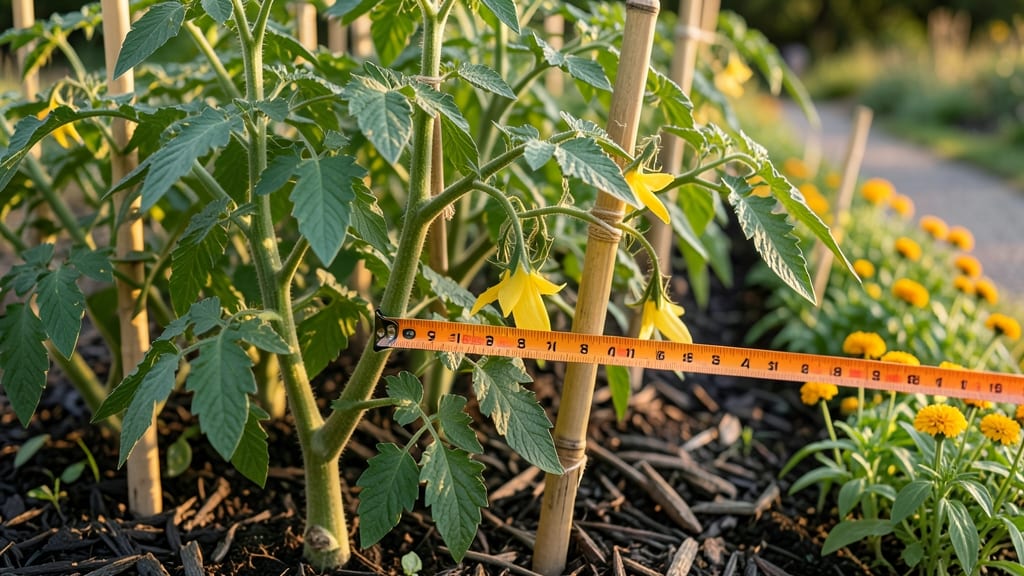
Spacing your tomato garden correctly determines whether you’ll end up with bushy, high-yield plants or a tangled mess of blight-ridden vines.
Struggling to fit high-yield tomato plants into your garden without overcrowding? Proper spacing isn’t just about avoiding disease—it’s the secret to bigger harvests and healthier plants, even in tiny spaces.
Determinate tomatoes (the bush types) need 18-24 inches between plants, while sprawling indeterminate vines demand 24-36 inches to stretch out. Get this wrong, and you’ll watch your 🍅 yields shrink faster than a wilting leaf in the afternoon sun.
In this guide, I’ll break down the exact spacing rules for your garden layout—whether you’re working with containers, raised beds, or in-ground rows—plus how to squeeze in extra plants without sacrificing health or flavor.
Optimal tomato plant spacing by variety type (determinate vs indeterminate)
Choosing the right tomato plant spacing depends entirely on whether you're growing determinate (bush) or indeterminate (vining) varieties. Both types thrive with proper spacing, but their growth habits require completely different layouts.
Determinate tomatoes grow in compact bushes, while indeterminate varieties climb indefinitely—sometimes reaching 6+ feet—so they need vertical support and wider spacing to prevent disease and maximize sunlight exposure.
I’ve learned the hard way that cramming too many indeterminate tomatoes together leads to crowded vines, poor airflow, and blight-prone foliage. Meanwhile, determinate varieties packed too closely produce smaller fruits and struggle to ripen evenly.
Let’s break down the exact spacing rules for each type, including row distances, plant-to-plant gaps, and vertical support needs to ensure your tomato garden thrives.
| Variety Type | Plant-to-Plant Spacing | Row Spacing | Vertical Support Needed | Mature Height | Best For |
|---|---|---|---|---|---|
| Determinate (Bush) | 18–24 inches | 24–36 inches | None (self-supporting) | 3–4 feet | Containers, small gardens, canning |
| Indeterminate (Vining) | 24–36 inches | 36–48 inches | Cages, trellises, stakes | 6–12+ feet | Fresh eating, slicing, vertical gardens |
| Dwarf Varieties (e.g., 'Tiny Tim') | 12–18 inches | 18–24 inches | Optional (small cages) | 1–2 feet | Containers, windowsills |
| Semi-Determinate (e.g., 'Sungold') | 18–24 inches | 24–36 inches | Light support (stakes) | 4–5 feet | Balconies, small plots |
For determinate tomatoes, I recommend sticking to the 18–24 inch spacing between plants. This gives them enough room to spread without competing for nutrients, and the 24–36 inch row spacing ensures good airflow to prevent fungal diseases like early blight.
Varieties like 'Celebrity' or 'Roma' thrive in this setup, producing heavy clusters of fruit all at once—perfect for canning or sauces.
Indeterminate tomatoes, on the other hand, need 24–36 inches between plants and 36–48 inches between rows to accommodate their sprawling vines. Without proper spacing, these varieties—like 'Cherokee Purple' or 'Brandywine'—suffer from poor airflow, leading to blight and reduced yields.
Always pair them with vertical trellises or cages to save space and improve sunlight exposure for lower leaves.
One common mistake I see is treating all tomatoes the same. Dwarf varieties like 'Tiny Tim' can be spaced as close as 12–18 inches apart, making them ideal for containers or windowsill gardens.
Meanwhile, semi-determinate types (e.g., 'Sungold') need a middle-ground approach with 18–24 inches of spacing and light support to handle their moderate height.
Pro tip: If you’re short on space, consider vertical training for indeterminate varieties. A well-built trellis can turn a 4x8 foot garden bed into a high-yielding vertical garden, freeing up ground space for other crops.
Just ensure your trellis is sturdy—6-foot-tall indeterminate tomatoes can become top-heavy when laden with fruit!
Finally, always adjust spacing based on your garden layout. In raised beds, you can tighten spacing slightly (e.g., 18 inches for determinates) because the soil warms faster and drains better.
In in-ground plots, give plants extra room to compensate for slower soil warming and potential crowding from weeds.
Remember, proper spacing isn’t just about fitting more plants—it’s about giving each tomato the sunlight, airflow, and nutrients it needs to produce the biggest, healthiest fruits. With these guidelines, you’ll avoid the heartbreak of blight-ridden plants and harvest bushels of tomatoes instead.
Small-space tomato garden layouts for high-yield harvests
Even with limited space, you can grow bountiful tomatoes by using creative spacing techniques. The key is maximizing vertical growth and airflow while avoiding overcrowding. Container gardens, vertical trellises, and square-foot gardening can all double your yield without sacrificing plant health. Let’s explore the most effective layouts for small spaces.
For containers and raised beds, prioritize dwarf or bush varieties like 'Tiny Tim' or 'Patio Princess,' which thrive in 5-gallon pots with 18-24 inches of space between plants.
Indeterminate varieties, like 'Sungold,' need taller containers (at least 12 inches deep) and sprawling room to climb. Pair these with sturdy trellises to save space and improve airflow.
- 1.
- 2.
- 3.
- 4.
- 5.
Don’t overlook companion planting—it’s a game-changer for small spaces. Plant marigolds or nasturtiums around your tomatoes to repel pests like hornworms and aphids. These flowers also attract pollinators, boosting fruit set.
For example, a 5-gallon container can comfortably hold 1 tomato plant + 2 marigolds without competing for resources.
Pruning is another yield-boosting hack for small gardens. For indeterminate varieties, prune suckers (the shoots in the leaf axils) to redirect energy to fruit production and improve airflow.
In containers, limit pruning to removing only diseased or crossing branches to avoid stunting growth. Regular pruning also makes harvesting easier in tight spaces.
Watering efficiently is critical in small spaces. Use drip irrigation or self-watering containers to deliver moisture directly to the roots without wetting the foliage, which reduces fungal diseases.
Water deeply once every 2-3 days in the morning to encourage strong root development. Avoid overhead watering, especially in the evening, to prevent blight and mildew.
With these layouts, you can grow 10-20 tomatoes per square foot—far more than traditional in-ground gardens. Experiment with vertical structures and companion plants to find what works best for your space. Happy growing! 🌿