
Tools
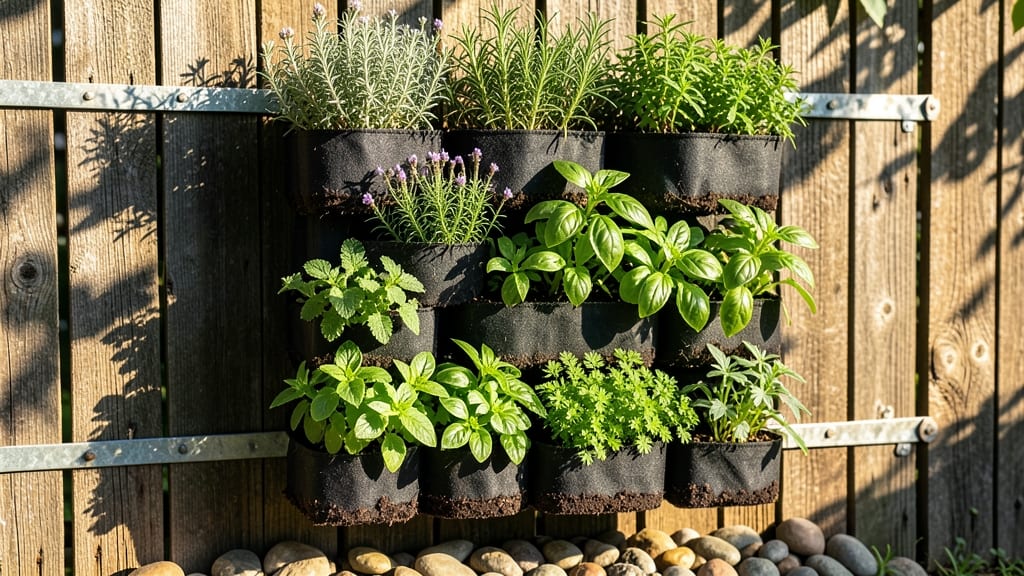
Outdoor wall gardens turn even the smallest yard into a vibrant, space-saving green oasis without sacrificing your patio or walkway.
If you’ve ever stared at a blank wall or narrow balcony and wondered how to add life without losing usable space, vertical gardening is the answer. With the right plants and a little creativity, you can grow herbs, flowers, or veggies—all while keeping your outdoor area functional and stylish.
Designing a wall garden starts with choosing the right structure—whether it’s a sleek modular panel, a rustic wooden trellis, or repurposed materials like pallets or crates. The key is balancing beauty with practicality, ensuring your plants thrive while adding curb appeal.
Below, I’ll walk you through plant selection, structural ideas, and DIY hacks to create a wall garden that’s as easy to maintain as it is stunning. Ready to grow upward?
How to design a stunning outdoor wall garden with vertical space
Transforming a small outdoor space into a lush, functional garden doesn’t require sacrificing square footage—vertical wall gardens offer the perfect solution for adding greenery without the footprint.
Whether you have a tiny balcony or a narrow backyard, maximizing vertical space can create a stunning focal point while maximizing your plant collection. The key lies in thoughtful planning, selecting the right structural materials, and choosing plants that thrive when grown vertically.
Before diving into designs, consider your space’s unique conditions. Sunlight exposure is critical—most vertical gardens need at least 4-6 hours of sun daily, though some shade-tolerant options exist. Drainage is equally important; poor drainage leads to root rot in wall-mounted containers.
Start small with a 3x3-foot section to test your setup before expanding, and always prioritize lightweight materials to avoid straining your wall or structure.
Assess Your Space
Measure wall height, width, and sunlight patterns. Note obstructions like overhangs or nearby trees that may cast shade. Use a sunlight tracker for 24 hours to map exposure—most vertical gardens thrive with 4-6 hours of direct sun.
Choose Your Structure
Pick from trellises (for climbers), modular pockets (for herbs/succulents), or pallets (budget-friendly). Trellises work best for vines like jasmine or cucumbers, while pallets excel for succulents or strawberries. Ensure your structure can support 20-30 lbs per square foot.
Select Plants for Vertical Growth
Prioritize climbers (e.g., clematis, passionflower), trailing plants (e.g., nasturtiums, petunias), or compact varieties (e.g., thyme, rosemary). Avoid top-heavy plants like large pumpkins—they’ll overwhelm vertical supports.
Plan Your Layout
Arrange plants by height (tallest at the back) and light needs. Use dwarf varieties for edges and spillers (like creeping thyme) to soften borders. Leave 1-2 inches between plants for airflow and easy maintenance.
Install Drainage and Irrigation
Drill drainage holes in containers and add a 1-inch layer of gravel at the bottom. Use self-watering systems or drip irrigation to avoid overwatering—wall gardens dry out 30% faster than ground-level plants. Test your setup with a watering can to check for leaks.
Secure and Maintain
Attach your structure to the wall with L-brackets or heavy-duty hooks (every 2 feet for pallets). Check for loose screws monthly and prune dead foliage to prevent pests. Fertilize every 4-6 weeks with a balanced 10-10-10 mix for optimal growth.
When selecting plants, think beyond aesthetics—consider edible options like cherry tomatoes or pepper plants, which thrive in vertical planters and save space. For a low-maintenance look, succulents like sedum or echeveria require minimal watering and add texture.
Group plants with similar needs together: herbs like basil and oregano love full sun, while ferns and ivy prefer shade.
Don’t overlook the power of layering—combine upright plants (e.g., rosemary), trailing plants (e.g., petunias), and ground covers (e.g., creeping jenny) to create depth. This technique not only looks stunning but also maximizes your vertical space by utilizing every inch.
For example, a 6-foot trellis can support three layers of plants if planned correctly.
If you’re working with limited
Top 10 outdoor wall garden plants for small yards and balconies
Creating a vibrant wall garden in tight spaces doesn’t mean compromising on beauty or productivity. The right vertical plants can transform bare walls into lush, functional displays while maximizing your limited square footage.
Whether you crave edible greens, fragrant herbs, or cascading flowers, these space-saving options thrive in containers, pockets, or trellises.
I’ve curated this list to include fast growers like nasturtiums (ready in 6 weeks) alongside slow-and-stunning choices like English ivy (which matures over years).
Each plant is paired with its ideal support system—from wire cages for compact herbs to trellis panels for climbing vines—so you can visualize how they’ll fit your space.
🌱 Key Considerations: Before selecting plants, check your sunlight exposure (most wall gardens need 4–6 hours of sun) and drainage (root rot is the #1 killer of vertical gardens). Use lightweight potting mix with perlite for containers, and water deeply but infrequently—most wall plants prefer drying slightly between waterings.
| Plant Type | Sun Needs | Water Needs | Mature Size | Support System | |
|---|---|---|---|---|---|
| Edible | Nasturtiums | Full Sun (6+ hrs) | Moderate (water when topsoil dries) | 1–3 ft tall | Wire cages or trellis |
| Cherry Tomatoes | Full Sun | Moderate | 2–4 ft tall | Tall cages or stakes | |
| Herbs (Basil, Thyme) | Partial Sun (4–6 hrs) | Low-Moderate | 1–2 ft tall | Hanging pockets or shelves | |
| Ornamental | Petunias | Full Sun | Moderate | 1–2 ft tall | Hanging baskets or pockets |
| Fuchsias | Partial Shade | Moderate | 1–3 ft tall | Macramé hangers or shelves | |
| Ivy (English) | Partial Sun | Low | 5–10 ft (trailing) | Wall-mounted trellis or lattice | |
| Cascading | Pothos | Bright Indirect | Low | 3–10 ft (trailing) | Hanging planters or shelves |
| Lettuce (Leaf Varieties) | Partial Sun | Moderate | 6–12 inches | Vertical planters or pockets | |
| String of Pearls | Bright Indirect | Low | 1–2 ft (trailing) | Hanging pots or shelves |
For fast results, prioritize nasturtiums or cherry tomatoes—both bloom or fruit in 6–8 weeks and love full sun.
If you prefer low-maintenance options, English ivy and pothos thrive with minimal care but deliver dramatic texture over time. Herbs like basil are perfect for cooking enthusiasts, while petunias add season-long color with minimal effort.
Pro tip: Group plants by water needs to simplify care. For example, cluster succulents (like sedum) with drought-tolerant herbs (like rosemary) in the same pocket. Use self-watering planters if your balcony gets intense afternoon sun—they prevent overwatering while keeping roots hydrated.
Don’t overlook seasonal swaps! Replace winter-dormant ivy with spring-blooming clematis or swap out summer tomatoes for autumn kale in vertical pockets. This keeps your wall garden looking fresh year-round with minimal replanting. Start with 3–5 plants to test what thrives in your space before expanding.