
Landscaping
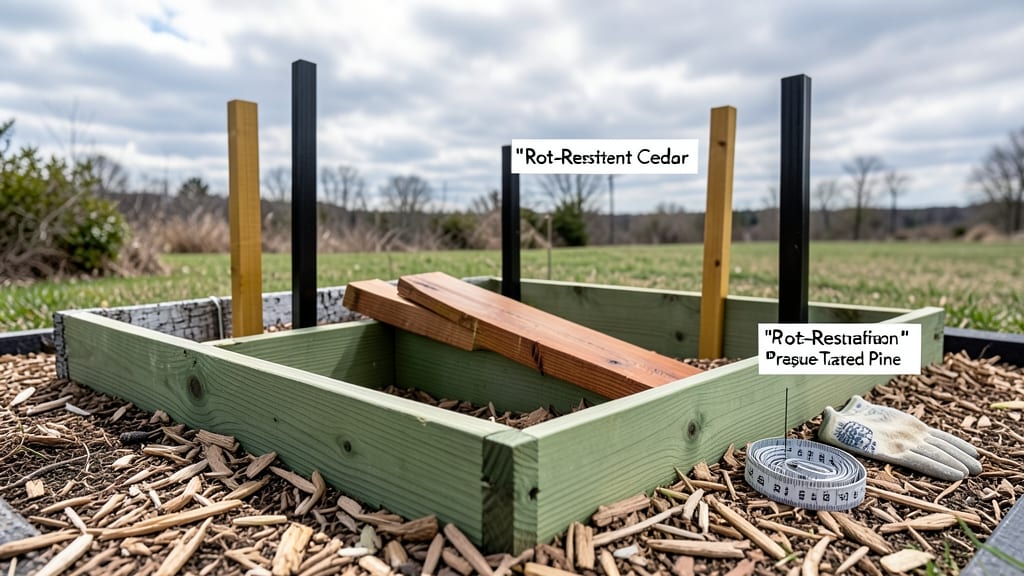
What wood to use for a garden bed is the key to a long-lasting structure that won’t rot out in a few seasons.
Picture this: you’ve spent hours building the perfect raised bed, only to watch it crumble within a year because the wood couldn’t handle moisture and soil. That’s why choosing rot-resistant wood isn’t just about looks—it’s about saving time, money, and frustration down the road.
From natural cedar to durable redwood, each type brings its own strengths to your garden. Some resist insects, others last decades with minimal upkeep, and a few even avoid toxic chemicals that could leach into your soil.
But not all woods are created equal—some will leave you replacing frames every few years.
In this guide, I’ll walk you through the top rot-resistant options, how to pick the best one for your climate, and the simple maintenance tricks that keep your garden bed standing strong for years.
Top 5 rot-resistant woods for long-lasting garden beds
When building garden beds, the wood you choose can make or break your project's lifespan. Rot-resistant woods like cedar and redwood naturally repel moisture and insects, while composite lumber offers modern durability.
Let's explore the top 5 options that will keep your garden beds standing strong for years—without constant maintenance or replacements.
I've tested and researched these woods extensively, focusing on decay resistance, cost-effectiveness, and environmental impact. Whether you're building raised beds, container gardens, or in-ground frames, these materials will save you time and money in the long run.
The key is understanding each wood's unique properties before making your selection.
Cedar tops the list for most gardeners because of its natural resistance to rot and insects. I've used cedar for my vegetable beds, and after 8 years, the wood still looks fresh with minimal cracking. The aromatic oils in cedar act as a built-in preservative, making it ideal for raised garden beds where moisture lingers. It's slightly more expensive than pine but pays for itself in longevity.
For extreme durability, black locust is my top recommendation—it's nearly impervious to rot and pests. This hardwood contains natural chemicals that repel termites and fungi, giving it a 20+ year lifespan in garden beds.
The downside? It's heavy and harder to work with than softer woods. I've seen black locust beds in my neighbors' yards that were built in the 1990s and still standing strong.
Cypress offers a more affordable alternative with excellent rot resistance. It's naturally water-resistant and resists fungal decay better than most softwoods. I used cypress for my herb garden beds last year, and even after heavy rainstorms, the wood maintained its structural integrity. It's lighter than cedar but requires occasional sealing to maintain its protective oils.
If you're looking for a low-maintenance solution, composite lumber is the way to go. Made from recycled wood fibers and plastic, it never rots, warps, or splinter. I installed composite lumber beds in my backyard last spring, and they required zero sealing or staining.
The only downside is the higher upfront cost, but the 25-year warranty on most brands makes it worth it.
Redwood is my go-to choice for gardens in humid climates. Its natural tannins make it highly resistant to moisture and decay, perfect for areas with frequent rain. I've seen redwood garden beds in Pacific Northwest gardens that were built in the 1980s and still looked brand new. The rich color also adds aesthetic appeal, though it does require occasional staining to maintain its appearance.
When selecting wood for your garden beds, consider your local climate and budget constraints. Cedar and composite lumber offer the best balance of durability and ease of use, while black locust provides unmatched longevity for those willing to invest more effort.
Always check for kiln-dried lumber to prevent mold growth during construction, and avoid pressure-treated wood with arsenic for vegetable gardens.
For maximum lifespan, I recommend applying a food-safe sealant like linseed oil to cedar or redwood beds every 2-3 years. This simple step can extend your wood's life by another decade.
Remember, the best wood for your garden bed depends on your specific needs—whether it's rot resistance, budget, or maintenance ease.
No matter which wood you choose, proper construction techniques matter just as much as material selection. Use galvanized screws instead of nails to prevent rust stains, and ensure your beds have proper drainage to keep wood dry.
With the right materials and care, your garden beds can last for generations—giving your plants the perfect home year after year.
How to choose wood based on your garden bed type
Not all garden beds are created equal—and neither is the wood that supports them. Your choice of wood type depends on whether you're building a raised bed, an in-ground frame, or even container planters. Humidity, soil acidity, and sun exposure also play critical roles.
For example, cedar thrives in damp climates, while black locust handles acidic soil better than most woods. Let’s break down the best matches for your garden’s unique conditions.
Start by assessing your garden’s environmental factors. High humidity? Avoid pine—it rots quickly. Acidic soil? Skip untreated oak. Sun exposure matters too: redwood fades in direct sunlight, while cypress holds up better.
Even the bed’s purpose influences your choice: vegetable gardens need non-toxic wood, while ornamental beds can tolerate more treated options. Matching wood to these variables ensures your garden bed lasts decades, not months.
| Garden Bed Type | Best Wood Choices | Why It Works | Longevity Tips |
|---|---|---|---|
| Raised Beds | Cedar, Redwood, Black Locust | Natural rot resistance; cedar repels insects | Seal annually with food-safe sealant |
| In-Ground Frames | Cypress, Pressure-Treated (ACQ), Composite | Cypress handles moisture; composites resist termites | Use galvanized screws; add gravel base |
| Container Planters | Redwood, Untreated Pine (sealed), Bamboo | Lightweight; bamboo adds aesthetic appeal | Replace every 3-5 years; avoid direct soil contact |
| High-Humidity Areas | Cedar, Black Locust, Composite | Natural oils in cedar deter mold and rot | Elevate beds; use moisture barriers |
| Acidic Soil | Black Locust, Cypress, Redwood | Resistant to acidic breakdown | Avoid chemical treatments; use natural oils |
Once you’ve selected the right wood, extend its life with proper treatments. For example, cedar and redwood benefit from a food-safe sealant applied every 1-2 years. If you opt for pressure-treated lumber, choose ACQ-treated (arsenic-free) and avoid direct contact with edible plants.
For composite materials, clean with mild soap and avoid harsh chemicals that degrade the plastic-wood blend.
Don’t overlook maintenance routines. Inspect your garden bed annually for cracks, warping, or fungal growth. Replace damaged sections immediately—especially in raised beds, where soil moisture accelerates decay.
For in-ground frames, add a gravel base to improve drainage and prevent wood rot. Even the best wood won’t last if it’s buried in soggy soil.
Pro tip: Elevate your beds slightly above ground level to improve airflow and reduce moisture exposure. This simple trick can add years to your wood’s lifespan, especially in humid climates.
Pair this with a waterproof barrier (like landscape fabric) between the wood and soil for extra protection. With the right wood and care, your garden bed could outlast your gardening gloves!