
Planting
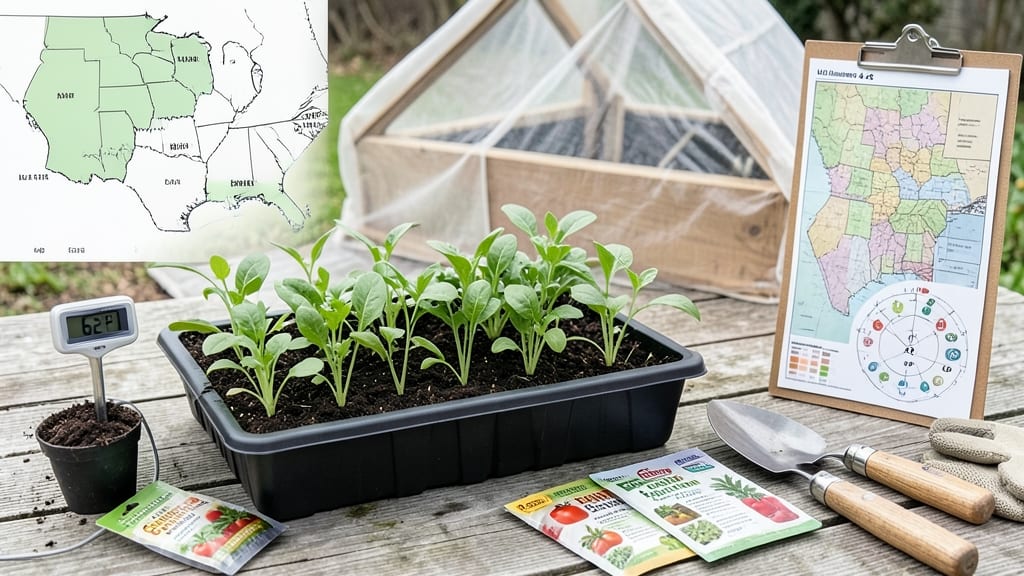
Planting your garden in Michigan at the right time means the difference between a bountiful harvest and a sad, frost-nipped failure — and the window opens as early as mid-April for hardy crops.
Michigan gardeners know timing is everything: plant too early and frost will strike, too late and your harvest suffers. Whether you're sowing cool-season greens or waiting for the soil to warm for tomatoes, getting the schedule right is the key to success in Zones 5b-6b.
One wrong move, and you could lose weeks of growth — or worse, your entire crop.
This isn’t just about memorizing dates; it’s about reading your local microclimate. Northern Michigan’s Upper Peninsula plays by different rules than Detroit’s urban heat islands, and even a five-day delay can mean the difference between thriving zucchini and sad, stunted vines.
Below, I break down the exact planting windows for everything from peas to peppers, plus how to protect seedlings when Mother Nature throws a curveball.
You’ll learn when to start seeds indoors, which crops can handle Michigan’s unpredictable springs, and how to stretch your growing season into fall. No more guessing — just a foolproof plan for frost-free planting that actually works.
Michigan planting calendar: exact dates by Zone 5 & 6 for frost-sensitive vegetables
Michigan’s Zone 5 and 6 climates demand precision when planting frost-sensitive vegetables. The last spring frost typically arrives between April 15 and May 15, but this varies by region—Detroit averages April 15, while the Upper Peninsula may wait until May 10.
Warm-season crops like tomatoes, peppers, and cucumbers need soil temperatures above 50°F to thrive, so timing is critical to avoid frost damage.
For Zone 5 gardeners, the growing season is shorter, so starting seeds indoors 4-6 weeks before the last frost is wise. In Zone 6, you have a slightly longer window, but late frosts can still occur.
Always check your local Michigan State University Extension frost date maps for the most accurate predictions each year.
Below is your frost-sensitive planting calendar for Michigan, tailored to tomatoes, peppers, cucumbers, eggplants, and squash. These crops cannot tolerate frost and must be planted after the last frost date—or protected until then.
If you’re in a late-frost year, use row covers or a cold frame to protect young plants until the threat passes. For Zone 5, consider starting peppers and eggplants indoors in March to give them a head start.
In Zone 6, you can plant slightly earlier, but always monitor weather forecasts for late-season frosts.
For fall planting, aim to sow frost-sensitive crops by August 1 in Zone 6 or August 15 in Zone 5. These late-season crops benefit from longer daylight and can mature before the first frost in October. Choose fast-maturing varieties like bush beans or zucchini for the best results.
Pro tip: Use a soil thermometer to confirm soil temperatures are above 50°F before planting. Cold soil can stunt growth, even if air temperatures are warm. For peppers and tomatoes, wait until soil reaches 60°F for optimal germination.
Remember, Michigan’s weather is unpredictable. If you’re unsure, harden off seedlings gradually and keep them near a south-facing wall for extra warmth. With the right timing, you’ll enjoy a bountiful harvest of
How to adjust planting times for Michigan’s unpredictable spring weather
Michigan’s Zone 5 and 6 springs are famously unpredictable—one year’s last frost can arrive weeks earlier or later than the average. As a gardener who’s lost more than a few tomato seedlings to late frosts, I’ve learned to adapt.
The key isn’t just following a calendar; it’s using protective strategies to extend your growing season safely. Whether you’re planting warm-season crops like peppers or hardy greens, these tactics will help you beat Michigan’s weather.
Start by monitoring soil temperatures—most warm-season plants need soil at 50°F or warmer to thrive. A soil thermometer is your best friend here. I’ve also found that transplanting seedlings after they’ve developed 2-3 true leaves gives them a better chance to recover from temperature swings.
But even then, Mother Nature can throw curveballs, so always have a backup plan.
⚠️ Late Frost Warning: Don’t Rely on Averages!
Michigan’s last frost can vary by 2-3 weeks from the average date (April 15–May 15). In 2021, Detroit saw frost as late as May 20, while 2018 had early frosts in April. Solution: Use row covers or cold frames to protect seedlings until May 10 in most of the state. For Upper Peninsula gardeners, wait until May 25—late frosts are more common there.
One of my go-to tools is floating row covers, which add 2-4°F of warmth and shield plants from light frosts (down to 28°F). I drape them over seedling trays or young transplants, securing the edges with bricks or stakes.
For extra insurance, I’ve used black plastic mulch to warm the soil faster—this can give warm-season crops a 1-2 week head start in the ground.
If you’re planting tomatoes, peppers, or eggplants early, consider a cold frame or mini greenhouse. These create a microclimate that can extend your season by 4-6 weeks on either end.
I’ve had success with low-cost cold frames made from wooden boxes and plexiglass, costing under $50. Just remember to ventilate on warm days to prevent overheating.
Another trick I’ve picked up is transplanting in stages. Instead of planting all your cucumber or squash seedlings at once, stagger them 10-14 days apart. This way, if a late frost hits, you’ll still have some healthy plants left to grow.
I also harden off seedlings for 7-10 days before transplanting—this means gradually exposing them to outdoor conditions (wind, sun, cooler temps) to toughen them up.
For cool-season crops like spinach or kale, the strategy shifts to succession planting. Sow seeds every 2 weeks starting 4-6 weeks before your last frost date. This ensures a continuous harvest and reduces the risk of losing your entire crop to a heatwave or pest outbreak.
I’ve even planted radishes under shade cloth in late summer for a fall harvest—they tolerate cooler temps beautifully.
Finally, keep an eye on the 10-day forecast and the National Weather Service’s frost predictions. I’ve learned to trust local gardening groups on Facebook or Michigan State University Extension updates for real-time advice.
With these strategies, you’ll turn Michigan’s unpredictable spring into a growing opportunity instead of a gamble. Your tomatoes will thank you! 🌱