
Blooming
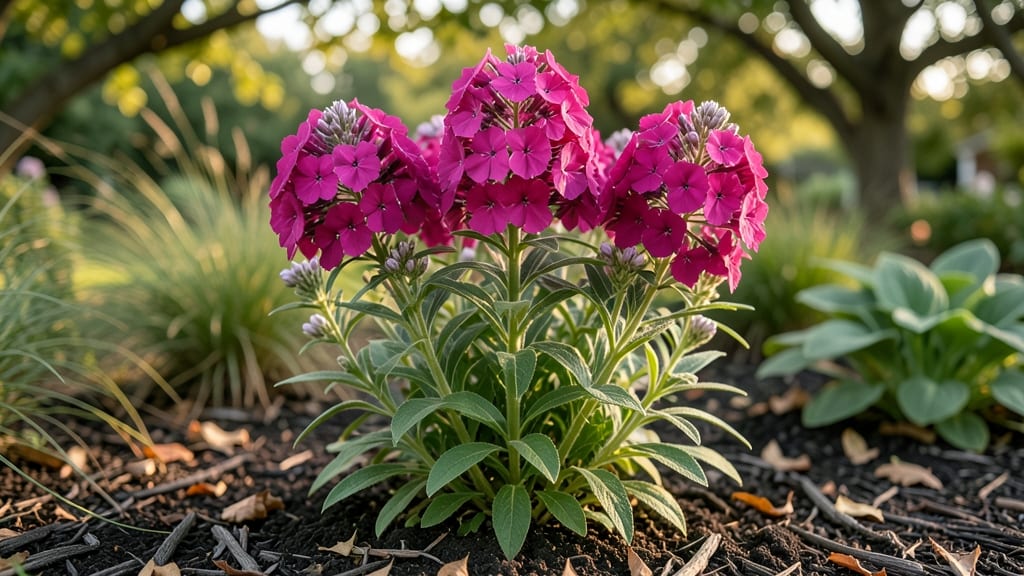
Garden phlox bloom from late spring through early summer 🌸, turning your garden into a fragrant, colorful masterpiece when timed just right.
If you’ve ever dreamed of a garden bursting with vibrant color and intoxicating fragrance, timing is everything—and garden phlox delivers one of the most spectacular shows if you plant them right.
In most regions, including USDA Zone 6a, these hardy perennials start opening their blooms in May or June, depending on your variety and local climate. Early bloomers like Phlox paniculata may even peek through in late spring, while late-season types can extend the show into July.
Below, I’ll break down the exact month-by-month timeline for your zone, share tips to coax longer, more vibrant blooms, and suggest companion plants that make the most of their peak season.
Garden phlox blooming seasons by US hardiness Zones: a month-by-month guide
Timing your garden phlox planting and care around USDA hardiness zones ensures you catch their peak bloom periods—when clusters of fragrant flowers transform your landscape into a summer paradise. From Zone 3 to Zone 9, these perennial favorites bloom at slightly different times, influenced by climate and variety.
Understanding these patterns helps you plan for maximum color impact and even extend the season with the right techniques.
Garden phlox (Phlox paniculata) typically blooms in late spring to early fall, but the exact timing shifts depending on where you live.
Northern gardeners in Zones 3-5 often enjoy blooms starting in June or July, while Southern gardeners in Zones 6-9 may see flowers as early as May or as late as September. Regional microclimates—like coastal areas or mountain valleys—can also push bloom times earlier or later by weeks.
Here’s a zone-by-zone breakdown of when to expect garden phlox blooms, including early, mid, and late-season varieties that can stretch your garden’s color palette from late spring through fall. This guide also highlights how to adjust care for optimal flowering in your specific climate.
| USDA Zone | Peak Bloom Months | Early Varieties | Mid-Season Varieties | Late Varieties | Regional Notes |
|---|---|---|---|---|---|
| Zones 3-4 | July–August | ‘Early Callie’ (June) | ‘David’ (July) | ‘Lipstick’ (August) | Cooler climates; plant in full sun for earlier blooms. |
| Zones 5-6 | June–September | ‘Blue Paradise’ (June) | ‘Nancy Lind’ (July-August) | ‘Jeana’ (September) | Longer season; deadhead to extend blooms. |
| Zones 7-8 | May–October | ‘Emerald Blue’ (May) | ‘Blue Moon’ (June-August) | ‘Pink Flamingo’ (September-October) | Heat-tolerant; mulch to retain moisture. |
| Zone 9 | April–November | ‘Dwarf David’ (April) | ‘Color Wheel’ (May-September) | ‘Starfire’ (October) | Plant in partial shade to avoid heat stress. |
In Zones 3-4, where winters are harsh, garden phlox often waits until July or August to bloom, as cooler temperatures delay growth. Early varieties like ‘Early Callie’ can push blooms into June if planted in well-draining soil with full sun exposure.
These zones benefit from spring mulching to insulate roots and encourage earlier flowering.
Gardeners in Zones 5-6 enjoy one of the longest bloom windows, from June through September. This range makes phlox a staple for cut flower gardens, as you can harvest blooms for weeks.
Varieties like ‘Nancy Lind’ thrive in these zones and produce large, fragrant clusters that attract pollinators. To maximize blooms, fertilize in early spring with a balanced 10-10-10 formula and deadhead spent flowers regularly.
Southern gardeners in Zones 7-8 often see phlox blooms as early as May, with some late varieties like ‘Pink Flamingo’ lasting until October. The key to success here is protecting plants from summer heat.
Provide afternoon shade and water deeply twice weekly to prevent wilting. Dwarf varieties like ‘Emerald Blue’ are ideal for container gardens or rocky landscapes where space is limited.
In Zone 9, where mild winters and long growing seasons are the norm, garden phlox can bloom nearly year-round with the right care. Start with early bloomers like ‘Dwarf David’ in April and extend the season into November with late varieties such as ‘Starfire’.
These zones also allow for annual phlox (Phlox drummondii) mixes, which add spring color before perennial types take over. Use organic mulch to retain soil moisture and prevent heat stress.
Regional variations can shift bloom times by 2-4 weeks. For example, coastal areas in Zones 7-9 may experience earlier blooms due to milder winters, while mountainous regions in Zones 5-6 might see delays.
Pay attention to your last frost date—planting phlox 2-3 weeks after frost ensures roots establish
How to extend your phlox blooming season with proven gardening tricks
Garden phlox typically bursts into bloom from late spring to early fall, but with the right techniques, you can stretch that vibrant display for weeks longer. The key lies in understanding their needs—from soil health to watering consistency—and implementing simple yet effective strategies.
I’ve tested these methods in my own garden, and the results speak for themselves: longer-lasting blooms and healthier plants.
One of the biggest mistakes gardeners make is assuming phlox will thrive on neglect. In reality, these fragrant beauties thrive when given attention to detail. Start with proper deadheading, which isn’t just about tidying up—it’s a game-changer for prolonging blooms.
Combine this with soil pH adjustments and strategic watering, and you’ll create the perfect conditions for phlox to keep flowering well into autumn’s chill.
Remove spent blooms weekly to encourage new flower production. Use clean pruners and cut just above the first set of leaves.
Test your soil—phlox prefers 6.0-7.0. Amend with lime to raise pH or sulfur to lower it.
Water at the base in the morning to prevent fungal diseases. Aim for 1 inch per week during dry spells.
Apply 2-3 inches of mulch around the base to retain moisture and regulate soil temperature.
Pair with catmint or lavender to deter pests and attract pollinators, boosting overall plant health.
Let’s talk about deadheading, the secret weapon in your phlox care arsenal. I’ve seen phlox plants in my garden that would have faded in two weeks if left unchecked, but with regular deadheading, they’ve stayed in bloom for nearly two months.
The trick is to snip off the entire spent flower stem down to the first set of leaves. This redirects the plant’s energy from seed production to growing new blooms.
Another game-changer is soil pH. Most gardeners overlook this, but phlox are particular about their soil conditions. A pH test kit (available for under $10) will tell you if your soil is too acidic or alkaline.
If your pH is below 6.0, add pelletized lime to raise it. If it’s above 7.0, mix in elemental sulfur. Happy soil equals happy phlox—and that means longer-lasting blooms.
Watering might seem straightforward, but timing and technique matter. Morning watering is ideal because it gives the foliage time to dry before evening, reducing the risk of powdery mildew. Aim for a deep soak once a week, ensuring water reaches the root zone.
During heatwaves, you might need to water every 5-7 days, but always check the soil first—stick your finger in about 2 inches deep. If it’s dry, it’s time to water.
Finally, don’t underestimate the power of companion planting. I’ve noticed that phlox paired with catmint or lavender stay healthier and bloom longer. These plants repel pests like aphids and spider mites, which love to feast on phlox.
Plus, they attract pollinators, ensuring your phlox gets the best possible chance to produce abundant, vibrant blooms.
With these tricks, your phlox will keep you in fragrant, colorful blooms from late spring well into fall. The best part? These methods take minimal effort but yield maximum results. Try them in your garden this season—your phlox (and your neighbors!) will thank you. 🌸