Blooming
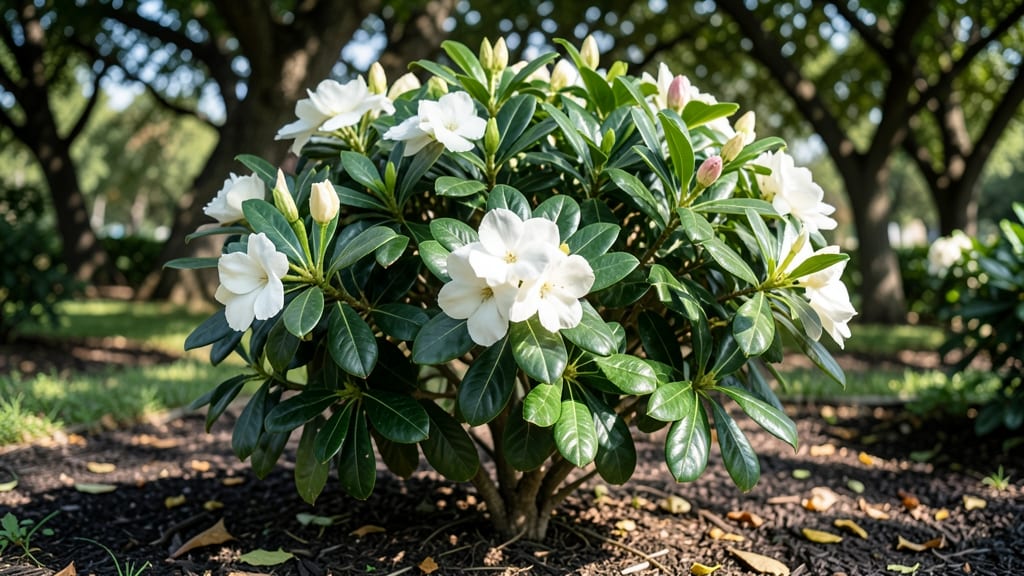
Gardenia bushes bloom in late spring through summer 🌸, with timing that shifts dramatically depending on your climate zone and a few key growing conditions.
If you’ve ever dreamed of filling your garden with the intoxicating fragrance of gardenias, timing is everything—these delicate blooms thrive on precise seasonal cues. But knowing exactly when your gardenia bushes will burst into fragrant white or creamy yellow flowers depends on where you live.
In warmer zones like 7b and above, gardenias often start blooming as early as May, while cooler regions like Zone 6a may not see flowers until June or July. Even a 10-degree difference in average temperature can push blooms weeks earlier or later.
Below, I’ll break down the month-by-month blooming timeline by climate zone, plus the simple adjustments you can make to encourage earlier or longer blooms—so you’re never left waiting for that first sweet, creamy scent.
Gardenias bloom timeline by USDA climate zones (with exact months)
Gardenias are famous for their intense fragrance and glossy white blooms, but their blooming schedule varies dramatically depending on your USDA climate zone. In warmer zones, gardenias may bloom year-round, while in cooler regions, they follow a strict seasonal rhythm tied to temperature shifts.
Understanding these patterns helps you anticipate blooms and optimize care for maximum fragrance.
Most gardenias need consistent warmth to trigger blooming, with daytime highs above 70°F and nighttime lows above 60°F as key thresholds. In Zone 7, for example, blooms often align with the last frost date, while Zone 11 gardenias may flower in three distinct waves annually.
Let’s break down the exact months for each zone so you know when to expect those heavenly-scented blooms.
| USDA Zone | Early Blooms | Peak Blooms | Late Blooms | Temperature Trigger |
|---|---|---|---|---|
| Zone 7 | Late May | June–July | Early August | 65°F+ daytime |
| Zone 8 | Early May | May–September | October | 70°F+ consistently |
| Zone 9 | March–April | April–November | December (light) | 75°F+ minimum |
| Zone 10 | January–February | February–December | Year-round | 80°F+ year-round |
| Zone 11 | All year | Spring & Fall | Summer (heaviest) | 85°F+ year-round |
In Zone 7, gardenias typically bloom from late May through August, with peak fragrance in June and July. This aligns with the last frost date in most areas, as gardenias need stable warmth to set buds.
If you notice buds forming but not opening, it’s often due to temperature fluctuations—a common issue in transitional zones like Zone 7b.
Gardeners in Zone 8 enjoy a longer blooming window, from early May to October, with a secondary flush in late summer. The key here is consistent moisture—drought stress can cause buds to drop.
In Zone 8a, where nights dip below 60°F, blooms may slow in September until temperatures rebound.
Warmer climates like Zones 9–11 offer near-continuous blooming, but even here, gardenias follow seasonal patterns.
In Zone 9, expect heavy blooms in spring and fall, while Zone 10 gardenias may produce three distinct waves: winter, spring, and summer. Zone 11 gardenias are the most prolific, flowering year-round with peak intensity in spring and fall.
To encourage earlier blooms, prune lightly in late winter to remove dead wood and fertilize with acidic nutrients in early spring. In cooler zones (7–8), a light winter mulch protects roots from temperature swings, which can delay bud formation.
Meanwhile, in warmer zones (9–11), regular pruning after each bloom cycle keeps plants compact and productive.
One pro tip: Monitor your gardenia’s leaves for color changes. Dark green, glossy leaves signal readiness to bloom, while yellowing or wilting often means stress from overwatering or nutrient deficiency. In Zone 10 and 11, where blooms are year-round, rotate fertilizer types seasonally to avoid
How to predict gardenia blooming time based on your local weather
Your gardenia bushes don’t bloom on a strict calendar—they respond to local weather patterns like temperature shifts, rainfall timing, and heat waves. In my Zone 8 garden, I’ve learned that bud formation often starts when daytime highs hit 70°F consistently for 2 weeks.
But if you live in a cooler zone, like Zone 7, those first fragrant white blooms might not appear until late June instead of May.
Even within the same zone, microclimates matter. A gardenia near a large tree or brick wall may bloom 2-3 weeks earlier than one in an open, windy area.
I once had two identical gardenias—one bloomed in early June, while the other waited until July because of afternoon shade differences. Pay attention to where your plant receives the most morning sunlight and evening coolness.
- 1 Frost Dates: Gardenias never bloom if frost hits after buds form. In Zone 9, I mark my calendar for the last frost date (usually mid-March) and start watching for bud swell 6-8 weeks later.
- 2 Heat Waves: Temperatures above 90°F can stress buds and cause them to drop. In my Zone 10 garden, I use shade cloth during summer peaks to protect new flower buds from wilting before they open.
- 3 Rainfall Patterns: Too much rain in late spring can delay blooming by leaching nutrients. I test soil moisture weekly—if it’s soggy, I reduce watering to every 5-7 days instead of daily.
- 4 Humidity Levels: Low humidity (40% or below) can stunt flower development. In dry climates, I use a humidifier near potted gardenias or mulch heavily to retain moisture in the root zone.
To encourage earlier blooms, I’ve found that pruning in late winter (just as buds begin to swell) stimulates new growth. Cut back overly leggy branches by one-third to redirect energy toward flower production.
Avoid heavy pruning after June, though—this can delay next year’s blooms by forcing the plant to focus on foliage instead.
If your gardenia is skipping blooms entirely, check for nutrient deficiencies. I always fertilize with an acid-loving plant formula (like Azalea/Camellia mix) in early spring and again after the first flush of blooms.
A soil pH test is key—gardenias thrive in acidic soil (pH 4.5-6.0). If your soil is alkaline, amend it with peat moss or sulfur to create the perfect environment.
Pro tip: Track your gardenia’s personal blooming history. I keep a simple journal noting when buds appear, how long they take to open, and any weather anomalies (like unexpected heat waves).
Over 3 years, I’ve narrowed down my gardenia’s predictable bloom window to within a 2-week range—now I can plan my summer garden parties around those fragrant white blooms! 🌸