Blooming
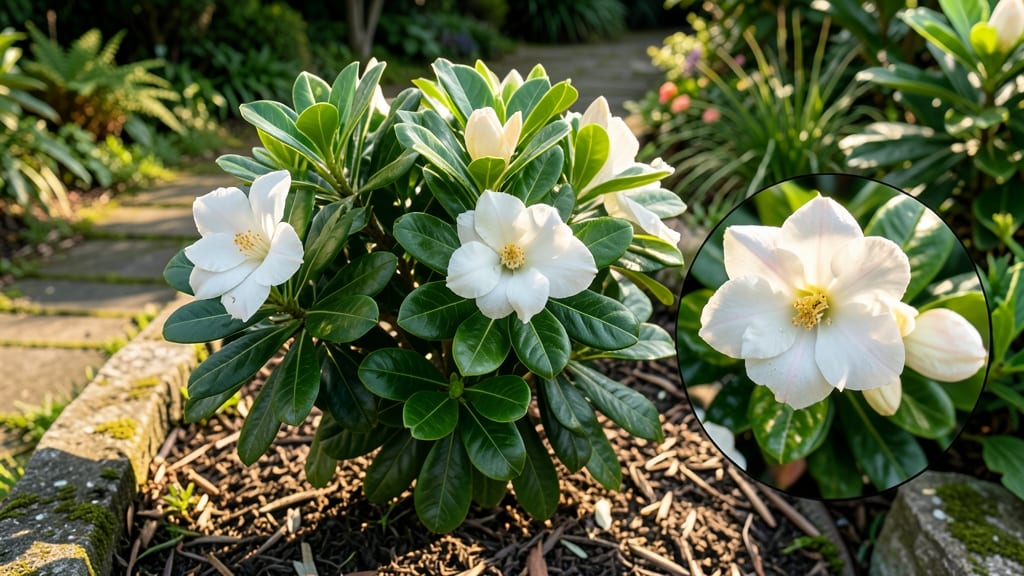
Gardenia blooms in Florida typically stretch from spring through fall, with some varieties even defying the norm by flowering year-round in the right conditions.
If you’ve ever dreamed of waking up to the intoxicating fragrance of gardenias in your Florida garden, timing is everything—because these tropical beauties don’t bloom on the same schedule.
Some varieties burst into flower as early as March, while others wait until late summer, and a few even defy the norm with year-round blooms.
Florida’s frost-free zones (9a-11) and high humidity create the perfect environment for gardenias, but the exact bloom window depends on the variety. For example, Gardenia jasminoides—the classic fragrant shrub—usually peaks in April and May, while others like the compact ‘Kleim’s Hardy’ may extend blooms into October.
Below, I’ll break down the exact months for Florida’s most popular gardenia types, plus pro tips to encourage earlier or later blooms—so you can enjoy those creamy-white flowers (and that heavenly scent) for as long as possible.
Florida gardenia bloom seasons: exact months by variety
Florida gardenias are famous for their creamy-white blossoms and intoxicating fragrance, but their bloom times vary dramatically by variety. In my USDA Zones 9a-11, some gardenias burst into flower as early as February, while others wait until September.
Understanding these patterns helps you plan your garden for year-round color and scent. The key difference? North Florida varieties often bloom earlier due to cooler winters, while South Florida gardenias may extend blooming into late fall.
For gardeners in Central Florida, the transition zone, you’ll find a mix of early and late bloomers that create a continuous flowering season. My top tip: Pair early and late varieties together to enjoy gardenias from spring through fall.
For example, the Radicans variety starts blooming in March while Kleim's Hardy may not peak until July. This strategic planting creates a non-stop floral display that’s perfect for Florida’s warm climate.
Here’s the exact bloom schedule for Florida’s most popular gardenia varieties, adjusted for regional differences. These timelines assume optimal growing conditions—acidic soil (pH 5.0-6.5), partial shade, and consistent moisture. If your gardenia isn’t following this schedule, we’ll cover adjustments in the next section.
| Variety | North FL Bloom | Central FL Bloom | South FL Bloom | Notes |
|---|---|---|---|---|
| Radicans | March–May | February–April | January–March | Early bloomer; drought-tolerant |
| Kleim's Hardy | June–August | May–July | April–June | Cold-hardy; blooms late |
| Veitchii | April–June | March–May | February–April | Large flowers; needs humidity |
| Fortuniana | May–July | April–June | March–May | Fragrant; loves coastal climates |
| Mystery | July–September | June–August | May–July | Heat-loving; late bloomer |
| Augusta | April–June | March–May | February–April | Compact; great for containers |
| Clew | June–August | May–July | April–June | Disease-resistant; reliable bloomer |
| Kleim's Hardy™ | August–October | July–September | June–August | Extended blooming; cold-tolerant |
| Radicans™ | March–May | February–April | January–March | Dwarf variety; early bloomer |
| Veitchii™ | April–June | March–May | February–April | Double blooms; needs protection |
If you’re in North Florida, focus on varieties like Radicans and Augusta for early spring blooms, then transition to Kleim's Hardy for summer color. In South Florida, where winters are milder, you can enjoy year-round blooming
Why Florida’s climate affects gardenia blooming times
Florida’s humid subtropical climate creates the perfect conditions for gardenias to thrive, but it also means their blooming cycles vary dramatically across the state.
Unlike northern climates with distinct seasons, Florida’s frost-free zones 8-11 allow gardenias to bloom year-round in ideal conditions—but timing still shifts based on microclimates and care adjustments.
Coastal areas like Miami often see blooms from spring through fall, while inland regions like Orlando may experience delayed blooms until late summer or even sporadic winter flowering.
Temperature plays a critical role: gardenias prefer 70-85°F daytime temps to trigger bud formation. When summer heat exceeds 90°F for weeks, blooms may slow or stop entirely. Meanwhile, humidity levels above 60% (common in Florida) help maintain lush foliage, but excessive moisture can lead to bud drop.
Understanding these climate factors lets you predict and extend your gardenia’s flowering season with simple adjustments.
Climate Warning for Florida Gardenias
Florida’s coastal vs. inland microclimates create 30-60 day bloom delays. Coastal gardenias (e.g., Miami, Fort Lauderdale) bloom earlier and longer due to moderate temps and ocean breezes, while inland areas (e.g., Tallahassee, Gainesville) may see blooms shift 2-3 months later because of hotter summers and drier air. Never prune in winter—Florida’s mild winters can still stress plants, and pruning too late may remove next year’s flower buds.
One of the biggest misconceptions is that gardenias bloom only in summer. In reality, Florida’s mild winters (50-75°F) can trigger winter blooming in varieties like Gardenia jasminoides 'Radicans', while others like 'Kleim’s Hardy' may produce spring and fall blooms when days are cooler.
The key is light pruning after blooms to encourage new growth—this prevents overcrowding and extends the flowering window by 4-8 weeks.
Fertilization timing also shifts bloom cycles. Gardenias need high-phosphorus fertilizer (6-10-10 NPK) in early spring to kickstart blooms, but over-fertilizing in summer can lead to leafy growth instead of flowers. I’ve found that monthly applications of acidic fertilizer (pH 5.5-6.5) from March to September keeps my gardenias blooming continuously.
For coastal gardens, reduce winter feeding entirely—salt spray from ocean winds can burn roots and stress plants.
Microclimate adjustments can make a huge difference. If you’re in a hot inland area, provide afternoon shade with a lightweight shade cloth (30-50%) to prevent bud drop. Conversely, coastal gardeners should avoid wind exposure—plant near a windbreak hedge or fence to protect delicate blooms.
Mulching with pine bark (2-3 inches) helps maintain soil moisture and acidity, which is critical for bud formation.
For gardeners in North Florida (Zone 8), where brief cold snaps can occur, winter protection is key. Wrap young plants in burlap or use a frost blanket if temps drop below 30°F.
Even in South Florida (Zone 11), hurricane season (June-November) can damage blooms—prune lightly in late spring to avoid wind damage while still encouraging summer flowering.
By understanding these climate-specific triggers, you can control bloom timing to enjoy gardenias year-round. My 'Veitchii' variety, for example, now blooms from April through October thanks to strategic pruning and coastal shade adjustments.
With the right care, your gardenias can defy Florida’s seasonal quirks and keep you in fragrant blooms for months at a time. 🌸