
Planting
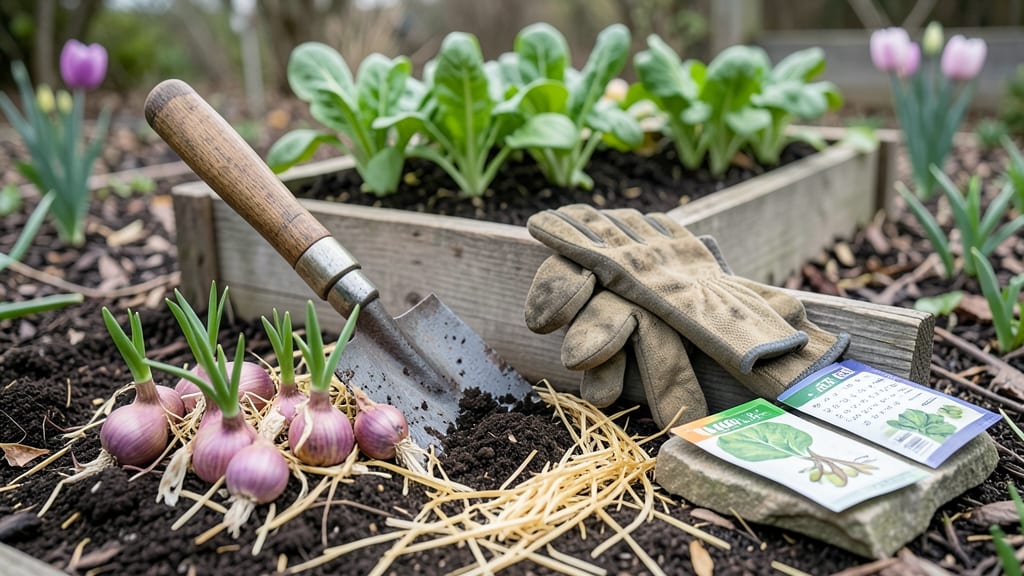
Planting a garden in Ohio after the last frost—typically mid-April to mid-May—sets the stage for a thriving harvest, but timing is everything.
Ohio’s unpredictable spring weather can turn your gardening dreams into a gamble unless you know the exact last frost dates for your county. Plant too early, and frost will wipe out your seedlings; too late, and you’ll miss peak harvests. Here’s your county-by-county guide to timing plantings perfectly.
Whether you’re sowing cool-season crops like spinach or waiting for warm-season favorites like tomatoes, understanding Ohio’s USDA zones 6a-6b and regional microclimates is the key. Urban areas may warm up faster than rural spots, so local frost data matters more than generic advice.
Below, you’ll find actionable tips—from soil prep to transplanting—plus a checklist to avoid common mistakes. Ready to grow? Let’s get started.
Ohio’s last frost dates by county: the critical timeline for planting
Ohio’s last average frost dates vary dramatically from county to county, making it essential to know your exact USDA hardiness zone (typically 5a-6b).
In northern counties like Ashtabula or Trumbull, frost lingers until May 15, while southern regions like Hamilton or Montgomery often see their last frost by April 15.
These dates determine when to plant warm-season crops like tomatoes and peppers—or when to start cool-season crops like spinach and peas indoors.
Understanding these timelines helps you avoid frost damage while maximizing your harvest window. For example, planting tomatoes too early in Lorain County (last frost: April 25) risks killing tender seedlings.
Meanwhile, cold-hardy kale can handle light frosts and may even thrive if planted in March in Adams County (last frost: April 10).
Below is a regional breakdown of Ohio’s last frost dates, organized by USDA zones and planting recommendations. Use this as your guide to time seed starting, transplanting, and succession planting for a bountiful garden.
🌱
How to Adjust planting dates for Ohio’s unpredictable weather patterns
Ohio’s weather can be as unpredictable as a toddler’s mood—one day it’s warm enough to plant tomatoes, the next you’re shoveling snow. To beat this chaos, I’ve learned to use a mix of frost-free date calculators, season-extending tools, and cold-hardy plant varieties.
These tricks help me avoid the heartbreak of frost-nipped seedlings or missed harvests. Let’s break down how to stay one step ahead of Mother Nature.
First, I always check the Ohio State University Extension frost date maps for my specific county. These maps provide average last frost dates, but I never rely on averages alone. Instead, I track real-time weather updates from the National Weather Service and local agricultural reports.
For example, in USDA Zone 6a, my northern Ohio garden typically sees its last frost around April 20th, but I’ve seen it fluctuate by two weeks either way.
Here’s my step-by-step strategy for adjusting planting dates when Ohio’s weather throws curveballs:
- 1 Use frost-free date calculators like the Old Farmer’s Almanac or Almanac.com to input your ZIP code. These tools factor in historical data and give you a 10-day window for planting warm-season crops like tomatoes and peppers.
- 2 Extend your season with row covers or low tunnels. These can push your planting window back by 2-4 weeks in spring and extend it by 3-6 weeks in fall. For example, I use floating row covers to protect basil and lettuce from late spring frosts.
- 3 Choose cold-hardy varieties like spinach, peas, and kale for early spring plantings. These can handle light frosts down to 25°F and give you an early harvest before warm-season crops are ready.
- 4 Adjust for microclimates. Urban areas like Columbus can be 5-10°F warmer than rural zones due to the heat island effect. If you’re in a city, you might plant warm-season crops 1-2 weeks earlier than rural gardeners.
- 5 Monitor soil temperature with a soil thermometer. Most warm-season crops need soil temps of at least 50°F to germinate. If your soil is still cold, wait—even if the air feels warm.
Another trick I swear by is succession planting. Instead of planting all my lettuce or radishes at once, I stagger plantings every 2 weeks. This ensures a steady harvest and reduces the risk of losing everything to a single late frost.
For example, I plant a batch of radishes on April 1st, April 15th, and May 1st—that way, I get fresh radishes all summer long.
Don’t forget to account for Ohio’s fall frosts, which can sneak up earlier than expected. I always have row covers ready to protect broccoli, Brussels sprouts, and kale well into October.
In my Zone 6a garden, the first frost usually hits around October 15th, but I’ve seen it arrive as early as September 20th in some years. To extend the season, I use black plastic mulch to warm the soil and cold frames to protect tender crops.
Finally, I keep a gardening journal to track my own observations. Note when frosts occur, how long your season lasts, and which varieties thrive in your microclimate. Over time, you’ll build a personalized planting calendar that’s far more reliable than any average frost date.
With these strategies, you’ll turn Ohio’s unpredictable weather into an advantage—not a setback. 🌱