Fertilization
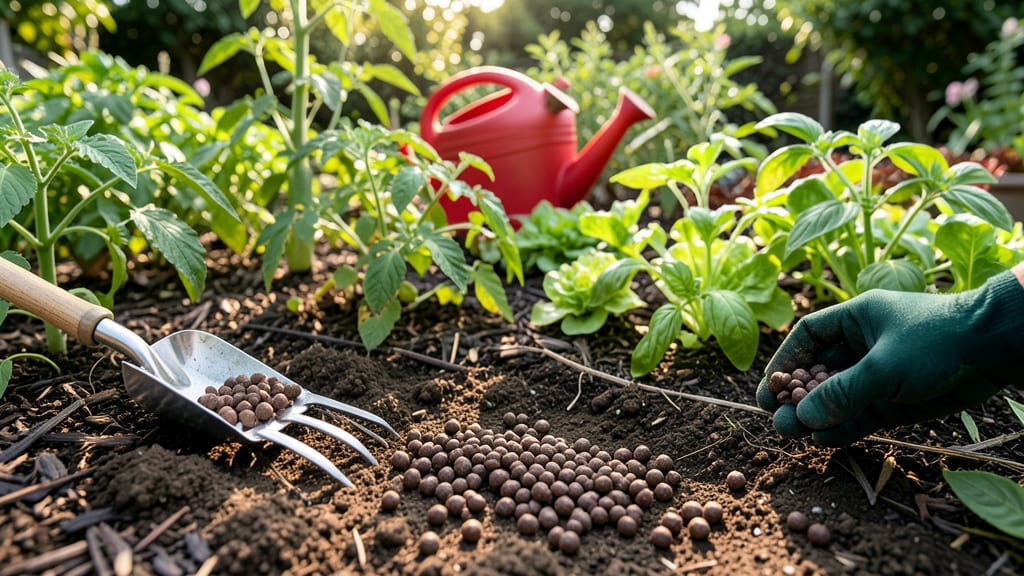
To fertilize your garden at the best time means feeding plants when they’re ready to absorb nutrients—not before or after, when the timing throws everything off.
Timing your garden fertilization perfectly can mean the difference between lush, thriving plants and wasted nutrients—and checking soil temperature is the secret weapon most gardeners overlook.
In USDA Zone 6a, where spring arrives slowly and summer heat hits fast, the ideal window for most General Garden plants is early spring (March–May) and again in late summer (August–September).
Below, I break down the exact soil temps to watch for, seasonal adjustments for vegetables vs. flowers, and how to avoid the 5 biggest mistakes that ruin your fertilization timing.
Optimal soil temperature ranges for fertilizing different plants
Soil temperature isn't just about whether your plants will grow—it determines how well they absorb nutrients from fertilizer. When soil is too cold, microbes break down organic matter slowly, and roots struggle to take up essential nitrogen, phosphorus, and potassium.
Conversely, soil that's too hot can burn tender root systems, locking out nutrients before plants can use them.
Most gardeners focus on air temperature or frost dates, but soil temperature is the real game-changer. A simple soil thermometer (just $10 at garden centers) reveals when your garden is truly ready for fertilization.
For example, cool-season crops like spinach and kale thrive when soil hits 50°F-60°F, while warm-season plants like tomatoes and peppers need 60°F+ to avoid stress.
Here’s the science: Microbes in the soil activate at different temperatures, breaking down organic fertilizers into plant-available forms. Below 50°F, microbial activity drops by 50% or more, meaning your compost or manure might as well be mulch.
Above 75°F, roots can become nutrient-burned if fertilizers aren’t watered in properly.
Regional adjustments matter too. In USDA Zone 5 or colder, wait until soil reaches 55°F before fertilizing spring crops. In Zones 7-10, you can fertilize warm-season plants as early as February if soil stays above 60°F.
Even in mild climates, early morning soil temps can be 10°F cooler than afternoon readings—check before applying fertilizer.
Why this matters: Fertilizing at the wrong temperature wastes money and harms plants. For instance, broccoli seedlings fertilized in 40°F soil may bolt (go to seed) prematurely, while peppers in 70°F+ soil without enough water can develop blossom-end rot despite having fertilizer.
Pro Tip: Use a soil thermometer for 3-5 days to spot trends. If temps fluctuate between 50°F-60°F daily, wait until they stabilize. For container gardens, soil warms faster—monitor closely to avoid over-fertilizing.
| Plant Type | Optimal Soil Temp (°F) | Best Fertilization Time | Notes |
|---|---|---|---|
| Cool-Season Veggies | 50°F–60°F | Early spring/fall | Spinach, kale, peas. Use low-nitrogen fertilizer. |
| Warm-Season Veggies | 60°F+ | Late spring/early summer | Tomatoes, peppers, cucumbers. Balanced NPK (10-10-10). |
| Perennials (e.g., roses) | 55°F–65°F | Early spring or post-bloom | Fertilize when new growth appears. |
| Lawns (Cool-Season) | 50°F–60°F | Late winter/early spring | Apply slow-release fertilizer before mowing. |
| Lawns (Warm-Season) | 65°F+ | Late spring/summer | Bermuda grass, zoysia. Avoid fall fertilization. |
| Flowers (Annuals) | 55°F–70°F | After last frost | Marigolds, zinnias. Use phosphorus-rich starter. |
If you’re fertilizing in early spring or fall, pay extra attention to morning soil temps. A 50°F soil at dawn might spike to 65°F by noon—ideal for warm-season plants.
For organic fertilizers like compost or manure, wait until soil hits 60°F to ensure microbes are active enough to break them down.
In drought-prone areas, fertilizing when soil is too hot (>80°F) can stress plants. Instead, water deeply first
Seasonal fertilization schedule by plant type: early spring vs. late summer
Fertilizing your garden at the right time ensures your plants get the nutrients they need without wasting resources. Cool-season crops like lettuce and broccoli thrive with early spring fertilization, while warm-season plants such as tomatoes and peppers need late summer boosts.
The key is aligning your schedule with plant growth cycles and soil conditions.
I’ve learned that organic fertilizers release nutrients slowly, making them ideal for early spring applications, while synthetic fertilizers provide quick results for late summer feeding. Understanding these differences helps you avoid over- or under-fertilizing, which can stress your plants or pollute the environment.
- 🌱 Early Spring (March-April): Fertilize cool-season crops like spinach, peas, and carrots when soil temps hit 50°F-60°F. Use a balanced 10-10-10 fertilizer or compost.
- 🌿 Late Spring (May-June): Shift to warm-season plants (tomatoes, peppers, basil) once soil reaches 60°F+. Apply slow-release granules or liquid feed.
- ☀️ Late Summer (August-September): Give vegetables and flowers a mid-season boost with high-phosphorus fertilizer (e.g., 5-10-10) to encourage blooms and fruit set.
- 🌳 Lawns: Fertilize cool-season grasses (like fescue) in early spring and fall, while warm-season grasses (like Bermuda) need late spring/early summer feedings.
- ✂️ Perennials: Fertilize newly planted perennials in early spring and established ones in late summer to prep for winter.
For organic gardeners, I recommend applying compost or manure tea in early spring to build soil health gradually. Synthetic fertilizers, on the other hand, are better suited for late summer when plants need an immediate nutrient kick to finish strong before cooler weather arrives.
Regional adjustments matter too! In USDA Zone 6a, I fertilize cool-season crops in late March and warm-season plants in mid-May, but gardeners in warmer zones may start earlier. Always check your last frost date and soil temperature to time fertilizations perfectly.
Pro tip: Water deeply before and after fertilizing to help nutrients reach roots. Avoid fertilizing when rain is forecasted, as it can wash away precious nutrients before plants can absorb them.