Fertilization
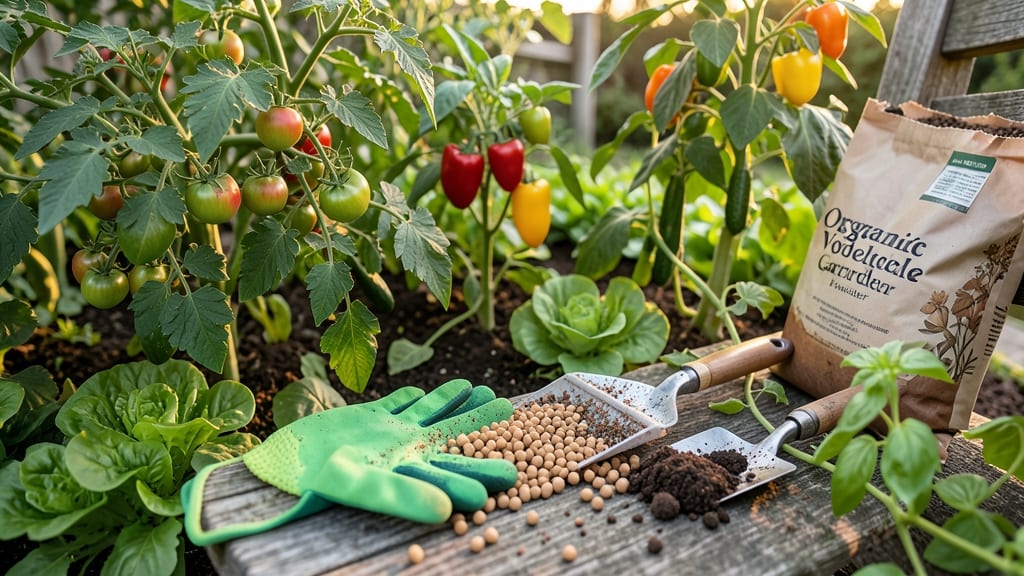
Should you fertilize your garden now or wait until the soil warms up? Timing this step wrong can mean wasted nutrients—or even harm your plants.
Picture this: you’ve just planted your spring seedlings 🌱, but instead of thriving, they wilt or burn. That’s what happens when you fertilize too early or too late. The key is matching your feedings to your plants’ life cycles, not just the calendar.
In Zone 6a, early spring is for a light feed to wake up perennials, while vegetables and flowers need a mid-season boost. But slow-release fertilizers change the game—here’s how to adjust for organic vs. synthetic options.
Below, I break down the exact schedule by plant type, seasonal cues, and common mistakes to avoid. You’ll learn when to feed, how much to use, and why skipping winter fertilization saves money—and roots.
Fertilization schedule by plant life cycle stage (with exact timing)
Understanding your plants' life cycles is the secret to timing fertilization perfectly. Whether you're growing tomatoes, roses, or herbs, each stage—seedling, vegetative, flowering, and fruiting—demands different nutrients.
Skipping this step can lead to weak stems, small blooms, or even failed harvests. Let’s break down the exact moments to fertilize for maximum results.
For organic fertilizers like compost or manure, timing is more flexible, but synthetic fertilizers require precision. For example, a balanced 10-10-10 synthetic feed should be applied every 4-6 weeks during active growth, while fish emulsion (organic) can be used every 2-3 weeks at half strength.
The key is matching the fertilizer type to your plant’s current needs.
Below is a clear breakdown of when to fertilize based on plant type and growth stage. Use this as your garden fertilization bible to avoid over- or under-feeding.
| Plant Type | Growth Stage | Fertilizer Type | Timing | Notes |
|---|---|---|---|---|
| Annuals (Vegetables) | Seedling | Starter fertilizer (5-10-10) | At planting | Use half-strength to avoid burning |
| Annuals (Vegetables) | Vegetative | Balanced (10-10-10) | Every 3-4 weeks | Focus on nitrogen for leafy growth |
| Annuals (Flowers) | Flowering | Low-nitrogen (5-10-15) | Every 4-6 weeks | Phosphorus boosts bloom production |
| Perennials | Early Spring | Organic compost | Before new growth | Replenishes soil nutrients |
| Perennials | Late Summer | Slow-release (14-14-14) | 6 weeks before frost | Strengthens roots for winter |
| Fruiting Plants | Fruiting Stage | High-potassium (7-7-7) | Every 2-3 weeks | Potassium improves fruit quality |
| Herbs | All Stages | Fish emulsion | Every 2 weeks | Light feeding prevents bitter flavors |
For vegetables like tomatoes, the vegetative stage (when plants are leafy but not yet flowering) is prime time for a nitrogen-rich fertilizer. Switch to a phosphorus-heavy feed when buds form to encourage fruit set. Overdoing nitrogen here can delay fruiting, so adjust ratios as your plants grow.
When it comes to perennials, like roses or lavender, timing is everything. A light feeding in early spring jumpstarts growth, while a second dose in late summer prepares them for dormancy. Avoid fertilizing in winter—roots are dormant, and excess nutrients can cause root burn or attract pests.
Organic gardeners often use compost tea or worm castings as a foliar feed during the flowering stage to boost pollinators and improve bloom health. For synthetic fertilizers, follow the label’s instructions closely—overapplying can lead to salt buildup in the soil, harming beneficial microbes.
One common mistake? Fertilizing newly planted seedlings too soon. Wait until they’ve developed 2-3 true leaves before applying anything stronger than a weak starter solution. This prevents fertilizer burn and helps roots establish without stress.
Pro tip: Test your soil every 2-3 years to check nutrient levels. If your soil is already rich in organic matter, you may only need a light top-dressing of compost instead of full-strength fertilizer. This saves money and reduces waste.
Adjust your schedule based on local climate. In hot, dry regions, fertilize in early morning or late evening to prevent nutrient loss from evaporation. In cooler climates, extend your feeding window into early fall to support late-season growth.
Remember, the goal is balanced growth, not just
5 Signs your garden needs fertilizer (and when to skip it)
Your garden sends clear signals when it's hungry for nutrients—but many gardeners miss them. Yellowing leaves, stunted growth, or weak stems often mean your plants aren't getting enough nitrogen, phosphorus, or potassium.
Yet, fertilizing at the wrong time can burn roots or attract pests. Learning to read these soil health clues helps you feed your garden precisely when it needs it most.
Before grabbing that fertilizer bag, check for these five key signs that your garden is ready for a nutrient boost. I'll also share when to skip fertilization entirely to avoid common mistakes that harm your plants. Understanding these cues turns guesswork into a science-backed approach for a thriving garden.
-
1. Pale or Yellowing Leaves
Yellow leaves on vegetative plants (like tomatoes or basil) signal nitrogen deficiency. For flowering plants (roses, petunias), it may mean phosphorus shortage. Test soil first—sometimes it's just overwatering.
-
2. Stunted Growth or Small Leaves
If your herbs or vegetables grow slower than expected or produce tiny leaves, roots lack nutrients. This often happens in newly planted perennials or container gardens with limited soil.
-
3. Weak Stems or Leggy Plants
Plants stretching toward light with thin, weak stems (common in seedlings or houseplants) need balanced fertilization. Too much nitrogen causes this—cut back and use a low-nitrogen feed instead.
-
4. Poor Flowering or Fruiting
If your tomatoes or roses produce few blooms or fruits, they lack phosphorus (P). Skip nitrogen-heavy feeds—switch to a 5-10-10 or compost tea for flowering stages.
-
5. Increased Pest or Disease Pressure
Stressed plants attract aphids or fungal diseases. A light organic feed (like fish emulsion) can boost immunity—but only if soil tests show low organic matter.
Skip fertilizing if your soil is waterlogged or if plants show burnt leaf edges—a classic sign of over-fertilization. I once added too much synthetic fertilizer to my pepper plants in July, and the leaves crisped up within days. Always water thoroughly after feeding to help nutrients reach roots.
For organic gardens, focus on compost or worm castings instead of synthetic blends. These release nutrients slowly, matching plant needs without risk of burn. In my container garden, I mix compost into the soil every spring and add a liquid feed only during peak growth months.
Pro tip: Use a soil test kit ($10–$20) before fertilizing. My tomato plants thrived after I discovered my soil was phosphorus-deficient—a simple fix with bone meal. Don’t guess; test first!
Remember, less is more with fertilization. Overdoing it harms plants faster than underfeeding. Start with a light application, monitor growth, and adjust as needed. Your garden will thank you with vibrant blooms and bountiful harvests all season long. 🌱