
Fertilization
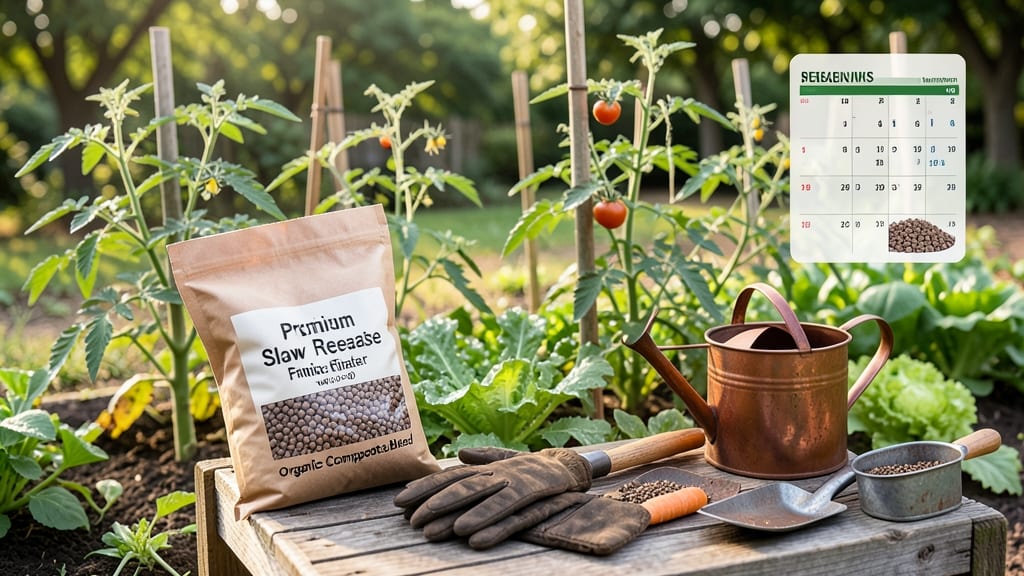
You should fertilize your garden when plants are actively growing—not just when the bag says "spring" or "summer."
Timing your garden fertilization isn't just about throwing down nutrients—it’s about syncing with your plants' natural growth cycles to maximize yields and avoid wasted effort. Get the schedule wrong, and you could starve your tomatoes or overwhelm your roses.
In Zone 6a, the key is feeding your 🌱 garden in early spring (March–April) to kickstart growth, then again in late spring (May) and early summer (June) to support flowering and fruiting.
Fall is for light feedings to prep for dormancy, while winter is a hands-off season unless you’re growing evergreens.
Below, I break down the exact seasonal triggers, plant-by-plant tips, and how to tell if your soil is begging for a boost—or if you’re overdoing it.
Best fertilization schedule by plant life cycle stage
Understanding your plants' growth stages is the secret to efficient fertilization. Each phase—from seedling to dormancy—has unique nutrient needs. For example, tomatoes need phosphorus during flowering but potassium when fruiting. Let’s break down the best times to fertilize based on these critical stages.
Fertilizing at the wrong time can cause nutrient burn or stunted growth. For instance, feeding roses too early in spring can lead to weak stems. Instead, wait until new growth appears. This approach ensures nutrients are used efficiently, promoting healthier plants and better yields.
Here’s how to align your fertilization schedule with your plants’ natural cycles:
| Stage | When to Fertilize | Nutrient Focus | Plant Examples |
|---|---|---|---|
| Seedling | At planting, then 2-3 weeks later | Nitrogen (N) for roots | Tomatoes, Basil, Marigolds |
| Vegetative | Every 4-6 weeks | Balanced N-P-K (10-10-10) | Peppers, Zucchini, Sunflowers |
| Flowering | When buds form | Phosphorus (P) for blooms | Roses, Petunias, Lavender |
| Fruiting | During harvest season | Potassium (K) for fruit | Strawberries, Tomatoes, Blueberries |
| Dormancy | Avoid fertilizing | None (rest period) | Perennials, Trees, Bulbs |
For vegetables like tomatoes, focus on potassium-rich fertilizers during fruiting to boost flavor and disease resistance. A balanced 5-10-10 fertilizer works well, but switch to a higher potassium blend (e.g., 0-0-50) as fruits develop. This shift prevents blossom-end rot and improves yield quality.
When it comes to flowers like roses, timing is everything. Apply a phosphorus-heavy fertilizer (e.g., 5-10-5) when buds form to encourage vibrant blooms. Avoid heavy nitrogen after flowering, as it promotes leafy growth over flowers. Instead, use a low-nitrogen, high-potassium blend to extend bloom time.
Perennials like lavender and salvia thrive with minimal fertilization. A light application of compost or organic fertilizer in early spring is often enough. These plants prefer lean soil, so over-fertilizing can lead to weak stems and fewer flowers. Focus on mulching to retain moisture and nutrients naturally.
For fruit-bearing plants, such as blueberries and raspberries, acid-loving varieties need consistent feeding. Use an acidic fertilizer (e.g., cottonseed meal) in early spring and again after harvest. These plants benefit from monthly soil tests to monitor pH levels, which should stay between 4.5 and 5.5 for optimal growth.
If you’re growing herbs like basil, avoid heavy fertilization. Basil prefers well-draining soil with moderate nutrients. Over-fertilizing can cause bitter leaves. Instead, use a light-handed approach with compost tea or a diluted fish emulsion every 4-6 weeks during the growing season.
Finally, dormant plants like bulbs (e.g., tulips, daffodils) and deciduous trees don’t need fertilization during winter. Focus on soil preparation in fall by adding compost or organic matter. This ensures nutrients are available when growth resumes in spring, giving your plants a strong start.
By syncing your fertilization schedule with your plants’ life cycle stages, you’ll see healthier growth, better yields, and longer blooms. Start with the right nutrients at the right time, and your garden will thrive all season long. 🌱🌿
Seasonal fertilization triggers: what your garden tells you
Your garden doesn’t just need fertilizer—it asks for it, if you know what to look for. Yellowing leaves, stunted growth, or soil that crumbles like dust aren’t just random problems; they’re seasonal signals telling you when to feed your plants.
Ignore them, and you’ll waste nutrients or stress your garden with overfeeding. The key? Learning to read these cues alongside climate shifts and plant life cycles.
Take spring’s first warm days as your first trigger. When soil temperature hits 50°F (10°C) and your daffodils bloom, it’s time to wake up your soil with a balanced fertilizer (like 10-10-10).
This jumpstarts root growth for cool-season crops like lettuce and peas, which are already hungry for nutrients after winter. But wait—if your tomatoes or peppers, hold off! Fertilizing too early can burn tender seedlings.
🌱 When Should You Fertilize Your Garden?
- 🌿 Early Spring: When soil warms to 50°F (10°C) and perennials show new growth (e.g., roses or daylilies). Use a low-nitrogen fertilizer to avoid leafy overgrowth.
- 🌞 Late Spring/Early Summer: After first harvests (e.g., radishes or spinach) or when vegetables flower (like tomatoes). Switch to a higher-phosphorus feed (e.g., 5-10-10) for fruiting.
- ☀️ Mid-Summer: If leaves yellow between veins (a magnesium deficiency) or growth slows despite heat. Apply a liquid fertilizer every 4 weeks to sustain heavy feeders like corn or squash.
- 🍂 Early Fall: When daylength shortens and perennials start storing energy (e.g., chrysanthemums budding). Use a low-potassium feed (e.g., 5-5-10) to harden off plants for winter.
- ❄️ Late Fall/Winter: Never fertilize dormant plants. Instead, top-dress with compost to replenish soil for next year’s growth.
💡 Pro Tip: Test soil pH before fertilizing—acid-loving plants (like blueberries) need lower pH, while vegetables thrive at 6.0–7.0.
Summer’s heat can trick you into thinking your garden is thriving—until you notice wilting leaves even after watering. This often means nutrient burn from over-fertilizing or soil exhaustion. If your zucchini vines produce tiny, bitter fruit, it’s a sign they need more potassium.
Wait until after harvest to refeed, or use a foliar spray to bypass root stress. For flowers like marigolds, watch for bud drop—a classic sign of phosphorus deficiency.
Fall is your last chance to prep for winter. If your perennials (like lavender) still look lush but growth stalls, a light fertilizer in September can boost root reserves.
But skip it if leaves yellow and crisp—this is nature’s way of telling you to stop feeding and let plants dormantize. Mulch instead with leaf mold to protect roots and slowly release nutrients.
Winter is the only season where your garden explicitly tells you to stop. Dormant plants won’t use fertilizer, and cold soil can’t break it down. Instead, focus on soil health: spread compost or cover crops like clover to feed the soil naturally.
By March, you’ll have a nutrient-rich canvas ready for spring planting—no guesswork needed.
Listen to your garden, and fertilization will feel like a conversation, not a chore. Start with these seasonal triggers, and you’ll grow healthier plants with half the effort—and zero wasted fertilizer. 🌱