Planting
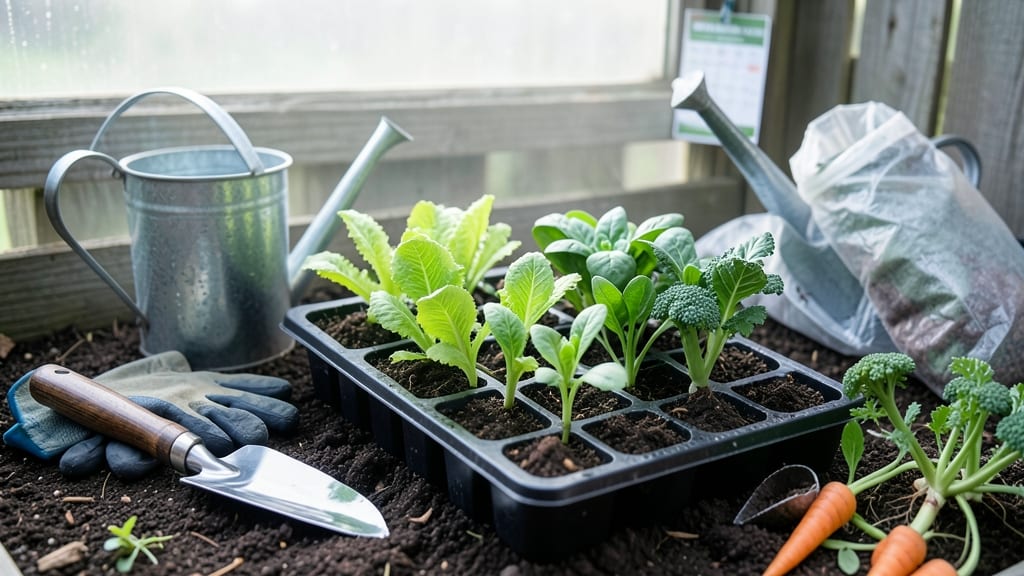
Planting a garden in Michigan after the last frost is the key to avoiding wasted seeds and stunted crops—and your county’s exact date can vary by two weeks or more.
Michigan gardeners know timing is everything—plant too early and frost will wipe out your hard work, but wait too long and you’ll miss peak harvests.
Understanding your county’s last-frost dates and hardiness zone is the secret to a thriving 🌱 Vegetable Garden, whether you’re growing tomatoes, perennials, or cold-hardy greens.
From Detroit’s Zone 6b to the Upper Peninsula’s Zone 5b, frost-free windows shift dramatically. In this guide, we’ll break down the perfect planting windows for your region, plus pro tips to stretch your season without risking damage.
You’ll learn how to read frost maps, choose the right crops for your zone, and even push your garden’s limits with simple tools like row covers—so you can enjoy fresh veggies from June to October.
Michigan last-frost dates by county: exact planting windows for vegetables & flowers
Michigan’s last-frost dates vary dramatically from the Thumb Region to the Upper Peninsula, creating a 4-6 week difference in planting windows.
Knowing your county’s average last spring frost and first fall frost ensures you plant warm-season crops like tomatoes at the perfect time and cool-season crops like spinach before summer heat arrives. Below, I’ve broken down the data by region, including specific planting windows for your favorite vegetables and flowers.
For quick reference, use this interactive frost map from Michigan State University’s Garden Hotline (link opens in new tab). Hover over your county to see exact historical frost dates from the past 30 years.
My recommendations below are based on 30-year averages, but always check for real-time alerts from your local National Weather Service station before planting frost-sensitive crops.
| County | Last Spring Frost (Avg.) | First Fall Frost (Avg.) | Warm-Season Planting Window | Cool-Season Planting Window |
|---|---|---|---|---|
| Wayne (Detroit) | April 25 | October 20 | May 15 - June 15 | March 15 - April 15 (spring) / Aug 1 - Sept 15 (fall) |
| Oakland (Pontiac) | April 20 | October 15 | May 10 - June 10 | March 10 - April 10 (spring) / Aug 1 - Sept 10 (fall) |
| Genesee (Flint) | April 28 | October 10 | May 15 - June 10 | March 20 - April 15 (spring) / Aug 1 - Sept 5 (fall) |
| Kalamazoo | May 5 | October 5 | May 20 - June 5 | March 25 - April 20 (spring) / Aug 5 - Aug 30 (fall) |
| Traverse City (Grand Traverse) | May 15 | September 25 | June 1 - June 15 | April 1 - April 25 (spring) / July 15 - Aug 10 (fall) |
| Marquette (Upper Peninsula) | May 25 | September 15 | June 10 - June 25 | April 15 - May 1 (spring) / July 1 - July 20 (fall) |
| Houghton (Keweenaw Peninsula) | June 5 | September 10 | June 20 - July 5 | May 1 - May 15 (spring) / July 1 - July 15 (fall) |
*Dates based on 30-year averages. Always verify with local weather forecasts before planting frost-sensitive crops.
In southern Michigan (like Wayne and Oakland counties), you can plant warm-season crops like tomatoes and peppers as early as May 10-15, but in the Upper Peninsula, wait until June 10-20 to avoid frost damage.
For cool-season crops like spinach, peas, and lettuce, southern counties can start as early as March 15, while northern regions should wait until April 15 to avoid late frosts.
Pro tip: Use row covers or cold frames to extend your planting window by 2-3 weeks in both spring and fall. For example, in Traverse City, I’ve successfully planted basil under row covers on May 1, a full week before the average last frost.
Always monitor soil temperatures—most warm-season crops need soil at 60°F or warmer to thrive.
For flowers, timing matters too. Annuals like marigolds can handle cooler temps and can be planted 2-3 weeks before your last frost, while tender perennials like lavender should wait until after the last frost date. Bulbs like tulips can be planted in fall (September-October
How Michigan’s plant hardiness zones (5b-6b) affect your garden’s success
Michigan’s USDA plant hardiness zones 5b and 6b create dramatic differences in what thrives in your garden. Zone 6b (southern Michigan) enjoys 10-15 extra frost-free days compared to Zone 5b (northern Michigan), which means earlier plantings and longer growing seasons.
This shift can mean the difference between a bumper crop of tomatoes and struggling seedlings. Understanding these zones helps you choose cold-hardy varieties for Zone 5b and heat-tolerant plants for Zone 6b.
Zone 5b gardeners in areas like Traverse City or Marquette face earlier spring frosts and shorter summers, requiring careful selection of fast-maturing vegetables and protective measures like row covers.
Meanwhile, Zone 6b gardeners in Detroit or Kalamazoo can push the limits with earlier plantings of warm-season crops like peppers and basil. The right plant choices in each zone maximize your garden’s potential while minimizing frost-related stress.
Zone 5b vs. Zone 6b isn’t just about timing—it’s about plant resilience. For example, tomatoes in Zone 6b can often be planted by late April or early May, while Zone 5b gardeners may need to wait until mid-May or use row covers. Similarly, perennials like lavender thrive in Zone 6b’s milder winters, while Zone 5b gardeners might need to mulch heavily or choose hardier varieties.
| Factor | Zone 5b (Northern MI) | Zone 6b (Southern MI) |
|---|---|---|
| Last Frost Date | Mid-May | Early May |
| First Frost Date | Late September | Mid-October |
| Tomato Planting Window | Mid-May (or use row covers) | Late April-Early May |
| Peppers & Basil | Wait until June 1 | Plant by May 15 |
| Cold-Hardy Greens | Spinach, peas (plant in March) | Spinach, peas (plant in late February) |
| Perennials (Lavender, Roses) | Choose hardy varieties | More variety options |
| Extended Season Tip | Row covers, cold frames | Earlier starts, longer harvests |
In Zone 5b, cool-season crops like lettuce and spinach can often be planted as early as March or early April, while Zone 6b gardeners might even start indoor seedlings in February for a head start.
For warm-season crops like cucumbers and squash, Zone 6b’s longer season allows for two plantings per year, while Zone 5b gardeners may only get one successful harvest. Pay attention to soil temperature—most warm-season crops need soil at 60°F or warmer to thrive.
Another key difference is overwintering plants. Zone 6b’s milder winters let gardeners leave hardy perennials like asparagus and rhubarb in the ground, while Zone 5b gardeners may need to mulch heavily or use frost blankets to protect tender roots.
Even herbs like rosemary can survive outdoors in Zone 6b, while Zone 5b gardeners might need to container-grow them or bring them indoors for winter.
Knowing your zone isn’t just about avoiding frost—it’s about maximizing your garden’s potential. Whether you’re in Zone 5b’s shorter season or Zone 6b’s extended growing period, the right plant choices and timing will give you bigger harvests and healthier plants.
Start by checking your local last-frost dates, then match your plant selections to your zone’s strengths. With the right approach, even Michigan’s chilly climate can yield a garden bursting with life! 🌱